Nearly 2,000 non-EU doctors to benefit from work permit change 
Nearly 2,000 non-EU doctors to benefit from work permit change 

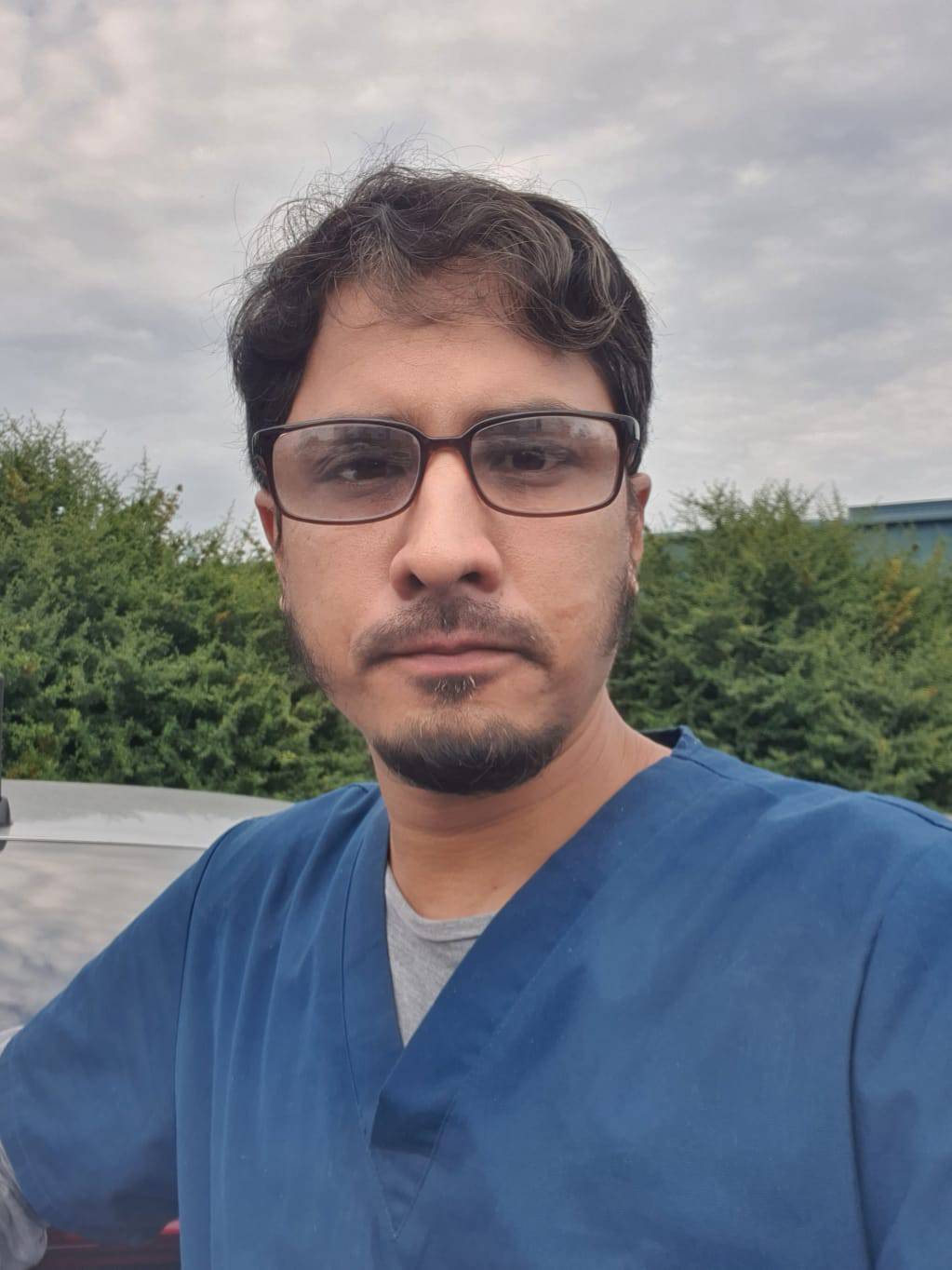
Dr Liqa Ur Rehman founder of TrainUs4Ireland advocate for migrant doctors. Picture: File photo

Almost 2,000 doctors from outside the EU working in Ireland will benefit from changes to immigration policy around work permits which has been welcomed as a "reward for work during the pandemic."

The move, announced on Tuesday by Health Minister Stephen Donnelly, means doctors who have worked in Ireland for more than two years on temporary general employment permits can immediately apply for a Stamp 4 permit.

This is a pathway towards residency and citizenship, but until now the wait time to apply was five years. Doctors’ spouses will also have the right to work - giving families greater financial security.

This is a “milestone towards equality”, said Dr Liqa Ur Rehman, senior paediatric registrar and founder of TrainUs4Ireland.

“People are calling me and saying this immigration policy feels like a reward for their work during the pandemic,” he said. 

A hurdle that has been preventing international doctors and their families to make Ireland home has finally been struck out.

Renewal of general employment permits has also been changed from every six months to annually.

Dr Liqa Ur Rehman said this gives greater stability around where to live and has an immediate financial impact as visas for each family member cost €300.

Ireland can now hire “the best international doctors” he said, which can only benefit hospitals and patients as well. 

The health minister publicly thanked the doctors for their work during the pandemic.

“I've met with non-EU doctors, who shared their frustration with our migration system, in recent weeks and months. Today, we are announcing some significant changes that will provide much faster access to Stamp 4 permits,” he said.

Fine Gael health spokesperson Colm Burke said the changes are also positive for the HSE with 1,800 doctors estimated to benefit. These doctors made an enormous contribution to our health system, especially over the last two years, he said.

“It will also make it easier for them to get on specialist training schemes and subsequently apply for consultant posts. This would provide non-EEA doctors with more of an incentive to stay here long-term with their families and lead to a better retention of medical staff working within the health service,” he said.

The Medical Council and Irish Medical Organisation have previously publicly criticised these hurdles to employment. 

More in this section

Lunchtime News

Newsletter

Keep up with stories of the day with our lunchtime news wrap and important breaking news alerts.

Cookie Policy Privacy Policy Brand Safety FAQ Help Contact Us Terms and Conditions

© Examiner Echo Group Limited