New codes of practice to tackle pay inequality and workplace harassment can be used in court
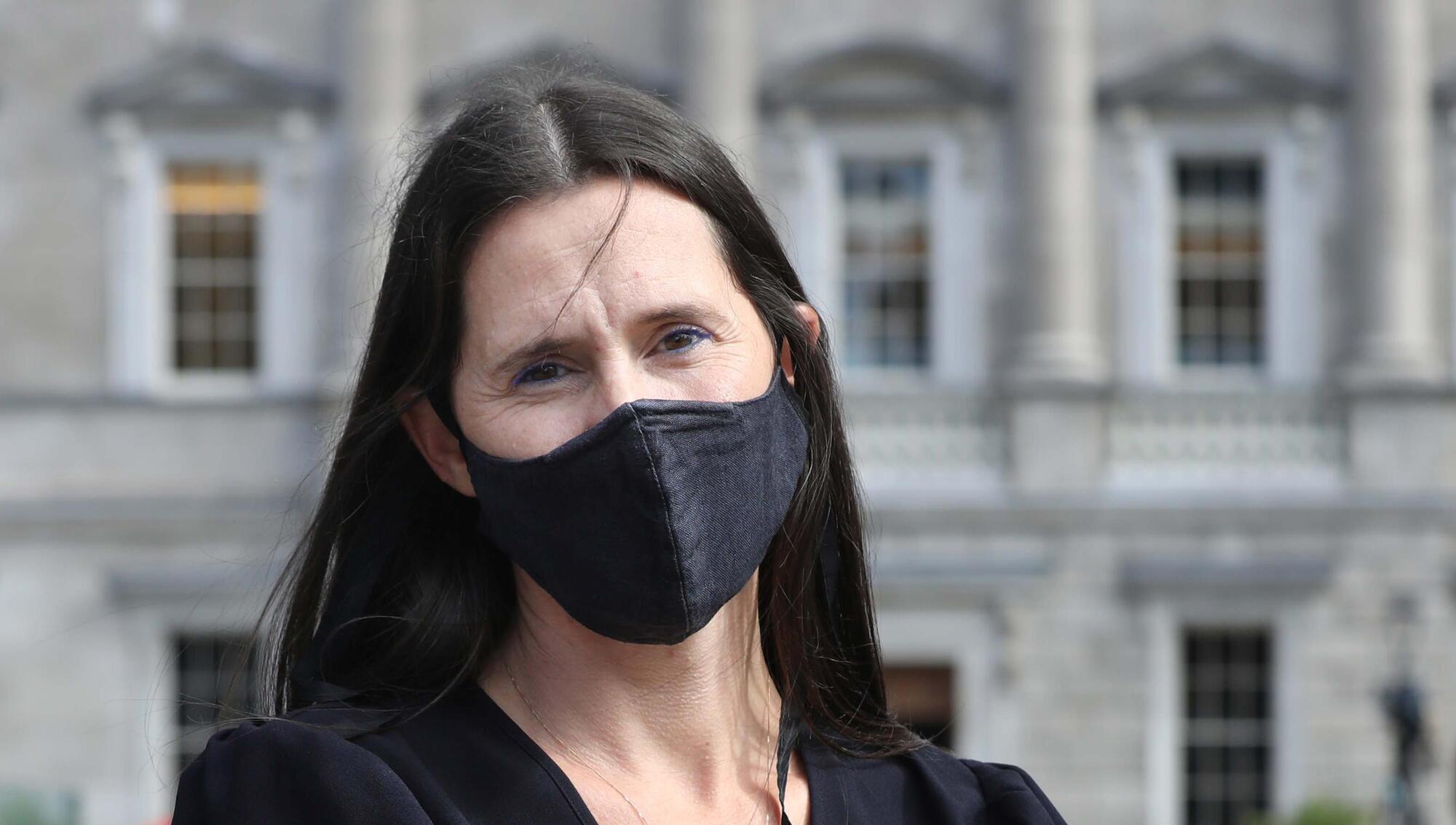
Sinéad Gibney, chief commissioner of the Irish Human Rights and Equality Commission: 'While not all pay disparity is gender-based, it’s important around International Woman’s Day to spotlight unequal pay for women in particular.' File picture: Leah Farrell/RollingNews.ie
New codes of practice to tackle pay inequality and workplace harassment can be invoked in the courts in labour disputes, according to the country's human rights watchdog.
The Irish Human Rights and Equality Commission (IHREC) will publish the codes on Wednesday. The Code of Practice on Equal Pay provides employers, trade unions and employees with practical guidance on the right to equal pay, how to eliminate pay inequality, and how to resolve pay disputes.Â
The Code of Practice on Sexual Harassment and Harassment at Work sets out what is meant by employment-related sexual harassment and harassment, how it can be prevented, and the necessary steps to ensure organisations are ready to deal with it and stop it from happening again.
As a statutory instrument has been tabled by Equality Minister Roderic O’Gorman, the new codes will be legally admissible in evidence in proceedings before the courts, the Workplace Relations Commission and the Labour Court.
IHREC has also been provided with new legal powers to tackle gender pay gaps in organisations through The Gender Pay Gap Information Act 2021.
Signed into law by the president last July but yet to be commenced, it will require organisations with more than 250 employers to report and publish information relating to their gender pay gap, and, where there is a gap, to explain why there is a gap and what measures are being taken to reduce it.
Reporting by organisations is expected to commence this year, IHREC said.
The new Code on Sexual Harassment and Harassment at Work outlines how people in precarious work and new workers, including immigrant workers, are particularly vulnerable to sexual harassment and harassment and sets out policies and procedures to help establish work environments free of harassment.
Sinéad Gibney, chief commissioner of the Irish Human Rights and Equality Commission, said: “In no circumstances is harassment or sexual harassment at work acceptable. It violates a person’s dignity as well as creating an intimidating, degrading and humiliating environment.
“While not all pay disparity is gender-based, it’s important around International Woman’s Day to spotlight unequal pay for women in particular, which sees women’s work and contributions undervalued, belittled and overlooked.
Mr O'Gorman said: "While not exclusively a gender-based issue, it is fitting that these measures tackling pay disparity, and harassment and sexual harassment should be introduced on the week of International Women’s Day given that these issues can have a disproportionate impact on female members of the workforce.Â
"These new codes of practice are a welcome addition to the suite of legislative and policy measures that have been introduced in recent years to advance gender equality."
The two codes can be viewed here.