Explainer: What will sanctions mean for Russia — and for Europe?
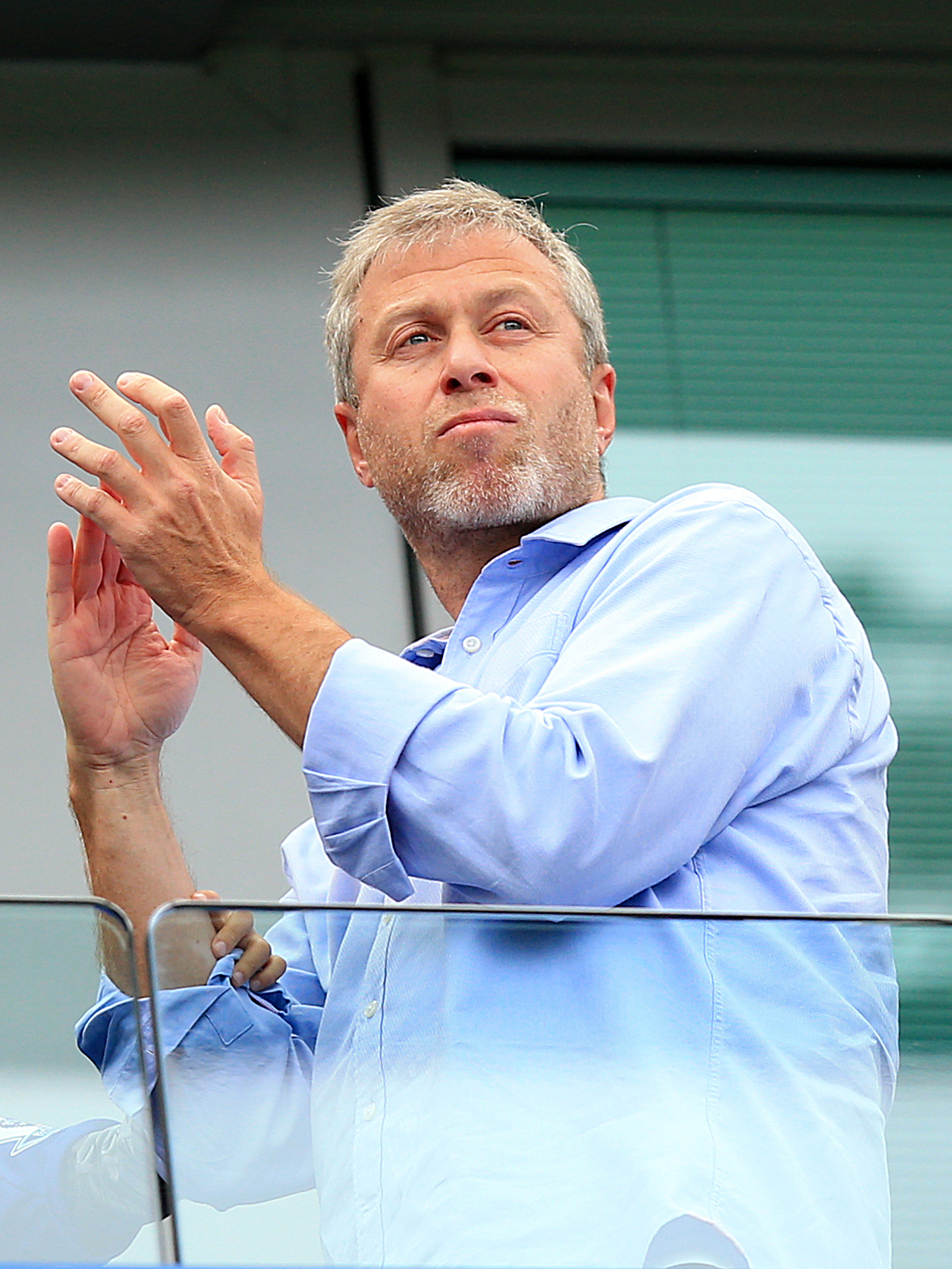
‘Londongrad’ has long been seen as a haven for Russian oligarchs friendly to Vladimir Putin such as Chelsea Football Club owner Roman Abramovich. File picture
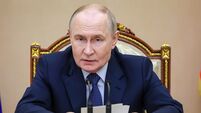
Following Russia’s invasion of Ukraine, the US and its Western allies will announce significant sanctions directed at president Vladimir Putin’s allies and Russia’s financial system.
Individual targets include the Russian defence minister, the chiefs of the Russian air force and the Black Sea fleet, 351 members of the Russian state duma who voted to recognise the independence of the contested south-eastern regions of Donetsk and Luhansk, along with organisations linked to the Russian defence and financial sector.
Nord Stream 2, the new €9.8bn gas pipeline running from Russia to Germany, was awaiting certification from German regulators, but German chancellor Olaf Sholz has now halted that process. Without certification, it cannot open and operate.
British prime minister Boris Johnson has promised that allied sanctions will ultimately "hobble the Russian economy" and called for an end to dependence on Russian oil and gas.
UK sanctions will strain wealthy Russians based in Britain for many years. ‘Londongrad’ has long been seen as a haven for Russian oligarchs friendly to Mr Putin such as Chelsea Football Club owner Roman Abramovich.
A number of associates of Mr Putin are significant donors to the Conservative Party and are renowned for their luxurious homes and lavish parties attended by the cream of British society. Their children attend top schools and universities and hobnob with minor royalty.
A cottage industry has grown up of legal, property, and public relations firms servicing these individuals' requirements; however, new legislation will see severe curtailments, including blocked entry or re-entry to the UK, asset freezes, and a ban on British individuals or businesses from transacting with named individuals.
EU leaders are holding an emergency summit on Thursday evening to finalise wideranging sanctions that are expected to outstrip those of both the UK and US.
They are expected to make it impossible for certain Russian banks, financial institutions, and businesses to access EU financial services and markets or to raise capital. Russian assets within the EU will be frozen and restrictions will be placed on trade with the separatist regions of Donetsk and Luhansk.
Josep Borrell, the EU’s foreign policy head, has vowed the "harshest package of sanctions we have ever implemented".
Mr Putin, undoubtedly, expected this response from the West. Russia has amassed €562bn in foreign exchange reserves to help it ride out these sanctions, in the short term at least.
While Europe has sought to reduce its dependency on Russian energy in recent years, it still receives around 40% of its natural gas supplies from Russia. For Germany, the figure is even higher.
Europe has significantly increased its imports of liquified natural gas (LNG) in preparation. Qatar and Japan could divert LNG cargos to Europe, if needed. The mild winter has helped with the stock piles; however, a cold snap could see supplies run low by the end of March, causing severe disruption. Uneven distribution of these supplies could generate division among European countries.
Will Western solidarity hold in the face of events such as this?
- Jackie Fitzgibbon is an independent researcher and author of 'US Politics, Propaganda and the Afghan Mujahedeen'.


CONNECT WITH US TODAY



Be the first to know the latest news and updates