Crime victims want judges and lawyers to realise the 'retraumatising' effect of court
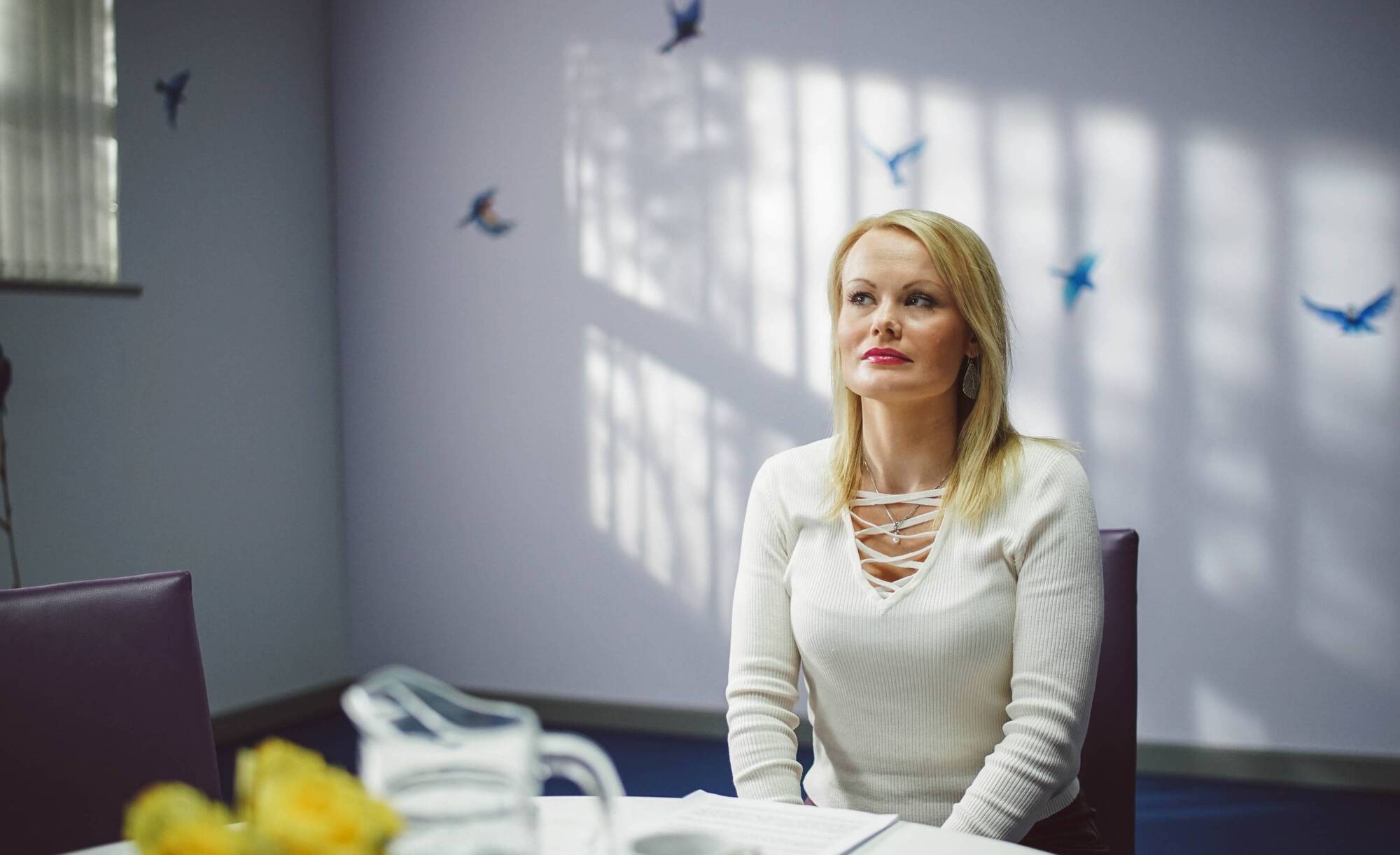
Ailbhe Griffith: Met the man who sexually assaulted her and said she felt empowered by it.
The criminal justice system needs to be transformed into a victims' justice system with judges and lawyers grasping the "retraumatising" effect of the courts process.
That is according to the survivors of crime who told a European Day for Victims of Crime conference that when a case is finalised in the courts, victims are abandoned with no one providing ongoing emotional or psychological support.
The conference, opened by Justice Minister Helen McEntee, was organised by Crime Victims Helpline, along with the Irish Tourist Assistance Service, Victims’ Rights Alliance and Victim Support at Court.
Buzz O’Neill-Maxwell, a victim of a serious assault and homophobic abuse in Dublin city centre eight years ago, said he had had a “very poor experience” from gardaí when he reported it.
The music promoter said he got fed up ringing Pearse Street Station to find out what was happening in the investigation.
Mr O'Neill-Maxwell said the assault remains “an open wound” and that he had got no closure.
He said he was never made aware by gardaí of the designated garda diversity officers who are supposed to be based in every district. The conference was told there are 331 diversity officers in place.
Mr O'Neill Maxwell said that despite his poor experience he is willing to sit down with gardaí and highlight the existence of these diversity officers.
He said the system needs to be more proactive adding that in gay clubs in London and Manchester there are names and contact details on posters of the local gay-liaison police officer.
Ailbhe Griffith was aged 21 in 2005 when she was subjected to an hour-long violent sexual assault after she got off a bus near her home.
She said two men intervened, forcing her attacker to flee. From that moment, she said she saw her attacker as a monster and was left terrified of men she encountered randomly.
She said that, unlike Mr O’Neill-Maxwell, the gardaí she dealt with were “very helpful and genuinely cared”.
Ms Griffith said her attacker pleaded guilty, thereby avoiding a trial. She was able to give a victim-impact statement and said she was happy enough with the sentence.
However, she said she was not empowered by the process, which, she said, was about the offender and the crime, not the victim.
She said she still fears the “monster” and does not feel justice had been done.
Many years later she contacted the Prison Service and the Probation Service, by which stage she had learnt about restorative justice. After lengthy preparation, she met her attacker.
She said he “looked quite sheepish” when she entered the meeting and said she realised “he’s not a monster, he’s just a man”.
She asked questions about why he did it and, while she didn’t get a rational answer, it gave her “some sort of closure”. She said they even “wished each other well in the future”.
Ms Griffith said: “It allowed me not to be afraid anymore. He didn’t want to harm me anymore. He was thinking about his future. I felt elated and empowered."
She likened it to a weight being lifted.
Now working for Restorative Justice International, she said restorative justice helped change her memory of the attack. She said it was not for everyone but should be made widely available as an additional measure.
Hazel Larkin, who was sexually abused as a child by her father and brothers and who works with victims, said that while there has been some progress over the years it is “not making its way to the DPP” in terms of prosecutions.
She said the current system is a “criminal justice system, not a victims’ justice system” and said that needs to change.
She said the adversarial trial system “retraumatises" the victim and that when a case is over, the victim is abandoned as they have served their purpose for the State as a witness.
She said that if a victim needs ongoing psychological support they have to pay for it and somehow find an appropriate psychologist, while it is at hand for the perpetrator. Ms Larkin said judges, barristers and solicitors need training on trauma and how it affects people.
*www.crimevictimshelpline.ie


CONNECT WITH US TODAY



Be the first to know the latest news and updates