Ministers who breach cooling-off period could face €25,000 fine
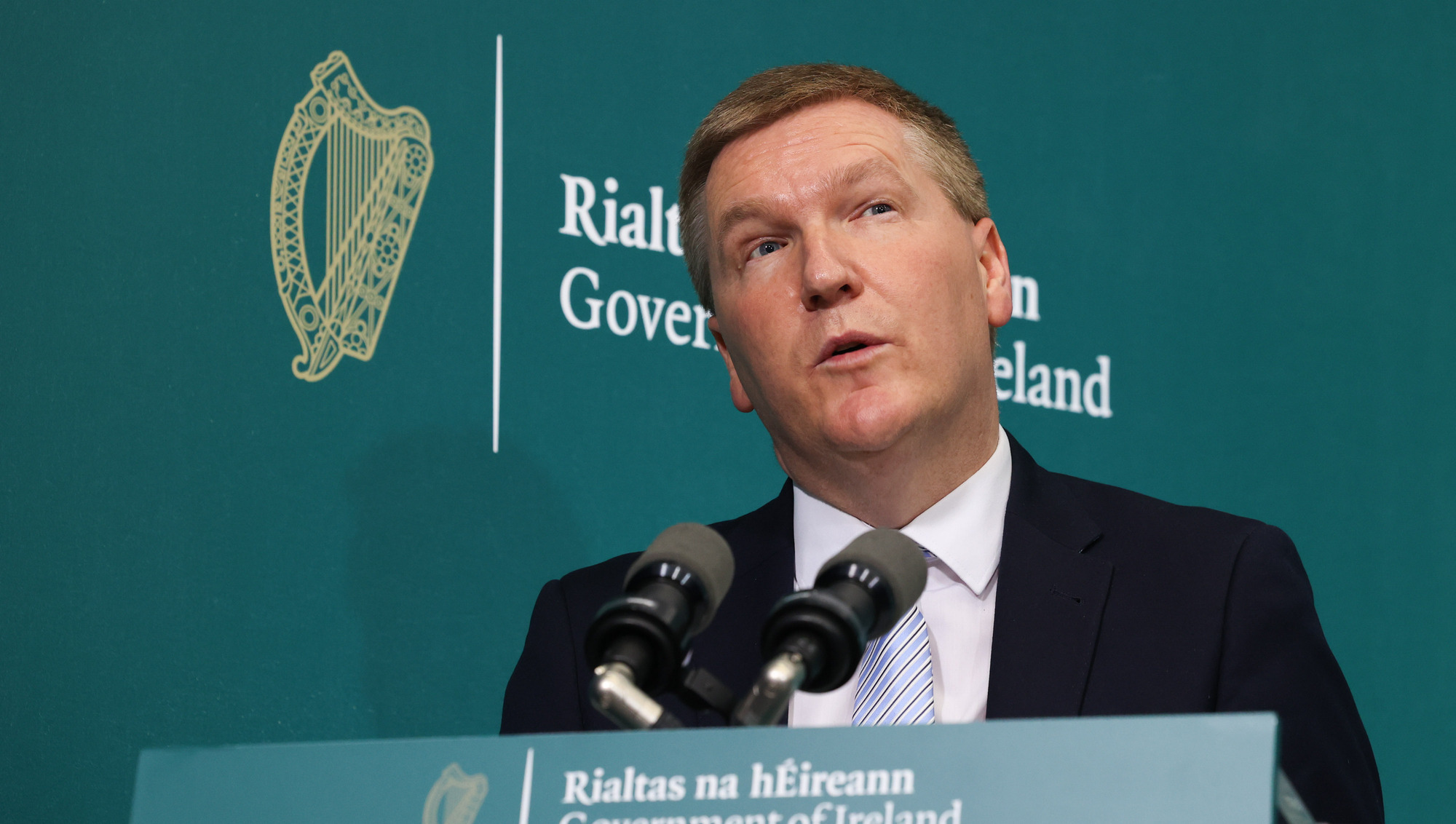
Public Expenditure Minister Michael McGrath will seek Government approval to finalise legislation to strengthen the regulation of lobbying activity.
Former ministers or senior civil servants who breach a 12-month cooling-off period face a two-year ban or a fine of €25,000, under new laws to be agreed by the Cabinet on Tuesday.
The has confirmed that Public Expenditure Minister Michael McGrath will seek Government approval to finalise legislation to strengthen the regulation of lobbying activity by former ministers, senior civil servants, and special advisers.
The move follows controversy over the appointment of Michael Darcy to the position of chief executive of the Irish Association of Investment Managers shortly after he had left office as a minister of state in the Department of Finance.
Under proposals to be considered by the Cabinet, a failure to comply with the statutory 12-month cooling-off period for lobbying activity will for the first time be a punishable offence with a monetary penalty of up to €25,000 and a prohibition from lobbying activity for up to two years.
The system of sanctions will be administered by the Standards in Public Office Commission. Mr McGrath is also proposing to make it an offence for a person to take any action with the purpose of avoiding obligations to either register or submit lobbying returns to the commission, it is understood.
Significantly, it is also expected that the legislation will bring business representative bodies or coalitions of business interests, regardless of the number of employees, within the scope of the Lobbying Act and require that members of such groups be named on lobbying returns to ensure such groups do not avoid the requirement to register.
A further provision will extend the act’s scope to include non-remunerated officeholders to capture all relevant lobbying activity.
The Cabinet will also be asked by Transport Minister Eamon Ryan to approve proposed amendments to the Road Traffic Bill to allow for varying speeds on the M50 motorway.
The introduction of different speed limits on the M50 will begin to take effect, Cabinet will be told. Under new plans for the motorway, operators will be able to better slow traffic in response to crashes, roadworks, poor weather conditions, and congestion.
Drivers will be notified of changes through new digital signs. There are to be 19 new gantries over the roadway to keep motorists informed, with a total of 386 lane control signals.
The new bill will also address the issue of driving licences for asylum seekers who are currently precluded from obtaining them. Ministers will also be asked to approve measures to regulate the use of e-scooters on roads.
This matter has been held over for a week.
The report from the Commission on the Future of Media in Ireland has been delayed again from going to the Cabinet.
It was originally expected to be presented before the end of January and is, according to government sources, still a week or two away. This bill will set out a proposed funding model for the future of the media in Ireland.
Long-awaited reforms to Ireland’s defamation laws are to be presented to the Cabinet next week. These new rules will see an end to jury trials for High Court cases.
CONNECT WITH US TODAY



Be the first to know the latest news and updates