Dublin Bay prawn, sole, and hake could vanish by 2100 due to rising temperatures
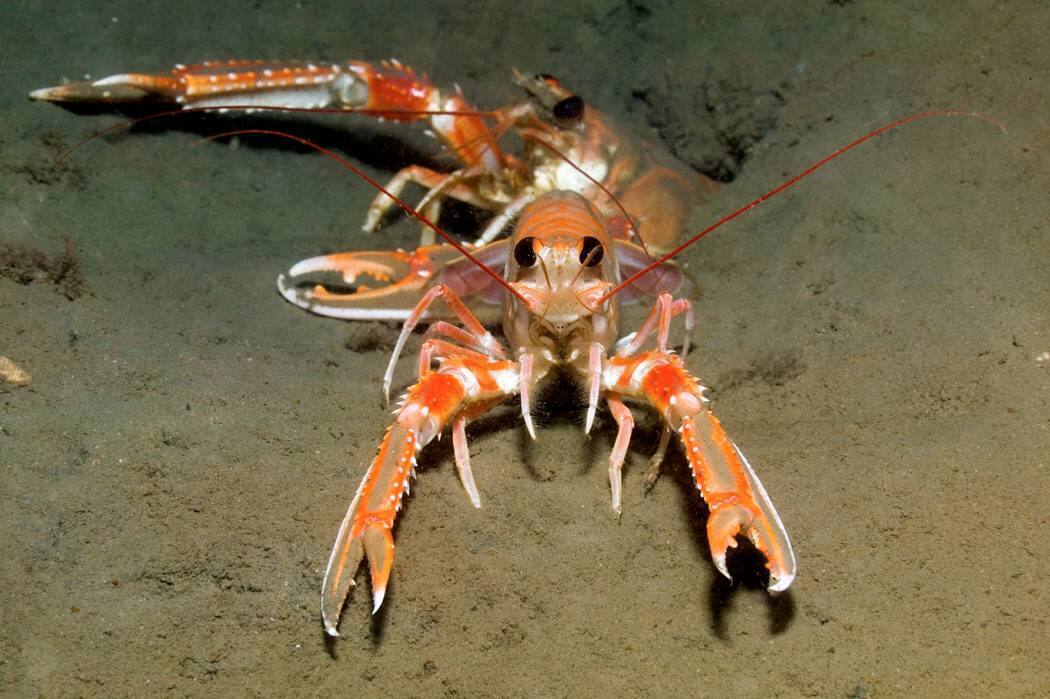
A quarter of the most fished species in Europe, including Dublin Bay prawn, will disappear by 2100, according to a new study. Picture: Paul Kay
A quarter of the most fished species in Europe, including the Dublin Bay prawn, common sole, and hake, will disappear by 2100, while delicacies such as swordfish will be inedible due to overfishing, mercury pollution, and climate change.
Those are some of the stark findings of a study from Canadian-based scientists who looked at the combined effects of rising temperatures, overfishing, and mercury pollution on marine life in EU waters.
Some 20 European fish species that have the highest average annual total catch and revenue were chosen for the University of British Columbia study.
They established what each of the 20 could tolerate in terms of temperature and applied those figures to projections of European temperatures in the coming decades under both high emission and low emission scenarios.
Study authors Ibrahim Issifu, Vicky Lam, Juan Jose Alava, and Rashid Sumaila also factored in current overfishing data, seen among environmental campaigners as a runaway problem, and levels of mercury, which can be fatal to humans and a cause of major health issues in overconsumed measures.
Temperature rises will be the death knell of the abundance of many seafood favourites such as Dublin Bay prawn, common sole, great Atlantic scallop, red mullet, and European hake, the researchers found.
Mercury level rising will lead to up to 50% increases in the likes of swordfish compared to today's levels, the projections showed, rendering them unsafe to eat and causing health problems such as reproductive issues that will diminish fish populations further.
Lead author Mr Issifu said great Atlantic scallop, red mullet, and common octopus "will be reduced to a fraction of their present size by the end of the century" if carbon emissions continue to increase at their current rate.
Co-author Ms Lam said the most overfished and exploited species are severely impacted by both climate change and high mercury concentrations, causing a "critical situation".
As well as swordfish, the likes of bluefin tuna and shark will also be under threat from mercury and overfishing, according to Dr Alava.
"A binding international agreement to reduce both carbon dioxide and mercury emissions from coal burning and fossil fuel-consuming industries and anthropogenic (human-led) activities is of paramount importance to prevent the worst outcomes from warming oceans.
"This international effort should be fostered hand in hand with the elimination of harmful fisheries subsidies to eradicate overfishing," he said.

CLIMATE & SUSTAINABILITY HUB
CONNECT WITH US TODAY



Be the first to know the latest news and updates