Department of Agriculture to highlight challenge of methane reductions
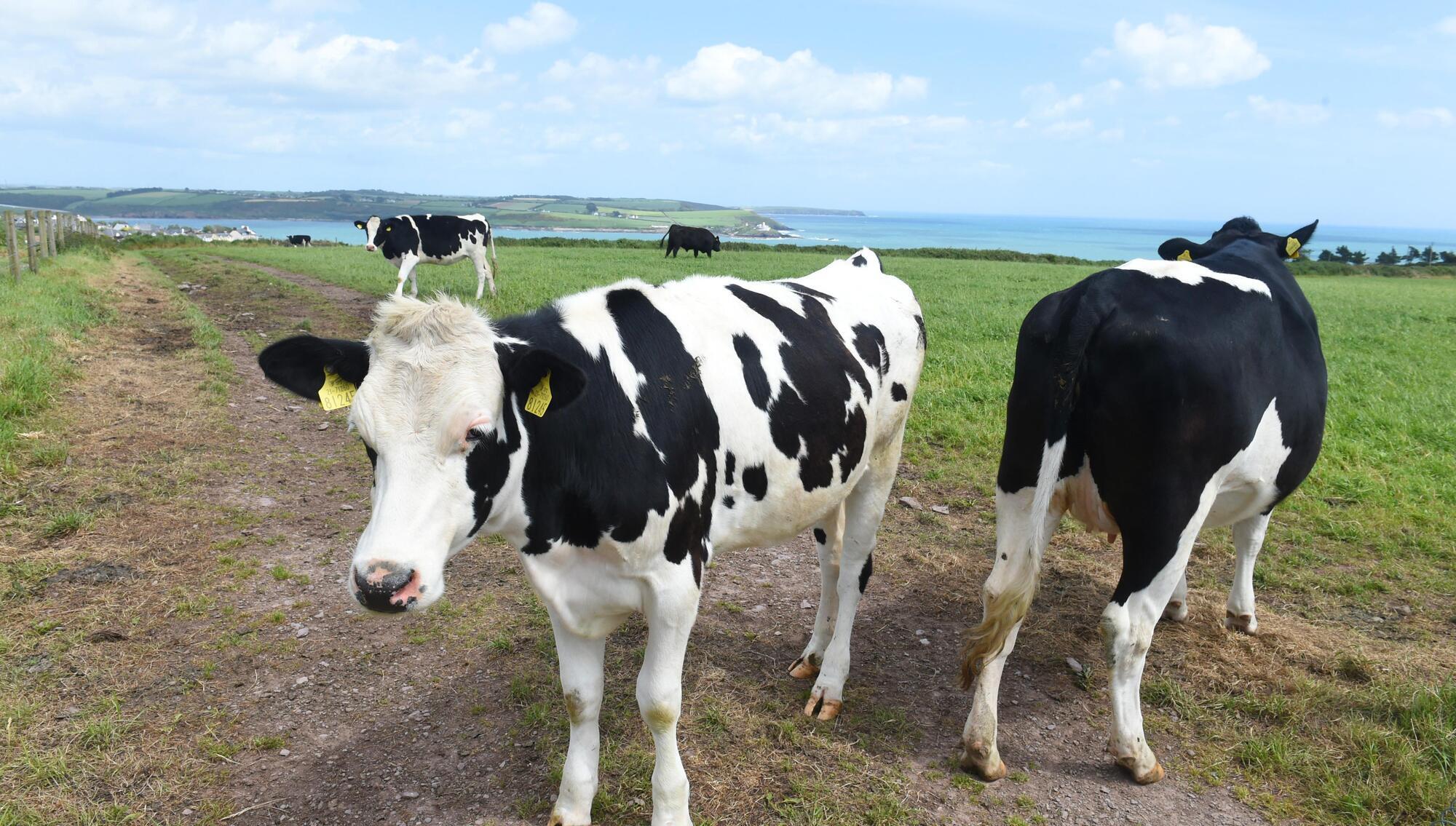
The reduction of livestock-produced methane will be a problem for the first five-year cycle of Ireland's Climate Action Plan, an Oireachtas committee will hear today. Picture: Larry Cummins
The reduction of livestock-produced methane will be a problem for the first five-year cycle of Ireland's Climate Action Plan, an Oireachtas committee will hear today.
Carbon budgets, unveiled last October, include limits for all greenhouse gases in each five-year cycle of the climate plan, allocating emissions ceilings to motorists, households, farmers, businesses, and industry.
The carbon budget for the period 2021-2025 aims to reduce emissions by 4.8% on average, annually for five years, while the second budget from 2026-2030 will look to up that annual reduction to 8.3%.
The Joint Committee on Environment and Climate Action will hear today from a host of government departments and local authority representative bodies.
Bill Callanan, chief inspector at the Department of Agriculture, will tell the committee that the first five-year budget will focus on reducing nitrous oxide emissions in agriculture, mainly associated with the use of chemical nitrogen fertiliser.
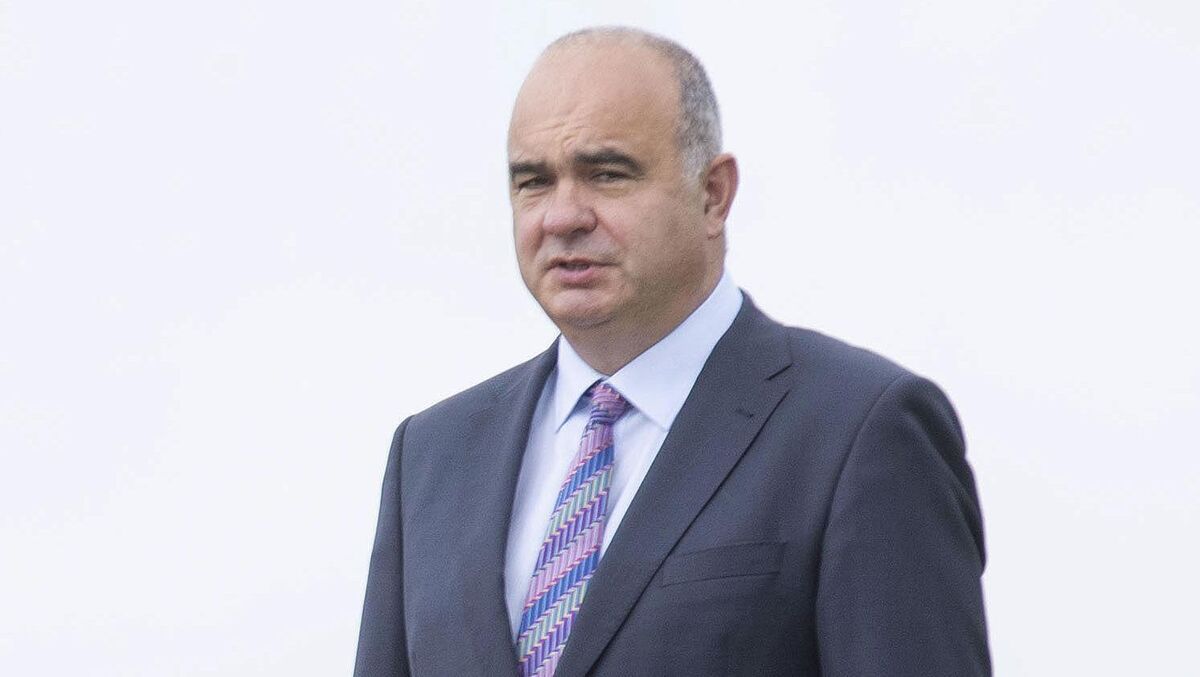
This will be done through a fertiliser register of compliance, to be developed, and reductions in chemical nitrogen allowances.
However, Mr Callanan's opening statement says that reducing methane will be more complicated.
"Progress on methane is expected to accelerate within the second five-year carbon budget as methane reducing feed additives become commercially available.
"The Department of Agriculture, Food and Marine is continuing to significantly fund and participate in international research in order to address the methane challenge from pasture-based livestock production systems."
He will add that the EU will legislate for fossil methane this year but that new technologies will be needed in the second budget.
"The challenge to reduce methane levels in Ireland is very clear, as 95% of total methane emissions arise within the agriculture sector where abatement potential is limited.
"There are significant challenges around the reduction of methane within our pasture-based livestock production system and we welcome the fact that the second 5-year carbon budget is aligned with the current technology constraints in this regard."
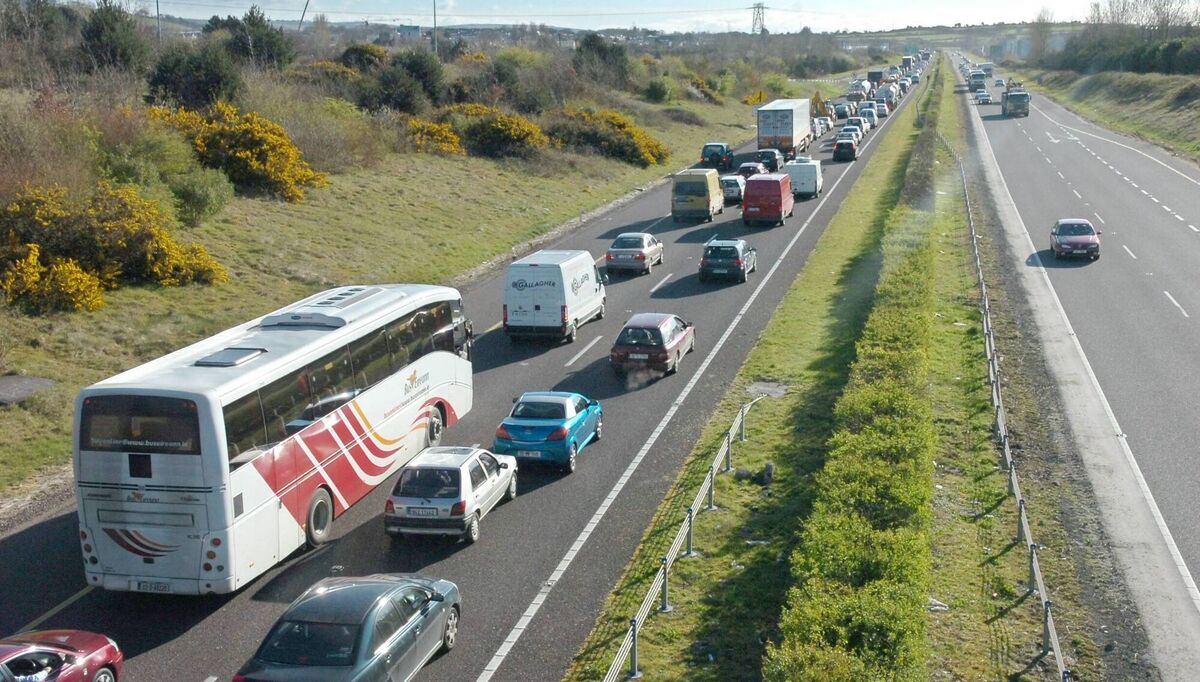
In its statement, the Department of Transport will outline goals for a "shift to sustainable mobility" which it says "will be achieved through a significant increase in public transport and active travel infrastructure".
It will say that the elimination of fossil fuel cars is "ambitious and necessary".
In this regard we are leading the way with public sector fleets and providing supports for private car users to make the switch. There are acknowledged challenges on this journey but the destination is clear."
CLIMATE & SUSTAINABILITY HUB
CONNECT WITH US TODAY



Be the first to know the latest news and updates