Trinity's head of sport loses Labour Court wage equality appeal
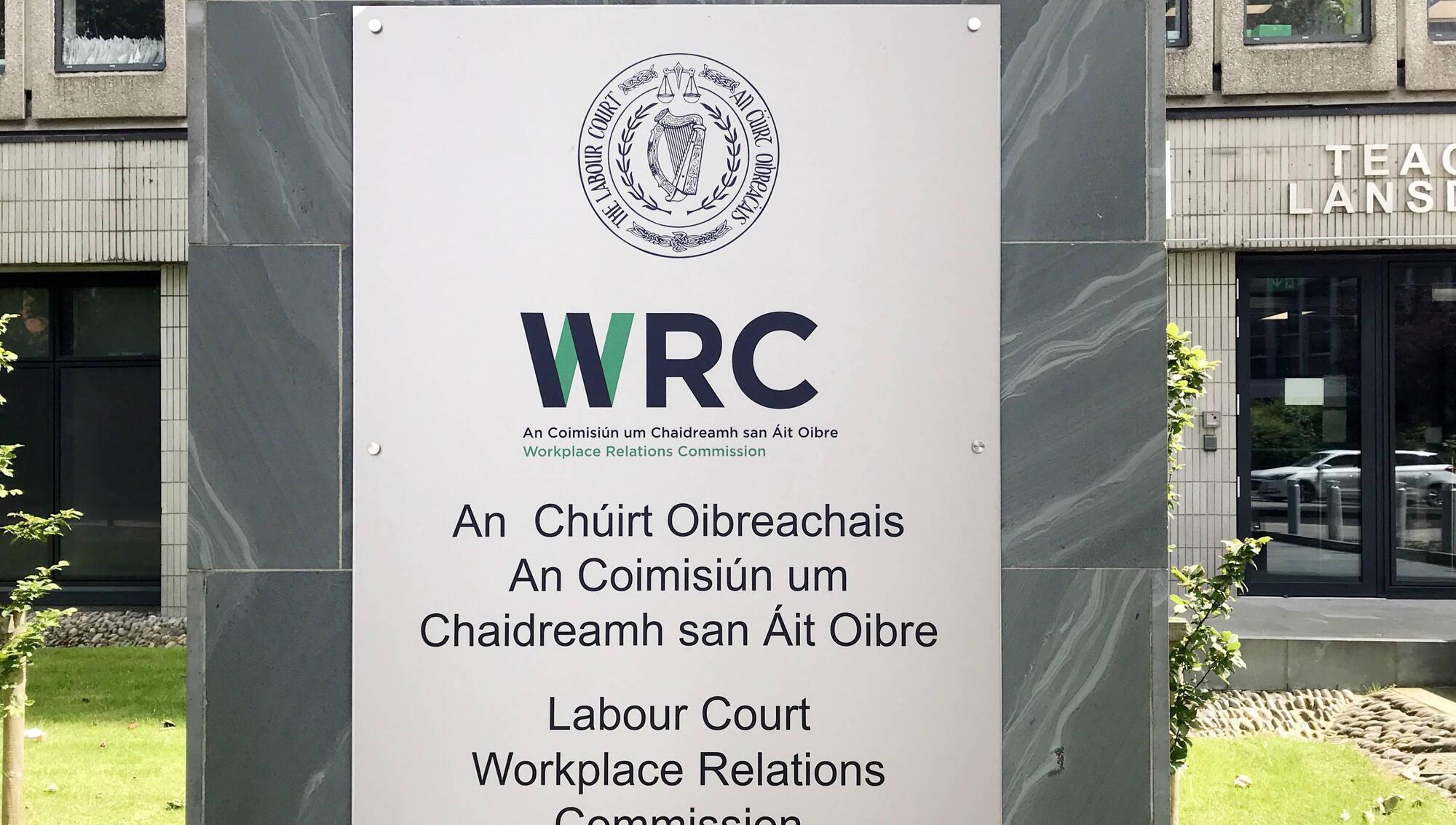
The Labour Court, which heard the appeal last month, has upheld a decision in March 2020 by the WRC that Michelle Tanner's claim was 'out of time'. Picture: Eamonn Farrell / RollingNews.ie
Trinity College's head of sport has lost her appeal against a Workplace Relations Commission adjudication on her claim to be paid the same wage as her male predecessor.
The Labour Court, which heard the appeal last month, has upheld a decision in March 2020 by the WRC that Michelle Tanner's claim was "out of time".
The court heard Ms Tanner, a former international volleyball player for Ireland, is employed by Trinity College as head of sport and recreation and was appointed to this position in December 2009 following the retirement of Terence McAuley, who held the post of director of sports and recreation.
He retired under the terms of an incentivised scheme for early retirement then in place in the public sector, and his post was then phased out.
In its place, a new position at a lower grade and a lower salary was created and subsequently offered to Ms Tanner, who accepted the post on what was at the time her existing salary.
After an application for promotion failed in 2018, she then referred a complaint to the Workplace Relations Commission under section 13 of the Industrial Relations Act 1969.
Trinity College objected to an investigation of that matter on the basis that the issue of promotions was dealt with collectively and was, at that time, subject to discussions with the trade unions.
Ms Tanner duly submitted an equal pay claim to the Workplace Relations Commission on May 27, 2019.
Her chosen comparator for the purpose of the claim is her predecessor, Mr McAuley, but the adjudication officer held her complaint was out of time.
Trinity College maintained the Labour Court should decline jurisdiction to hear Ms Tanner's subsequent appeal because Ms Tanner had referred her originating equal pay claim to the Workplace Relations Commission outside the statutory time limit for doing so.
The Labour Court said in its finding that the Employment Equality Act 1998 states a worker is entitled to the same rate of pay for the work they are employed to do as another worker who, at that or any other “relevant time”, is employed to do like work by the same or an associated employer.
However, the court pointed out, “relevant time” is any time during three years which precede or three years which follow the particular time.
The Labour Court stated: "[Ms Tanner's] chosen comparator [Terence McAuley] has not worked for [Trinity College] since late 2009.
"It follows that the comparator has not been employed during the ‘relevant time’ specified in the act.
"Therefore, the complaint is significantly outside the time limit for an equal pay claim specified in the act.
"For the foregoing reasons the court finds that the appeal fails.
"The decision of the adjudication officer is upheld."
CONNECT WITH US TODAY



Be the first to know the latest news and updates