Families 'shocked' at lack of communication from hospitals during pandemic
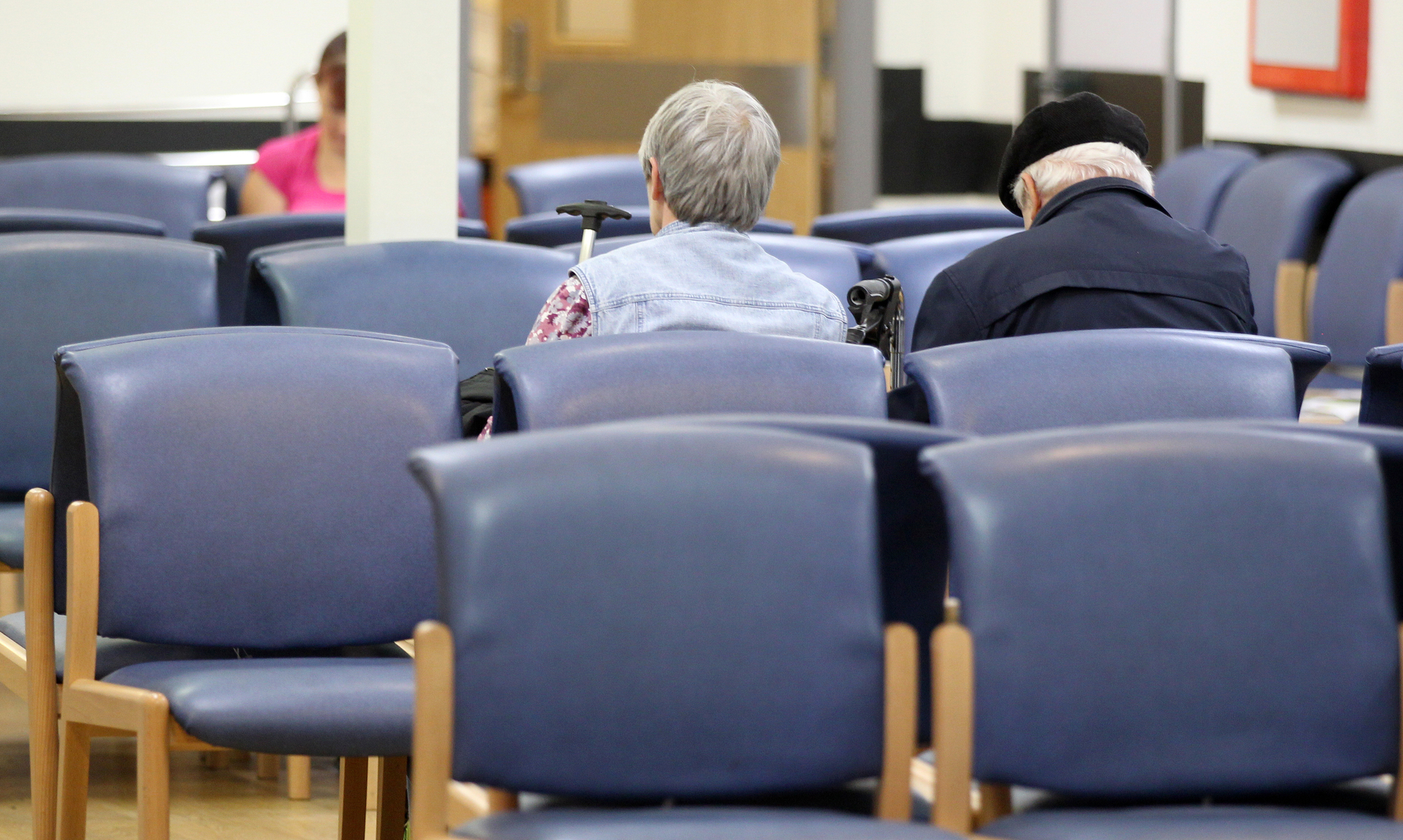
"Families said they were calling the hospital repeatedly to get an update on their loved one; however, calls were rarely answered, or they would be placed on hold and the calls would be cut off," the Patient Advocacy Service report said.
Some families were unaware of how ill their loved ones were in hospital during the Covid-19 pandemic, and in some cases shocked to learn they were dying, a report has found.
Almost 40% of people who contacted the Patient Advocacy Service during the pandemic had difficulty communicating with healthcare units in hospitals.

New reports from the Patient Advocacy Service and the National Advocacy Service for People with Disabilities have highlighted the difficulties faced by some people during the course of the pandemic, which also included instances of perceived delayed or inappropriate discharge from acute hospitals.
"Families said they were calling the hospital repeatedly to get an update on their loved one; however, calls were rarely answered, or they would be placed on hold and the calls would be cut off. This caused acute distress for the person in hospital and their family as they were also unable to visit their loved ones due to the pandemic," the Patient Advocacy Service report said.
Some patients felt they were being discharged before they felt they were ready to go home.Â
"Of the cases impacted by Covid-19, in 9% of these people felt they were discharged without sufficient examination," it said, adding that other people reported presenting for psychiatric services to the hospital and being discharged alone without communicating with their family.
Others believed their anxieties and worries were not addressed by hospital staff.
"NAS statistics show that mental health has been the biggest single emerging issue for people with disabilities receiving the Service’s support during the Covid-19 pandemic. For the period March 2020 – March 2021, mental health and wellbeing accounted for 13.96% of the emerging issues dealt with by NAS," it said.
A second report, , found that some people there "faced the most extreme restrictions in society, with some having to stay in their rooms 24 hours a day, with no access to friends or family. Due to staffing issues, many people have not been able to receive the care, information and reassurance they need from nursing home staff."
A lack of communication was highlighted here too, alongside issues such as inappropriate placements with an increase in the number of people under 65 finding themselves placed in a nursing home.