People believe in tackling climate crisis - but aren't willing to change personal behaviour
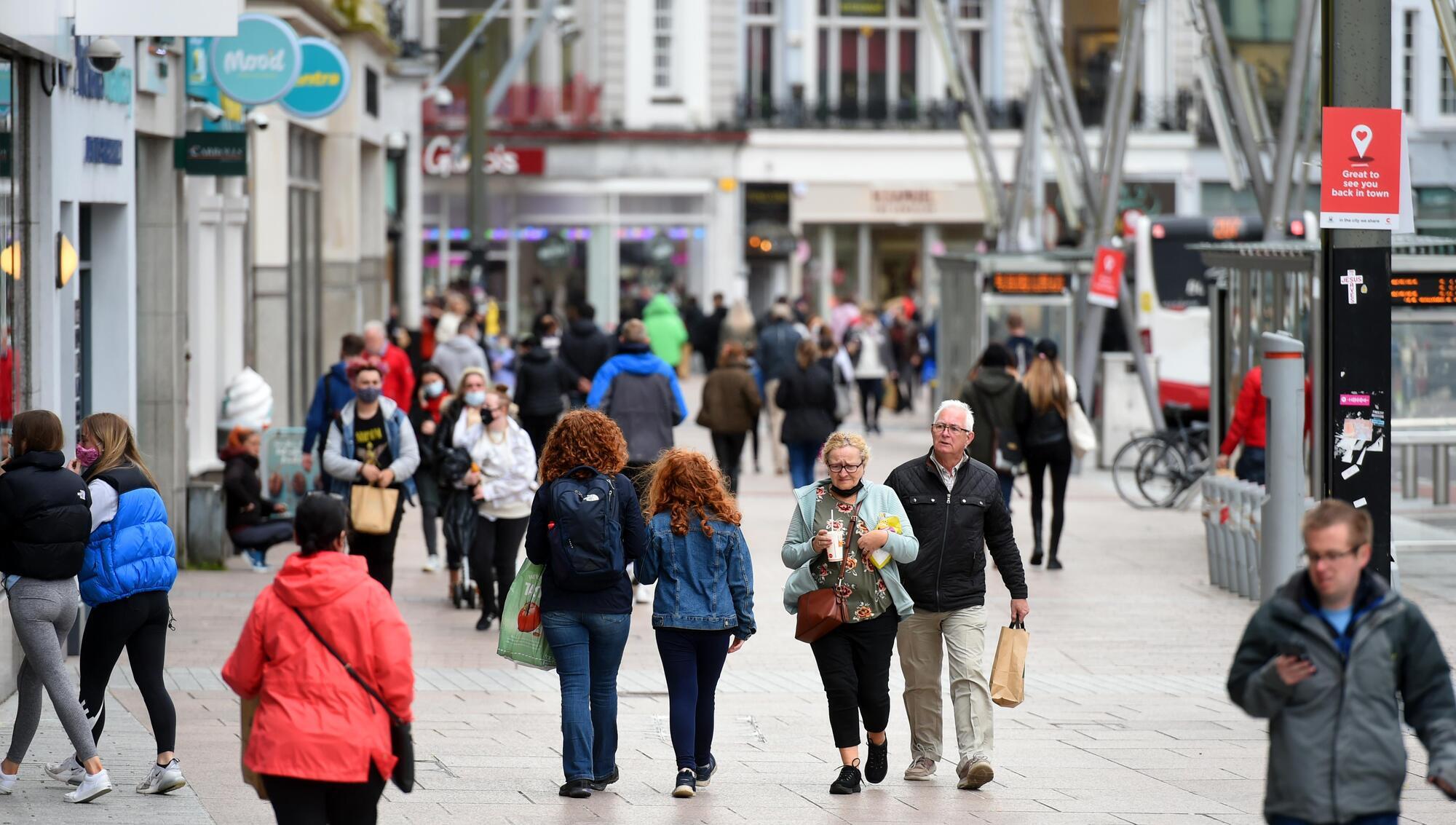
While scientists and environmental activists have long pointed the finger at pollutant industries for global emissions rising, they have also consistently said that rampant consumerism is also a major factor. File photo: Larry Cummins
While most Irish people believe in being more environmentally friendly and want to tackle the climate crisis, that is not matched by a willingness to change personal behaviour to do so.
That is according to new research from Permanent TSB and data analytics and brand consultancy firm Kantar. They surveyed more than 1,000 adults prior to the recent United Nations climate change summit Cop26 in Glasgow, where world leaders made a range of pledges to tackle spiralling global emissions.

While 63% of respondents feel it’s important to be seen as environmentally friendly, the same percentage believes their household is already doing all it can to reduce their emissions output, or so-called "carbon footprint", a marketing term coined by the fossil fuel industry in the early 21st century aimed at individuals rather than pollutant corporations.
The climate emergency was far down the list of priorities for households, despite its life-threatening implications for future generations.
"Climate change is just one of many issues of concern to Irish people today, and it is not the most salient. It ranks seventh in issues we feel need to be addressed, after the cost of living, access to quality healthcare, homelessness, the price of housing, Covid-19, and affordable rents," the report's executive summary said.
Just 6% see it as the most important issue of this era, it added, and a quarter put it in the top three issues.
While almost half believe individuals should help address climate change, less than a quarter believe individuals bear primary responsibility, with a bigger proportion believing it to be primarily a responsibility of government to do so. Perhaps surprisingly, just 16% believe it is primarily the responsibility of heavy industry.
More than a quarter also believe that there is not enough evidence to link personal behaviour to climate change.
While scientists and environmental activists have long pointed the finger at pollutant industries for global emissions rising, they have also consistently said that rampant consumerism is also a major factor.
The report also found conflicting results around transport, with Ireland planning to electrify the car fleet and ramp up public transport, cycling, and walking in the next decade.
Some 61% say Ireland needs to move away from dependency on petrol or diesel cars but only 32% have walked, cycled or used public transport instead of using a car at least once in the past three months, it found.
Just 31% favour higher taxes on petrol and diesel cars compared to 43% opposing such a move, while less than half favour higher taxes on air travel, the report added.
When it comes to eating habits, some 54% say they are willing to change what they eat, but only 30% have substituted meat with a meat-free alternative at least once in the last three months.
Personal financial impact is a major barrier, the report found - some 71% believe that behaving in an environmentally friendly way will cost them money.
CLIMATE & SUSTAINABILITY HUB