Don't organise birthday parties or playdates for children, education minister says
Norma Foley has said there is now a "window of opportunity" to change our behaviour and bring down Covid cases.
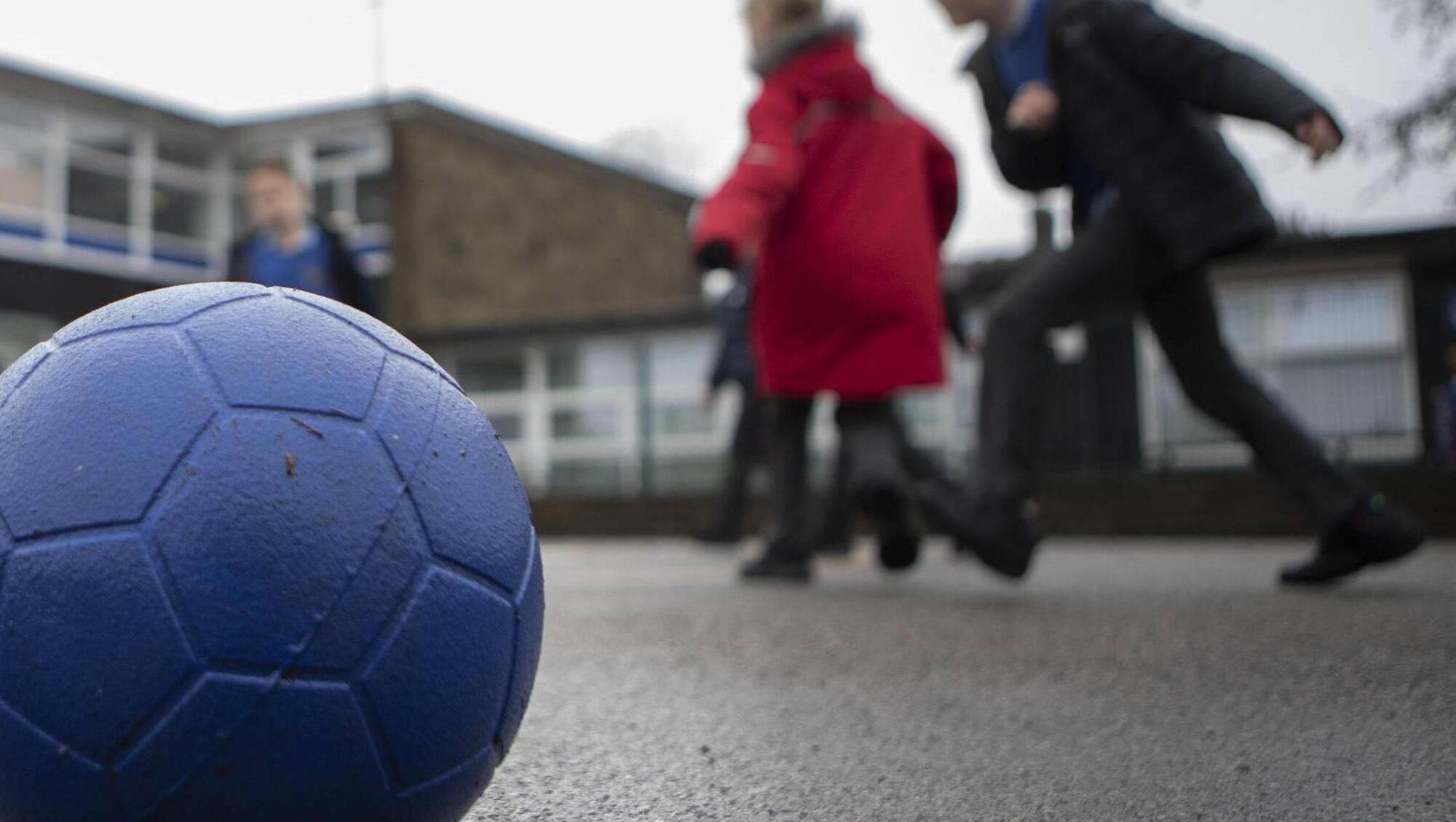
Parents should not be organising birthday parties or playdates for children, Education Minister Norma Foley has warned.
Ms Foley said there is now a "window of opportunity" to change our behaviour and bring down Covid cases.
She said that "we have worked very well in ensuring our schools can operate", but that the transmission of the virus remains more so in wider society.
"Therefore, the ask is on wider society to shoulder the responsibility," she said.
Asked specifically whether parents should be hosting birthday parties and playdates, Ms Foley said: "The [chief medical officer] has said very clearly that we need to minimise our social interactions. And I think that's advice that isn't just for wider society. It is for each one of us individually to look at opportunities where we would say is it necessary for us to have x,y, and z engagement?"
She said: "We know we have a window of opportunity to reassert ourselves to do the right thing, to follow the advice that is given to us, to minimize our social contacts.
"We have seen the return to play dates and birthday parties and things like that. I think there's a call now that we would minimise [this] and we would draw down again and revert to what we have done in the past."
Ms Foley acknowledged that there are "challenges" in finding substitute teachers in some schools.
She said it is "an achievement that we can say that, in the round, our schools are operating", adding that her department has brought in a suite of measures in terms of substitution.
Earlier, Health Minister Stephen Donnelly told RTÉ radio that he could not say when free antigen tests will be rolled out for schools or when a wider subsidy scheme will be finalised.
Mr Donnelly also warned that a circuit-breaker lockdown cannot be ruled out if the latest measures announced last night do not bring down the number of cases and hospital admissions.
Mr Donnelly said it will take three weeks to see if the latest restrictions, which include a midnight closing time for pubs and the expansion of Covid certs, have worked.
"We can go further, but what we wanted to do was put in a package of measures that we thought would work very quickly," he said.
Asked if a full lockdown is on the cards, Mr Donnelly said: "We know from Covid right around the world that things can never be ruled out."
He said that in the coming weeks it is "really really important" that people "keep themselves safe, reduce their social contacts, and when it's time to get the booster to please get it".
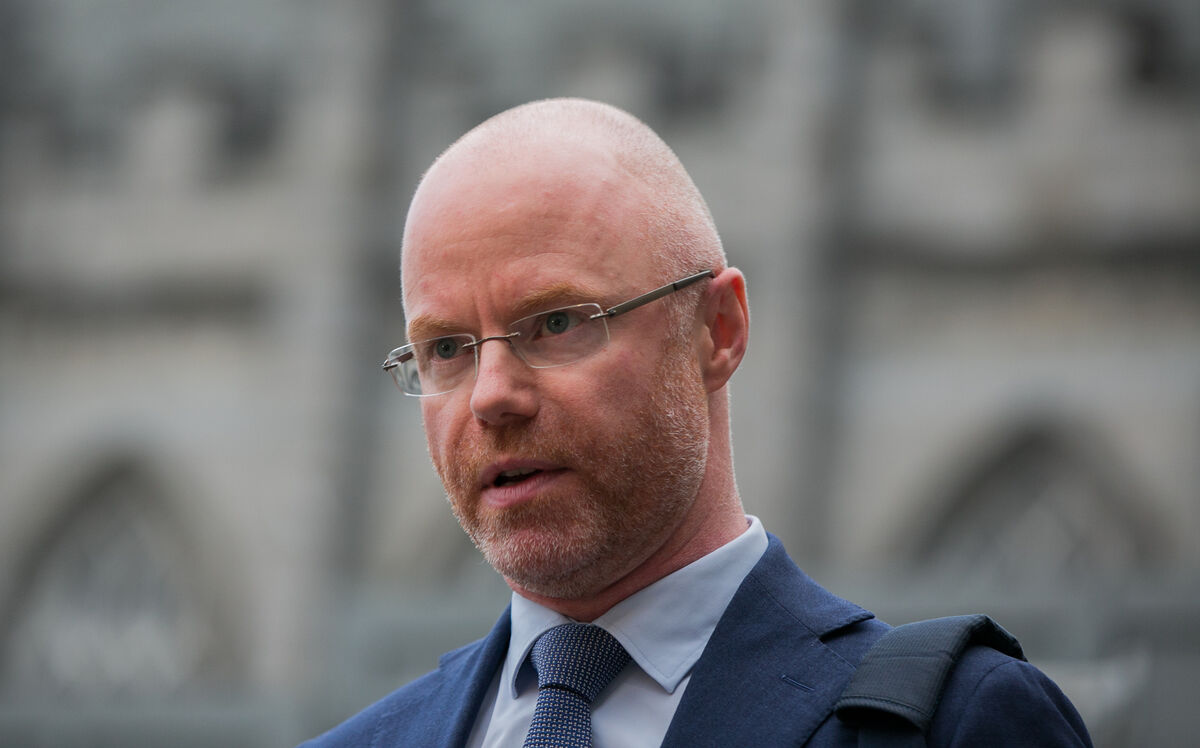
Mr Donnelly said a subsidy to make antigen tests more affordable will cost "several hundreds of million", and ruled out making the tests completely free for everyone.
"My advice is they shouldn't be free," he said, citing the UK government, claiming it came in for huge criticism for spending public money on antigen tests without the ability to trace their use.
Mr Donnelly could not say when a scheme to subsidise antigen tests will be rolled out. Instead, he said his department was still working on the measure and it will be ready "shortly".
On free antigen tests for schoolchildren, he said: "They're going to be used for targeted close contact testing. The HSE and the Department of Education are working through some final details.
"But essentially, they will be used in targeted close contact ways and they'll be sent to the houses."
The stance on antigen tests came in for sharp criticism on social media, with Seanad leader and Fine Gael senator Regina Doherty taking aim at the government.
"Given how much the country has spent on PCR tests and lockdowns (PUP and Biz supports), it's a serious mistake not to give antigen tests free to each household," she posted on Twitter.
"Have been asking for their use as an effective tool against Covid for months now."
Mr Donnelly told RTÉ's show that the latest measures have been taken in reaction to the "very stark" modelling that Nphet presented the Government with on Monday evening
If the Government had not introduced the restrictions, Mr Donnelly said there would be between 200 and 450 people in ICU by Christmas week.
Meanwhile, the World Health Organisation’s special envoy on Covid-19, Dr David Nabarro, said that he does not think Ireland is heading back into strict lockdown.
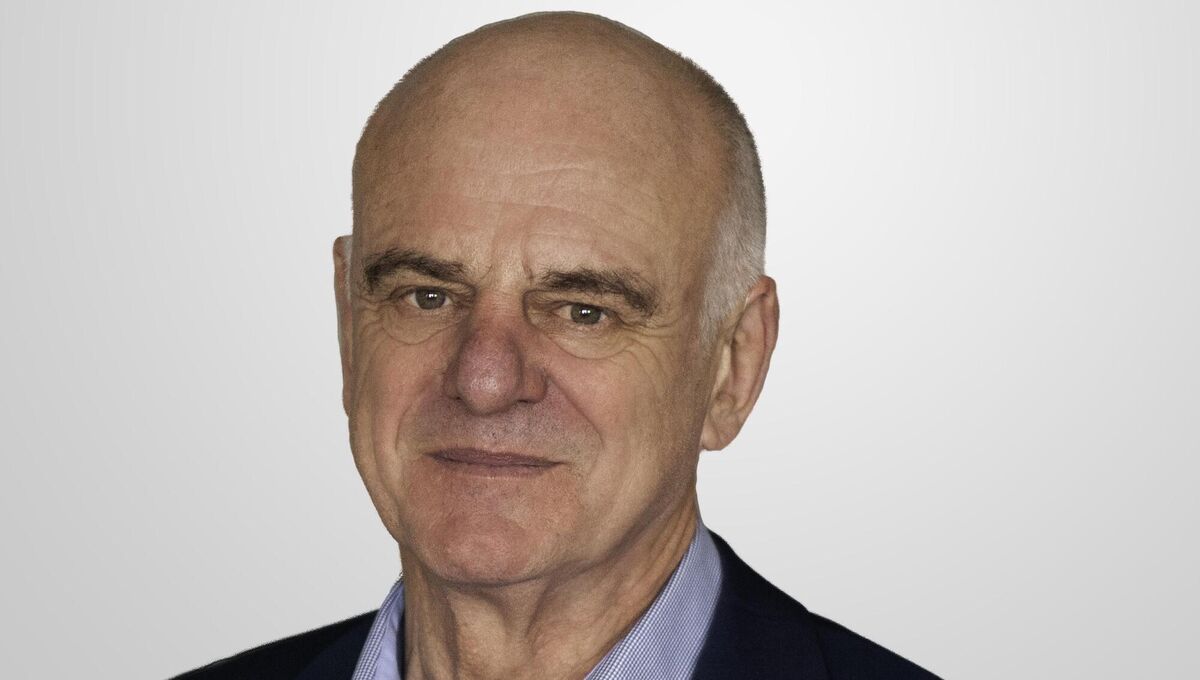
Speaking on RTÉ radio’s show, Dr Nabarro said although the Covid figures are high, he was hopeful, especially since the country had acted quickly.
The situation in Ireland had become quite dramatic in recent weeks with surges in numbers and health services stretched, he said. The Government had a clear idea of what was going on, “there will have to be some restrictions, but I don’t get a feeling that you’re moving into stringent lockdown, I very much hope that won’t happen".
Dr Nabarro also cautioned about the use of antigen tests, warning that they were not 100% reliable and that it was sometimes difficult to get a positive result. They had a role to play in schools as part of the process to keep children and educators safe, he said.

CONNECT WITH US TODAY



Be the first to know the latest news and updates