Ireland has been referred to highest court in EU over drinking-water failures
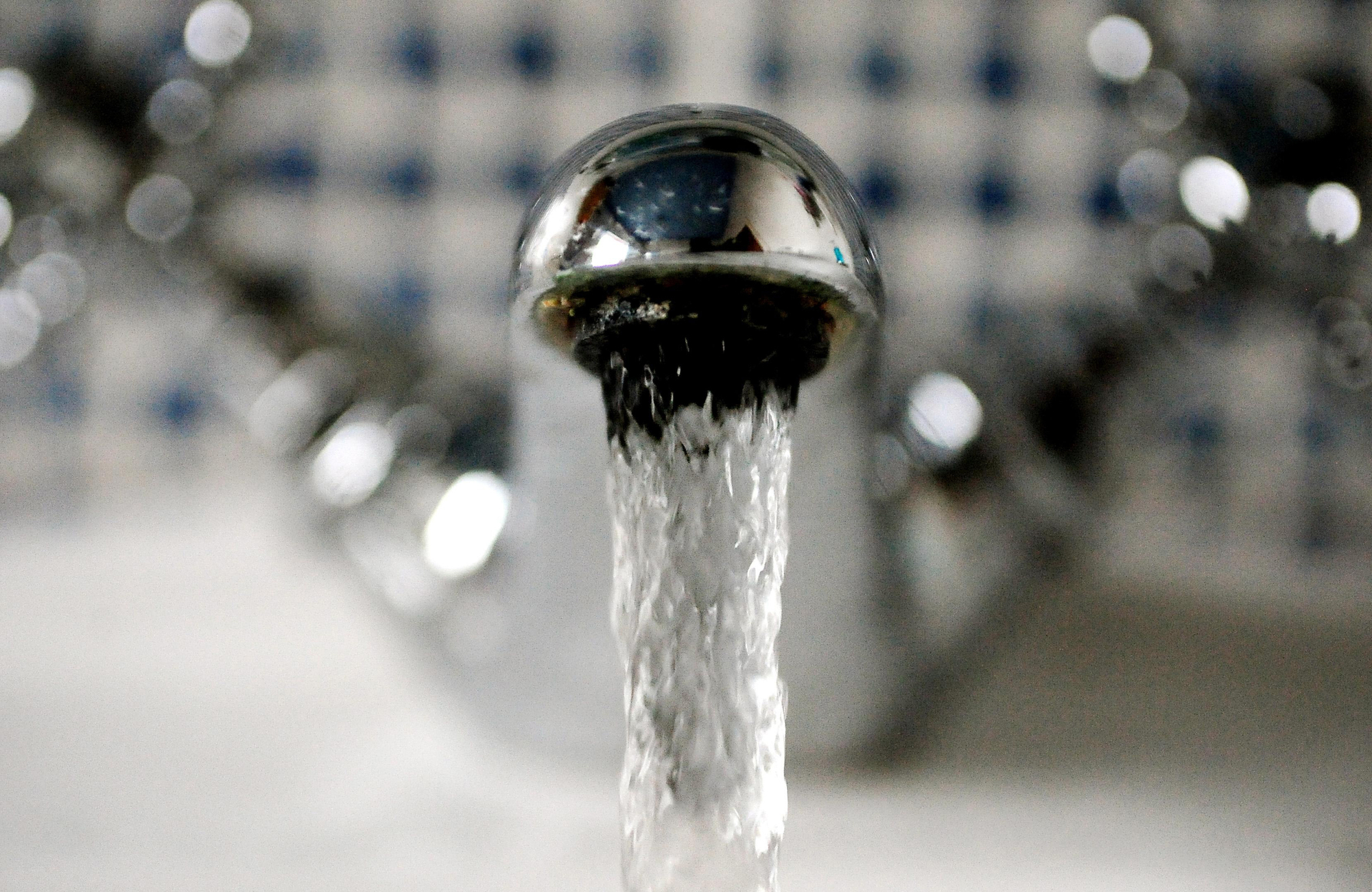
Drinking water provided in 30 water-supply zones in Ireland, serving a population of more than 200,000, continues to exceed safe levels of chemicals. File Picture.
Ireland has been referred to the highest court in the EU over drinking-water failures that have exposed 200,000 people to health risks.
The European Commission said Ireland had failed to comply with the requirements of the drinking-water directive, which requires that EU countries ensure that water intended for human consumption is wholesome and clean.
Despite Ireland being warned by the commission in 2018 that action would be taken if the problem were not tackled, it has not done so sufficiently, and has now been referred to the European Court of Justice (ECJ) to explain itself.
"In Ireland, the level of the chemical substance trihalomethanes (THMs) in drinking water has long exceeded the parametric value established in the drinking-water directive in a number of water-supply zones across the whole country," the commission said.
THMs are chemicals in water that has been treated with chlorine.
According to Irish Water, "the addition of chlorine is an essential step to ensure harmful bacteria are eliminated from your drinking water. The formation of THMs is a consequence of this process."
However, there is a limit to the amount of THMs that is permitted by the EU's directive, and Ireland has exceeded what is allowed in a number of supplies, the commission said.
"Drinking water provided in 30 water-supply zones in Ireland, serving a population of more than 200,000 citizens, continues to exceed the safe levels of THMs. These chemicals are formed in drinking water due to the disinfection process. Exceeding the parametric value of trihalomethanes can entail potential risks to human health," it said.
The commission sent a letter of formal notice to Ireland in 2018, followed by a reasoned opinion in May 2020. A formal notice is a request for further information on how the problem is to be tackled, and if the answer is unsatisfactory, a formal request to comply with EU law is sent, known as a reasoned opinion.
"The reasoned opinion concerned 44 water-supply zones across the whole country. Since the reasoned opinion, 30 water-supply zones remain in breach of the THM value," the commission said.
Although referred to the ECJ, most cases are settled before they come to the court. If not settled, Ireland faces being fined. If the ECJ compels that action be taken, the Government must act or be in breach of EU law.
"Whilst the commission welcomes the fact that Ireland has made progress in addressing elevated levels of THMs in the drinking water, today, more than three years after the opening of the infringement case, a number of water-supply zones still do not comply," the commission said.

CONNECT WITH US TODAY



Be the first to know the latest news and updates