WHO urges Europe to rethink easing restrictions as it predicts 500,000 deaths by February
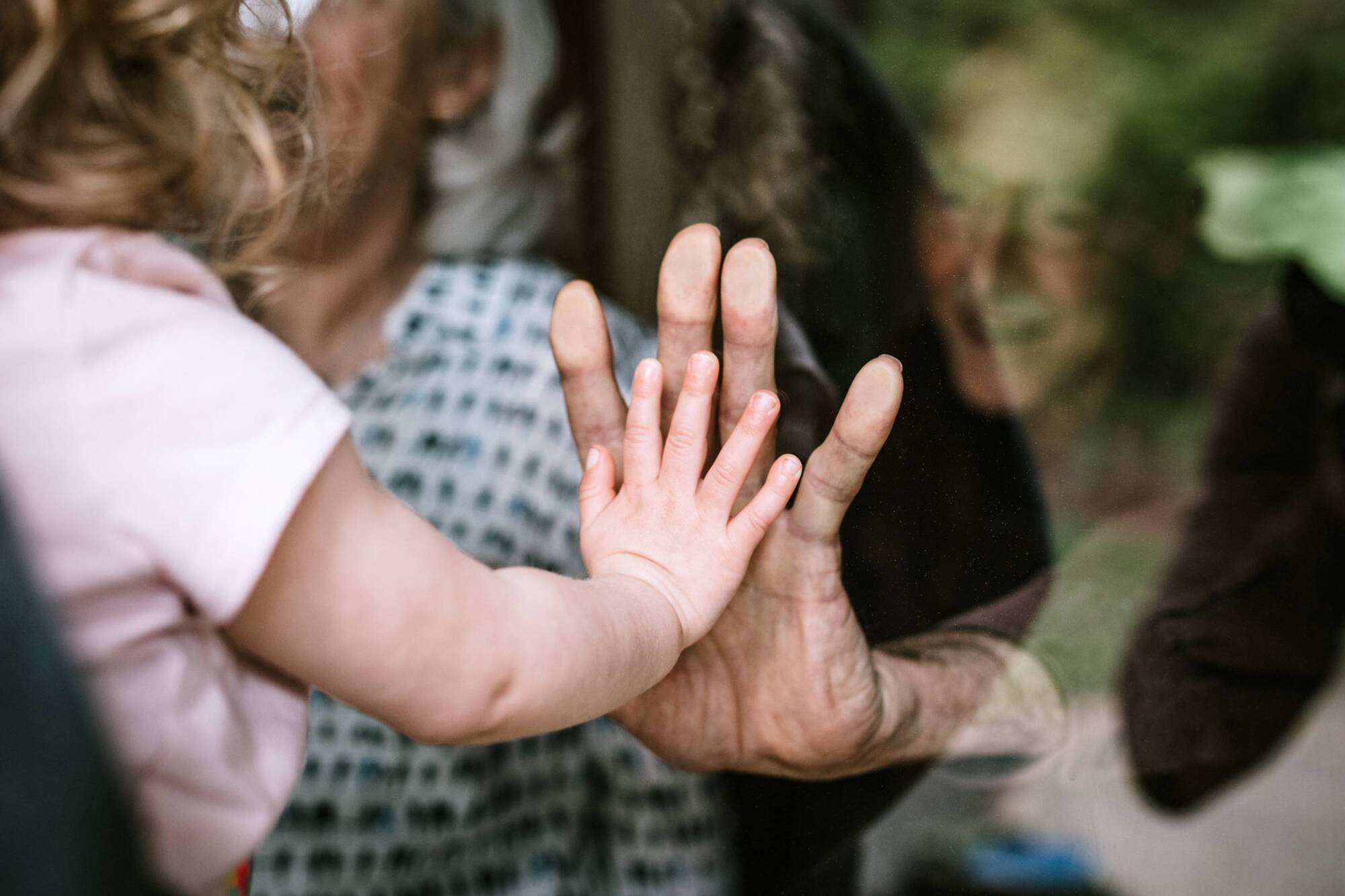
Hans Kluge said the most alarming development is the rapid increase in infections and deaths in older population groups, with hospital admission rates more than doubling in a week and 75% of fatal cases now occurring in people aged 65 years and over.
Uneven vaccine coverage and a relaxation of preventive measures have brought Europe to a “critical point” in the pandemic, the World Health Organization has said, with cases again at near-record levels and 500,000 more deaths forecast by February.
Hans Kluge, the WHO’s Europe director, said all 53 countries in the region are facing “a real threat of Covid-19 resurgence or already fighting it” and urged governments to reimpose or continue with social and public health measures.
“We are, once again, at the epicentre,” he said. “With a widespread resurgence of the virus, I am asking every health authority to carefully reconsider easing or lifting measures at this moment.”
He said that even in countries with high vaccination rates, vaccination can only do so much.
“The message has always been: do it all,” Kluge said. “Vaccines are doing what was promised: preventing severe forms of the disease and especially mortality … But they are our most powerful asset only if used alongside public health and social measures.”
Vaccination is one of the best ways to protect yourself from #COVID19 alongside other protective behaviors
— World Health Organization (WHO) (@WHO) November 4, 2021
See what to expect when getting the 💉 COVID-19 vaccines 👇 https://t.co/LOhHjCWsLE
#VaccinesWork pic.twitter.com/XOT9VNtvSu
Catherine Smallwood, WHO Europe’s senior emergency officer, said countries that have mostly lifted preventive measures have experienced a surge in infections. Vaccinations mean they have not seen “the same rates of hospitalisation or mortality we would have otherwise expected”, she said.
“However, the more cases you have in crude terms, the more people will end up in hospital, and the more people will in the end go on to die. So there’s a very simple explanation for what’s going on.
“We have many susceptible individuals, including in high-vaccinated countries, and this is leading to unpredictable explosive outbreaks of Covid-19. And that’s not where we want to be right now.”
Kluge said case numbers in Europe and central Asia have risen by 6% in a week, and deaths by 12%, with new daily infections surging by 55% over the past month. Europe and central Asia combined now account for 59% of all confirmed cases globally and nearly half of all deaths.
Kluge said the most alarming development is the rapid increase in infections and deaths in older population groups, with hospital admission rates more than doubling in a week and 75% of fatal cases now occurring in people aged 65 years and over.
“If we stay on this trajectory, we could see another half a million Covid-19 deaths in Europe and central Asia by the first of February next year, and 43 countries in our region will face high to extreme stress on hospital beds,” he said.
Kluge said insufficient vaccination coverage and the relaxation of public health and social measures are to blame. With a billion doses now administered in Europe and central Asia, vaccines were saving “thousands upon thousands” of lives, he said.
But while 70% of people in some countries are fully vaccinated, barely 10% are in others. “Where vaccine uptake is low, in many countries in the Baltics, central and eastern Europe and the Balkans, hospital admission rates are high,” he said.
Authorities must accelerate vaccine rollouts, including booster shots for at-risk groups, he said: “Most people hospitalised and dying from Covid-19 today are not fully vaccinated.”
But public health measures such as test and trace, and social measures such as mask-wearing and social distancing, are equally vital, he said, adding that WHO estimates suggest that 95% universal mask use in Europe and central Asia “could save up to 188,000 of the half a million lives we may lose” before February.
When applied “correctly and consistently”, preventive measures “allow us to go on with our lives, not the opposite”, Kluge said. “Preventive measures do not deprive people of their freedom, they ensure it.”
Covid passes showing proof of vaccination should be viewed as “a collective tool towards individual liberty”.


CONNECT WITH US TODAY



Be the first to know the latest news and updates