WHO: Alcohol one of the biggest risk factors for breast cancer
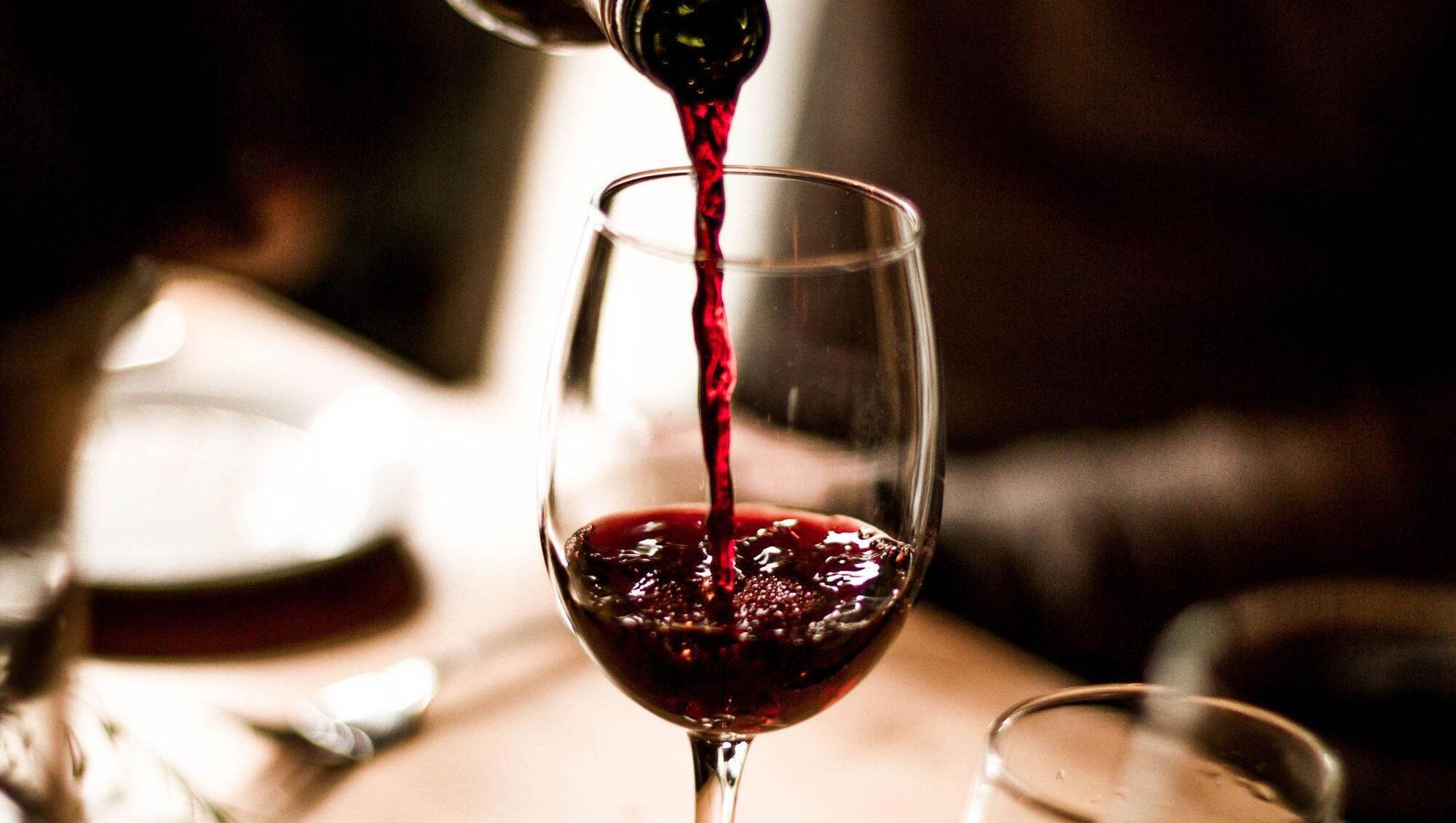
More than 10% of alcohol-attributable cancer cases in the European Region arise from drinking one bottle of beer (500ml) or two small glasses of wine (100ml each) every day
Alcohol consumption is one of the biggest risk factors for breast cancer, causing seven of every 100 new cases in Europe, the World Health Organisation (WHO) has said.
Every day, there are 1,579 new cases of breast cancer diagnosed in the European Region, which has the highest rate of the disease of all other WHO regions.
Alcohol consumption, one of the major modifiable risk factors, causes seven of every 100 new cases of breast cancer in Europe, with more than 40,000 cases diagnosed in 2020.
Globally, more than two million cases were estimated in 2020, and according to the WHO, around 100,000 of these were attributable to alcohol consumption.
"People need to know that by reducing alcohol consumption they can reduce their risk of getting cancer," says Dr Marilys Corbex, senior technical officer on noncommunicable diseases, WHO/Europe.
"It doesn’t matter what type, quality or price alcohol is.”
Alcohol is classified as a group one human carcinogen by the International Agency for Research on Cancer (IARC), linked to seven types of cancer including:
- Breast
- Oral cavity
- Pharynx
- Oesophagus
- Liver
- Larynx
- Colorectum
The World Health Organisation says there is no safe level of alcohol consumption, with the risk of breast cancer increasing with each unit per day.
More than 10% of alcohol-attributable cancer cases in the European Region arise from drinking one bottle of beer (500ml) or two small glasses of wine (100ml each) every day, with this number increasing 25% in breast cancer cases.
“Simply put, alcohol is toxic. It harms every organ while it passes through the body”, said Dr Carina Ferreira Borges, acting director for Noncommunicable Diseases and Programme Manager for Alcohol and Illicit Drugs at WHO/Europe.
“So, it makes perfect sense to limit the amount of consumed alcohol, to find ways to replace alcohol with other beverages, and to adopt nationwide policies that help to reduce alcohol consumption.”
To reduce the number of alcohol-related cancers, the WHO recommends reducing public consumption by increasing excise to make alcohol less affordable, banning or restricting alcohol marketing and reducing availability by regulating sale hours.
The health body also recommends countries place warning labels on beverages so consumers are aware of the risks.