Fewer than one-in-four hurlers removed from play after suspected concussion
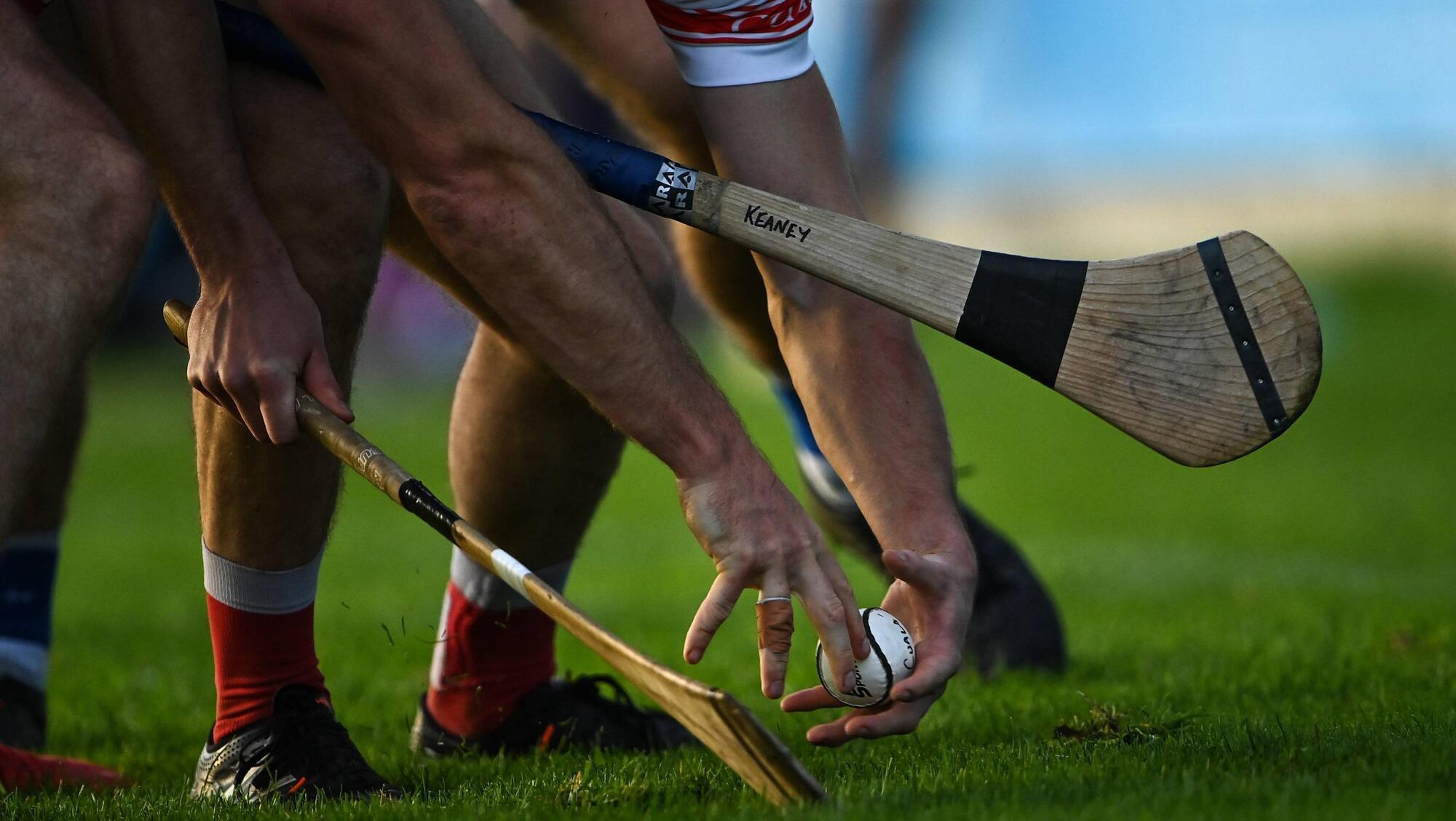
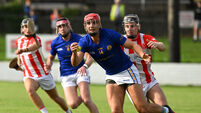
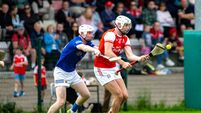
The study said as hurling is a fast-paced contact sport that places players at risk of concussion, it was imperative concussion management guidelines are followed. File photo: Piaras Ă“ MĂdheach/Sportsfile
An “unacceptably high rate” of inter-county hurlers suspected of having sustained concussion during a game are allowed to resume play without adequate assessment, according to a new medical study.
An analysis of potential concussive events during all inter-county hurling league and championship matches in 2018 and 2019 found only 10 out of 43 players who showed one or more signs of concussion were removed from play.
Researchers from University College Cork’s School of Medicine claim their findings show affirmative action is needed from the GAA to ensure there is a consistent application of standardised concussion assessment across Gaelic games.
Similar findings from associated research on inter-county players in Gaelic football suggested that current concussion training programmes by the GAA have had limited success.
Awareness of sports-related concussion has increased in recent years and led to the GAA introducing guidelines in 2018 which recommend players with suspected concussion be removed immediately from play and assessed using a protocol that takes a minimum of 10 minutes to complete.
However, one of the study’s co-authors, Darek Sokol-Randell, said researchers were unable to identify any assessments in line with the protocol from their analysis of 183 potential concussive events during 82 competitive inter-county hurling matches during the 2018 and 2019 seasons.
“The use of a standardised assessment protocol must be enforced to ensure that concussions are not missed and that players only return to play if it is safe to do so,” said Mr Sokol-Randell.
The study said as hurling is a fast-paced contact sport that places players at risk of concussion, it was imperative concussion management guidelines are followed.
Players who suffer a second head injury before a primary concussion is resolved are at risk of a severe condition called second-impact syndrome which can result in catastrophic brain swelling and even death.
“While it is impossible to eliminate concussion from sports entirely, it is imperative that sporting leagues take measures to optimise the identification, assessment and substitution of athletes suspected of having sustained a concussion," Mr Sokol-Randell said.Â
The video analysis found 86.3% of affected players were assessed by medical personnel. Of these, 81% of assessments lasted less than one minute. However, the study found a strong association between the number of concussion signs and the length of the assessment.
A potentially concussive event (PCE) is defined as any incident where a player is unable to resume play in a meaningful capacity within five seconds of a direct head contact. Only 7.1% of players were removed from play following a PCE – a total of 13 players, of which 10 had shown one or more visible signs of concussion.
The analysis shows 25 players suffering a PCE received no assessment before returning to play. In another finding, five out of seven players visibly bleeding following a PCE were either temporarily or permanently removed from play.
The study noted that a 2017 survey found 54% of GAA athletes had reported a personal history of concussion with 44% having experienced a blackout on two or more occasions.
While hurlers were found to be less likely than Gaelic footballers to suffer bleeding as a result of a PCE due to their use of helmets and faceguards, the study said the perceived reduction in risk could extend to sideline medical staff when it came to assessing and removing injured players from play.
It noted there was less adherence to the blood substitute rule in hurling than Gaelic football possibly due to the disguising effect of the helmet.
The study’s other co-author, Mario Pasquale Rotundo, said the finding underscored the importance of removing players suspected of concussion so they may remove their helmet to be thoroughly assessed.
He recommended that education training programmes for players, coaches, volunteers and parents are promoted and made available at all levels to promote a grassroots change in the way concussions are perceived and managed in hurling and Gaelic football.
The study also recommended a similar video analysis should be carried out each season to provide quality assurance that an appropriate level of care is being offered to players.
“Increased oversight from the GAA is necessary to ensure that its training events are producing the intended effects and that its concussion management guidelines are actually reaching players on the pitch,” said Mr Rotundo.