More than 21,000 people waiting a year or more for surgery 
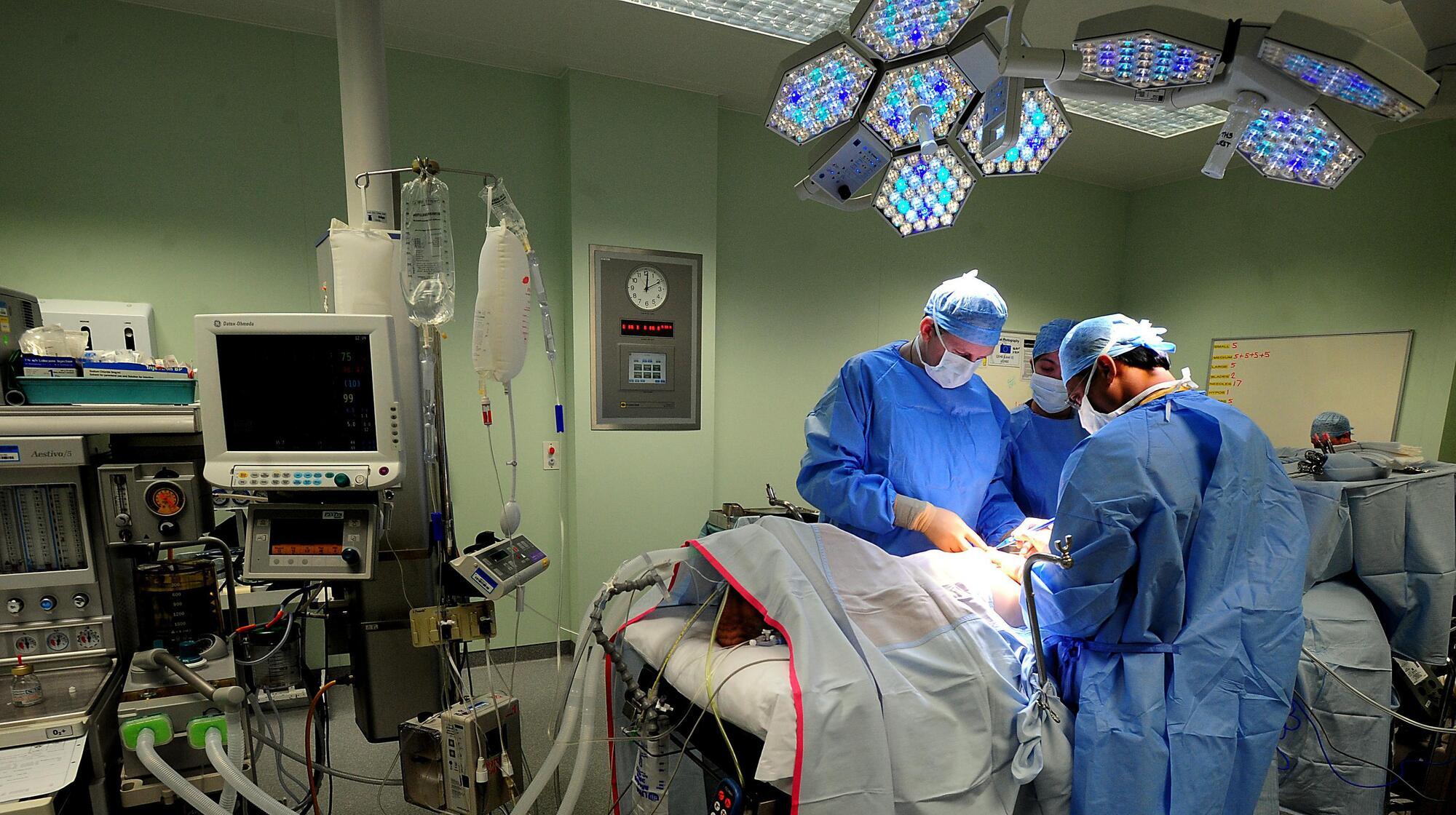
Hospital doctors have said Covid-19 exacerbated “already unsustainable waiting lists” and that, without urgent action, it could be 2035 before waiting lists are brought down to a more manageable level.

Hospital doctors have said Covid-19 exacerbated “already unsustainable waiting lists” and that, without urgent action, it could be 2035 before waiting lists are brought down to a more manageable level.

More than 21,000 people have been waiting over a year for surgery, with the 145% increase in the numbers stuck on lists being attributed to the pandemic.

Hospital doctors have said Covid-19 exacerbated “already unsustainable waiting lists” and that, without urgent action, it could be 2035 before waiting lists are brought down to a more manageable level.

The Royal College of Surgeons in Ireland has published an analysis which found 17% fewer emergency surgeries and 30% fewer elective surgeries were performed during the pandemic.

The most significant reduction in surgical discharges occurred in April and May 2020, dropping to 34.7% of 2019 average monthly volumes.

145% increase

The report also highlighted a 145% increase in the number of people on the surgical speciality waiting lists for in-patient, day case, and scopes between April 2020 and 2021. 

There were 21,430 people on these waiting lists in April of this year, up from 8,737 during the same period last year.

Patient access to urgent ear, nose, and throat (ENT) surgery was also “significantly curtailed”, resulting in over 100,000 patients now waiting for their first specialist appointment.

Overall, total hospital waiting lists topped 900,000 for the first time in August, with representatives expecting the figure to surpass 1m in the coming months.

Mr Kenneth Mealy, co-lead of the National Clinical Programme for Surgery, said the pandemic has exacerbated what were “already unstainable waiting lists”.

“The HSE must act to immediately protect capacity for scheduled surgery,” he added.

Stephen McMahon, from the Irish Patients’ Association, said the report highlights the two-tier health system.

“There's a shamelessness about being told when one contacts a hospital that they may have to wait years to be seen by a consultant while physically in pain at the hatch or on the phone," he added.

Mick Molloy, from the consultant committee of the Irish Medical Organisation (IMO), said these are more than just statistics, but individuals.

"That individual may not be able to work presently because of the condition that they have. The surgery might enable them to get back to functioning as best they can. For the individual and for society, elective surgery is a very important thing," he added.

A spokesman for the Irish Hospital Consultants’ Association said the pandemic has had a profound impact but is not the “root cause” of the problem.

“Waiting lists for some of the most common procedures in ENT, orthopaedics, and urology have continued to grow over the past decade, due to the persistent lack of investment, capacity, and consultants in Ireland’s acute public hospitals,” said the spokesman.

Action plan

A spokeswoman for the HSE said Health Minister Stephen Donnelly will shortly announce a waiting list action plan to address acute scheduled care waiting lists during the winter period.

"Work on a longer-term multi-annual waiting list action plan is also well underway," she added.

Meanwhile, the minister told politicians that no issues were raised with him regarding the implementation of Sláintecare prior to the resignation of a number of key officials in recent weeks.

The proposed reform of the health service has been put in doubt after six high-profile members of the advisory committee resigned from their positions in the past two months.

It emerged last month, however, that secretary-general of the Department of Health, Robert Watt, had known about the pending resignation of Laura Magahy a week before she actually left. Mr Donnelly said he was not informed in advance of her resignation.

Mr Donnelly also announced that a new programme board will be established to lead the reforms, which will be co-chaired by Mr Watt and the HSE’s chief executive Paul Reid.

x

More in this section

Lunchtime News

Newsletter

Get a lunch briefing straight to your inbox at noon daily. Also be the first to know with our occasional Breaking News emails.

Cookie Policy Privacy Policy Brand Safety FAQ Help Contact Us Terms and Conditions

© Examiner Echo Group Limited