Donnelly's 'disrespectful' letter to Sláintecare council an attempt to silence them - Shortall
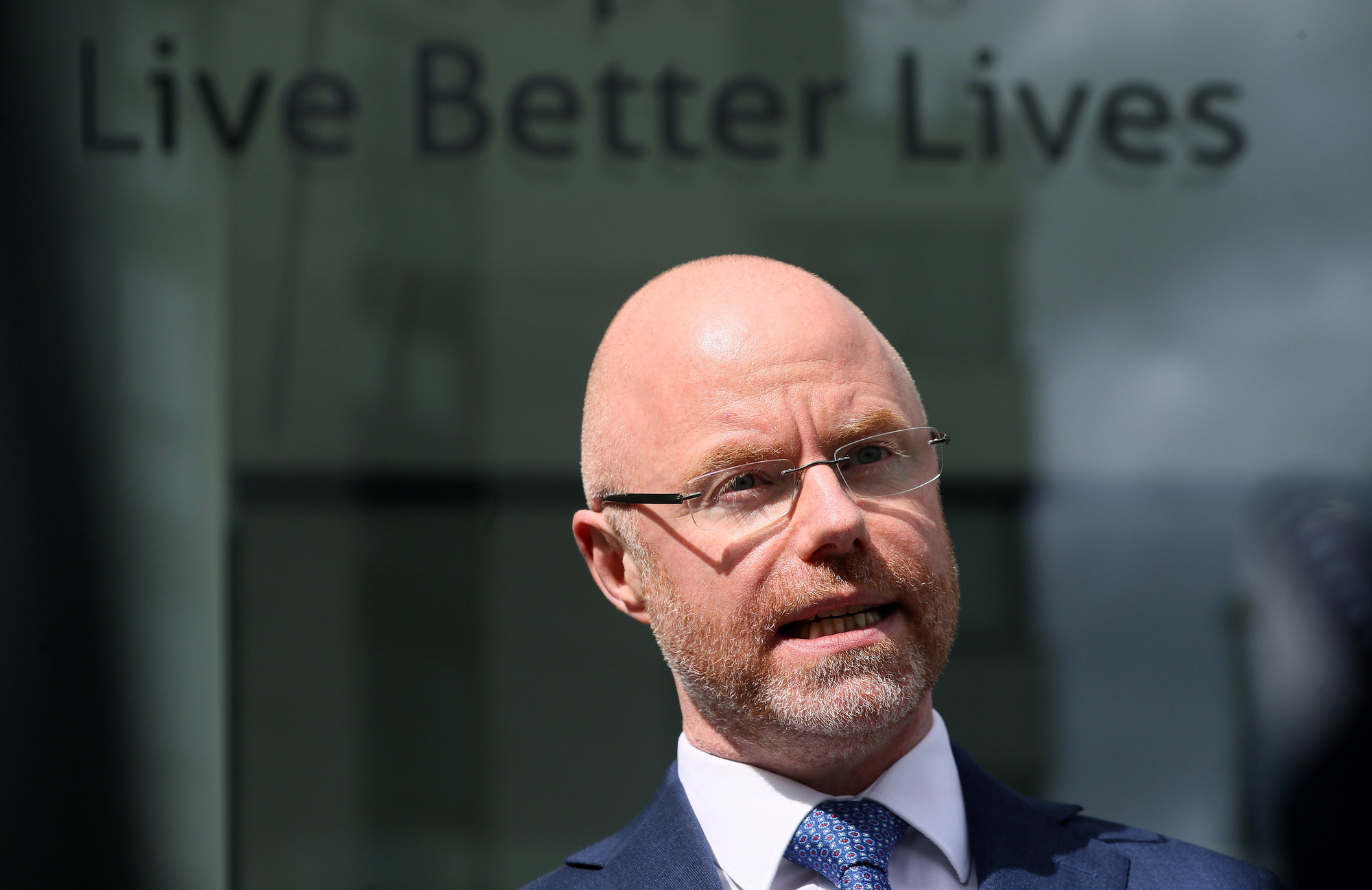
Stephen Donnelly announced the establishment of a task force to tackle hospital waiting lists, which are now worse than they were before the pandemic. Picture: Brian Lawless
A member of the Sláintecare Implementation Advisory Council (SIAC) says he is "not surprised" the council has been disbanded by the Minister of Health.
Stephen Donnelly wrote to members last night informing them the council would be disbanded and a new group would advise the Department of Health on the regional health areas only, a controversial part of Sláintecare, which has so far not been implemented.
The Implementation Advisory Council, was hit by multiple resignations recently, including that of its Chairman Tom Keane, Dr Anthony O'Connor and Executive Director Laura Magahy, over dissatisfaction with progress in reforming Ireland's healthcare system.
Mr Donnelly and Secretary General of the Department of Health Robert Watt, have both come under fire for their attitude towards the project and council in recent weeks.
Dr Anthony O'Connor said in his resignation letter that he felt the project "was doomed to fail" after a meeting with Robert Watt.
Liam Doran, a member of the council, received a letter from Minister of Health Stephen Donnelly last night, informing him about the establishment of the new group.
"Obviously it's one of disappointment, the council has asked for an extension of this term of office for three months in light of the recent difficulties which became public," he said on Sunday.
"So it's disappointing to see that the minister, who has his prerogative, has decided not to grant our request.
"So, not surprised but disappointed because at the end of the day the Council were set up to monitor and comment on the ongoing implementation of the totality of this Sláintecare report, that's what we've always tried to do.
"Members of the Council, including the chair, have said recently that they view progress as impossible because of the lack of governance and accountability and commitment. We can't ignore that.
"In our engagement over the last couple of weeks, we've had no explanation from the government, or from senior management as to how very, very excellent people like Tom Keane can arrive at that conclusion.
"But we now have a minister who has decided to dispense with our services and set up a group which has a one item agenda, of monitoring the regional health authorities, which is not the totality of Sláintecare and that of itself is disappointing as well."
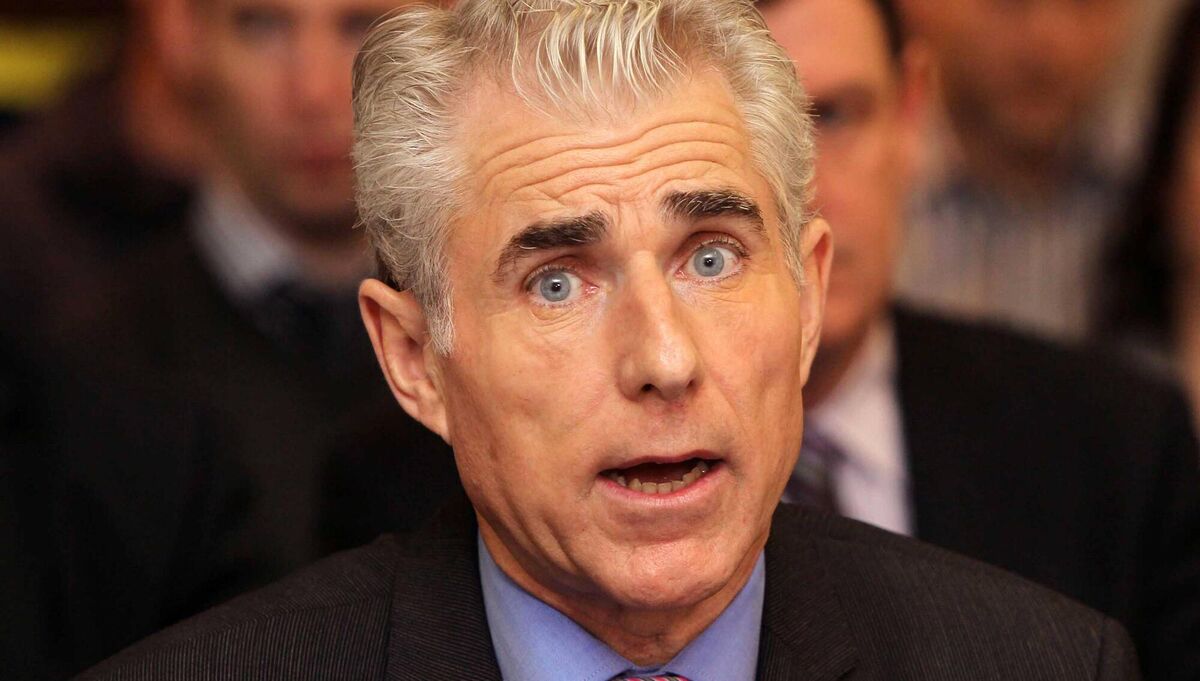
Mr Doran says he wishes "the new group well" however has concerns that the entire Sláintecare report will now not be implemented.
"To have a narrow focus like that, that one of the difficulties about the implementation of Sláintecare since the report was born, is that the political oversight at the highest level has been lacking, the original report called for a cabinet subcommittee to monitor implementation," he said.
"The report called for the office of the Sláintecare to have access to the Taoiseach, as well as reporting to the Department of Health.
"The other type of high level structures, which will ensure the totality of the report is implemented, and regional health authorities critical and vital as they are, are not the only part of Sláintecare which is in difficulty as far as we can read at the moment.
"So, there's a need for a council, if the minister doesn't like this council. Well then, I still would hope that notwithstanding his initial decision, this will be reviewed."
Responding to the letter sent by Mr Donnelly, Social Democrats co-leader Róisín Shortall says describing the resignations as "casting a shadow" is really insulting.
"I think it was misplaced and I also think that there is an attempt here to silence those people and to gloss over the fact that the reform programme is being delayed and being blocked," said Ms Shortall.
She said all those who have resigned from Sláintecare did so out of pure frustration.
They are all saying that there is no commitment within the Department of Health to implement it and senior officials are working to block it, Ms Shortall said.
"I believe those people," she added.
Unless the minister and the Taoiseach actually stand up to those people who are blocking the reform then Sláintecare will be dead."
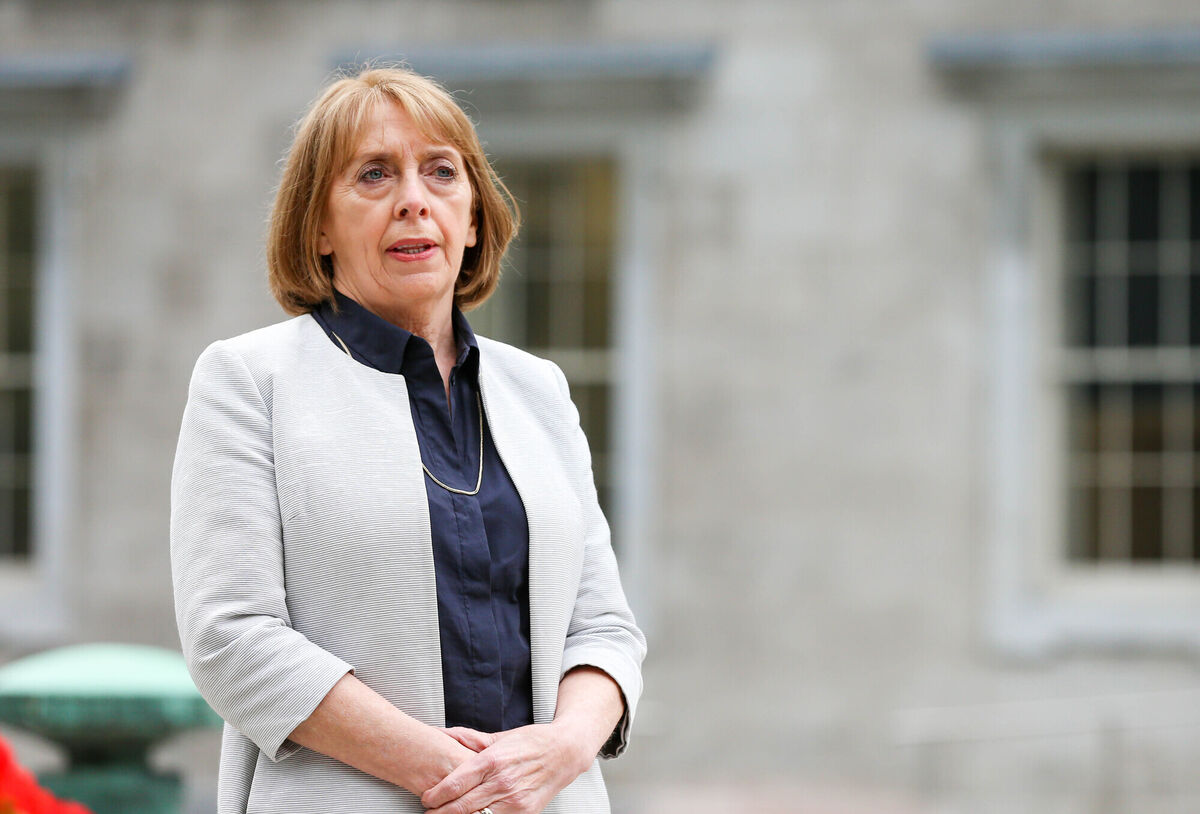
Labour's health spokesperson Duncan Smith said news of the new group is a worrying development.
"It’s worrying to see that a new group will be set up to just deal with regionalisation – this flies in the face of the original aims of the Sláintecare Advisory Group," he said.
"Rather than instructing new people, the most common sense thing to do would be to extend the lifetime of the Advisory Group and ensure they have the political support required for change."
He said the recent resignations made it clear there is a communication breakdown between Mr Donnelly and the group adding that the new group is likely to run into the very same issues unless there is meaningful change.
Mr Smith called on the health minister to give an honest and full account on the future of Sláintecare and echoed Róisín Shortall's calls for the Taoiseach to intervene in the matter.

CONNECT WITH US TODAY



Be the first to know the latest news and updates