EU 'lacked the tools' to deal with severe health crisis
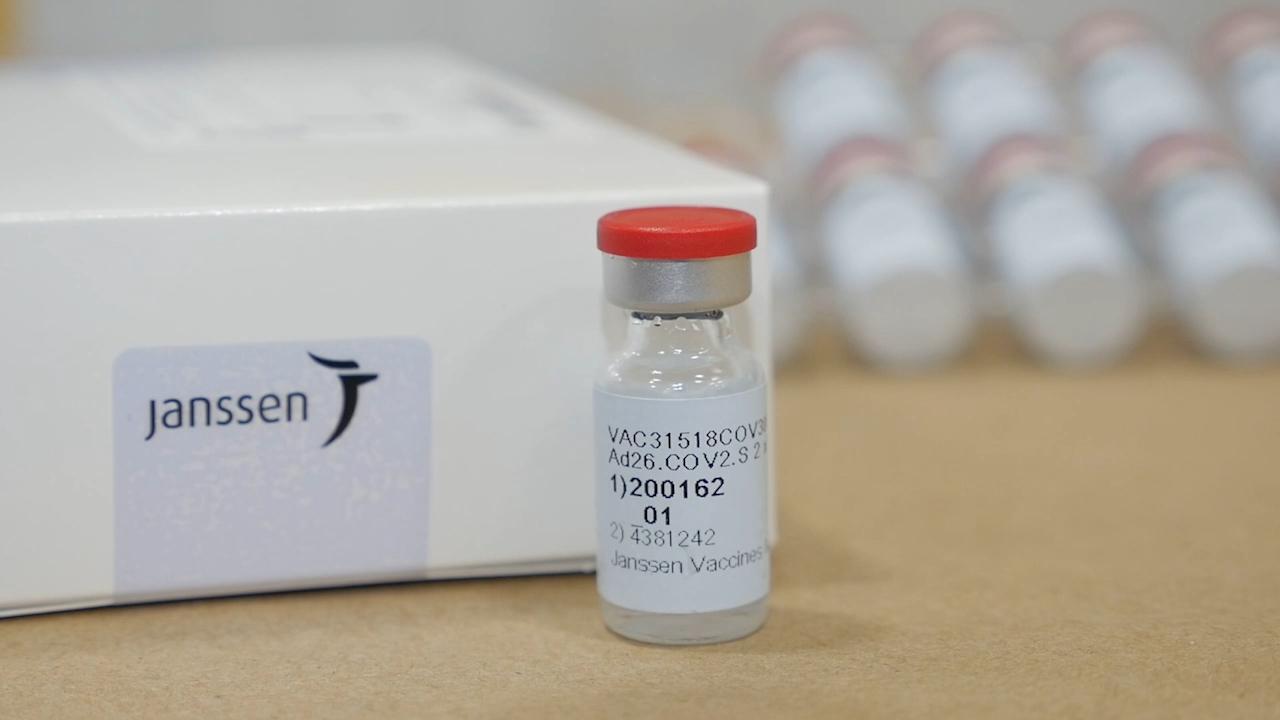
'By taking centralised action, the EU provided emergency support for the delivery of medicines, vaccines, and protective equipment to all member states,' the report states. File picture
The Covid-19 pandemic showed that the EU lacked the tools to handle a severe health crisis and laid bare healthcare inequalities across the bloc, a report by one of its own agencies has found.
A policy report by the Dublin-based European Foundation for the Improvement of Living and Working Conditions, known as Eurofound, said that co-ordination failures at the beginning of the crisis delayed action.
"The EU missed an opportunity to create a European health community in 1952, when, in front of representatives of European states, Robert Schuman proposed that Europe should present a common front against diseases."
The report's authors said that although many member states improved their spending on health from 2008 to 2019, and the number of practising doctors and nurses grew steadily, medical staff shortages persisted.
"The gap between countries widened partly due to the migration of healthcare professionals, and countries with existing labour shortages in healthcare saw their situation deteriorate further, hindering their ability to catch up with the rest of the EU," state authors Anamaria Maftei, Jens Carstens, and Massimiliano Mascherini.
There were huge disparities in the number of infections and deaths between member states, with responses from each varying in time and intensity, the report found.
This exposed structural inequalities in healthcare capacity and emphasises the need for a co-ordinated EU exit strategy to achieve faster progress in controlling a pandemic, they said.
A European health union, mooted by commission president Ursula von der Leyen in her September 2020 state-of-the-union address, would reinforce the crisis preparedness of the EU, the authors state.
"The current health crisis is a historical opportunity for EU leaders to rethink the role of public health within the union, leading to closer co-operation between the EU and its member states.
"Despite the co-ordination failures at the beginning of the crisis that delayed action, the EU managed to adapt in an area that had been a national responsibility.
"By taking centralised action, it provided emergency support for the delivery of medicines, vaccines, and protective equipment to all member states.
"It gave proof of solidarity with global partners, the EU being the world’s leading provider of vaccine doses and one of the biggest donors of the global vaccine initiative Covax. It also stepped up its role as a key strategic actor within the World Health Organisation (WHO).
"Through these massive efforts, the EU strengthened its position at the international negotiating table, seeking to become a more assertive voice in future health emergencies," the report states.
Despite improvements, the disparity in doctors and nurses across the member states remains a key issue.
Between 2008 and 2016, the number of general and specialist doctors grew steadily in the EU, but the increase was modest, from 3.2 to almost 3.6 physicians per 1,000 people, the report says.
Countries already with the most doctors grew numbers the most, while other countries saw numbers decline.
"These developments deepened existing disparities between countries (particularly after the Great Recession) and hindered the ability of poor-performing countries to catch up with the rest of the EU," the authors said.
CONNECT WITH US TODAY



Be the first to know the latest news and updates