'We can't sweep under the carpet what happened to women in Defence Forces'
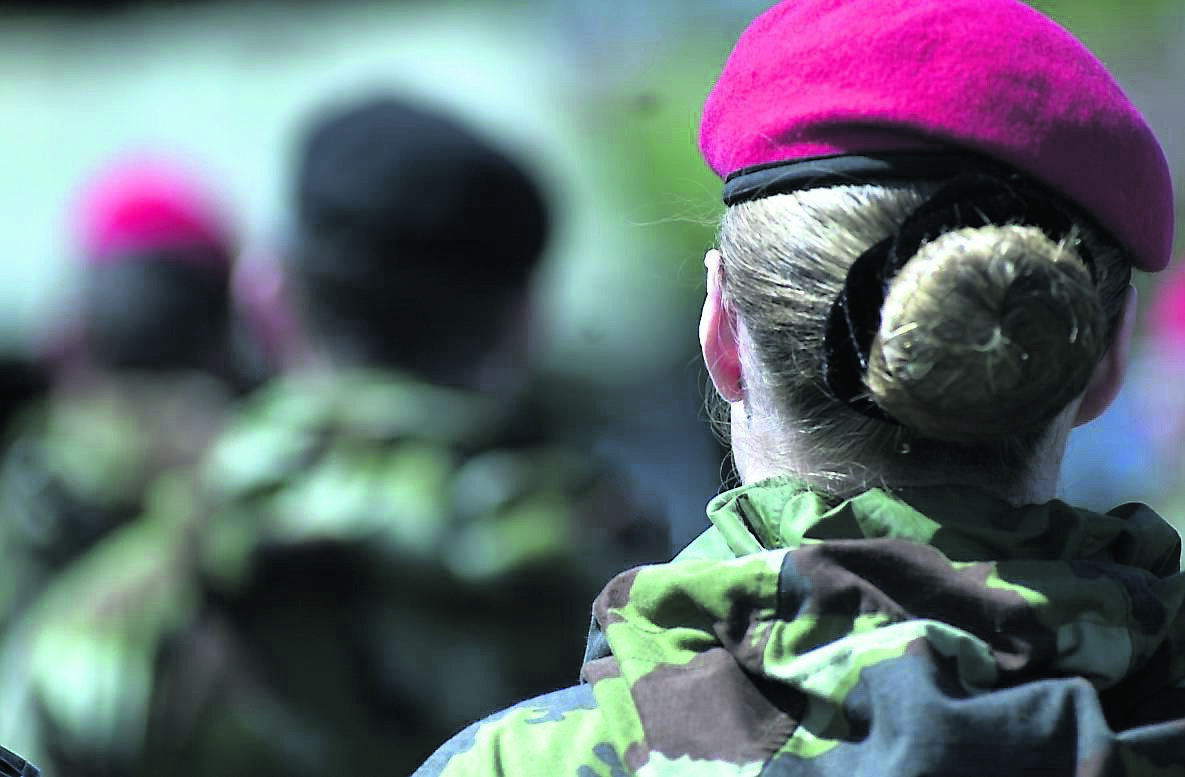
Retired army captain Deirdre Byrne, one of the Women of Honour who will meet with the Minister for Defence Simon Coveney today, said that there needs to be an acknowledgement and an apology about what happened to women who left the defence forces.
The meeting follows on from the explosive RTÉ radio documentary by broadcaster Katie Hannon, which offered a damning account by female former members of the army and navy, detailing sexual assault and harassment by male colleagues and superiors, and job discrimination against female members with children.
“It's hugely important. We've all experienced various different things over the years and for that to be swept under the carpet in this day and age is absolutely outrageous — no change will come about if there isn't an acknowledgment of what has happened and an apology is absolutely deserved,” she told RTÉ radio’s .
“But the most important thing for us is to get the acknowledgement and the apology and move forward. This is about making change for men and women now, for the people coming after us. I'm from a military family, and I want to be in a position where my son and my daughter can go into the defence forces and I can be proud and comfortable that they can do that.”
Ms Byrne, who was the first female engineer in the permanent defence forces said it had been very isolating over the years. “To group together as a strong group of women standing and being able to finally voice, loudly, the issues that we feel need to be addressed is hugely empowering for us.”
There had been countless reports, reviews, issues raised and investigations over the years, she said. “This needs to be different, it needs to be an entirely external, independent review similar to the other militaries around the world. We are pushing hard to see can we finally get the change we fought for independently for so many years.”
A meeting last week with officials in the Department of Defence had been positive, she said. “We were able to go into the details of our experiences and what we felt needed to happen at this point and we felt we were heard.
“It needs to be a full review of the entire complaints process — that is the commonality with all of the women and the issues and it's not just women, it is men and women who have suffered and when you get into the complaints process, if you are able to get into the complaints process because the culture is so damning, that if you do complain it can destroy your career so you know you're in big trouble if you go down that road anyway, but then when you do get into that, if you feel you have to, it's another end to your career at that point, so it needs to be a complete review of that entire system with a radical overhaul going down the line.
“A key point for us was accountability going forward and our inclusion in the process to ensure that it's fair and fit for purpose.”
“This is the one key thing that we would love people to understand — the defence forces is not a job, it is a vocation. You go in there, you don’t do it for the money, you do it for your country, because you’re proud to serve — we had to leave those roles, those jobs, the vocation that we absolutely loved because we had no choice, we had to leave.
“I would still be there today I have no doubt, following in my own father's footsteps who did 31 years, so this is a vocation. We don’t go in lightly and we don’t leave lightly. We just had no choice.”
CONNECT WITH US TODAY



Be the first to know the latest news and updates