Number of teenage boys smoking rises for first time in 25 years
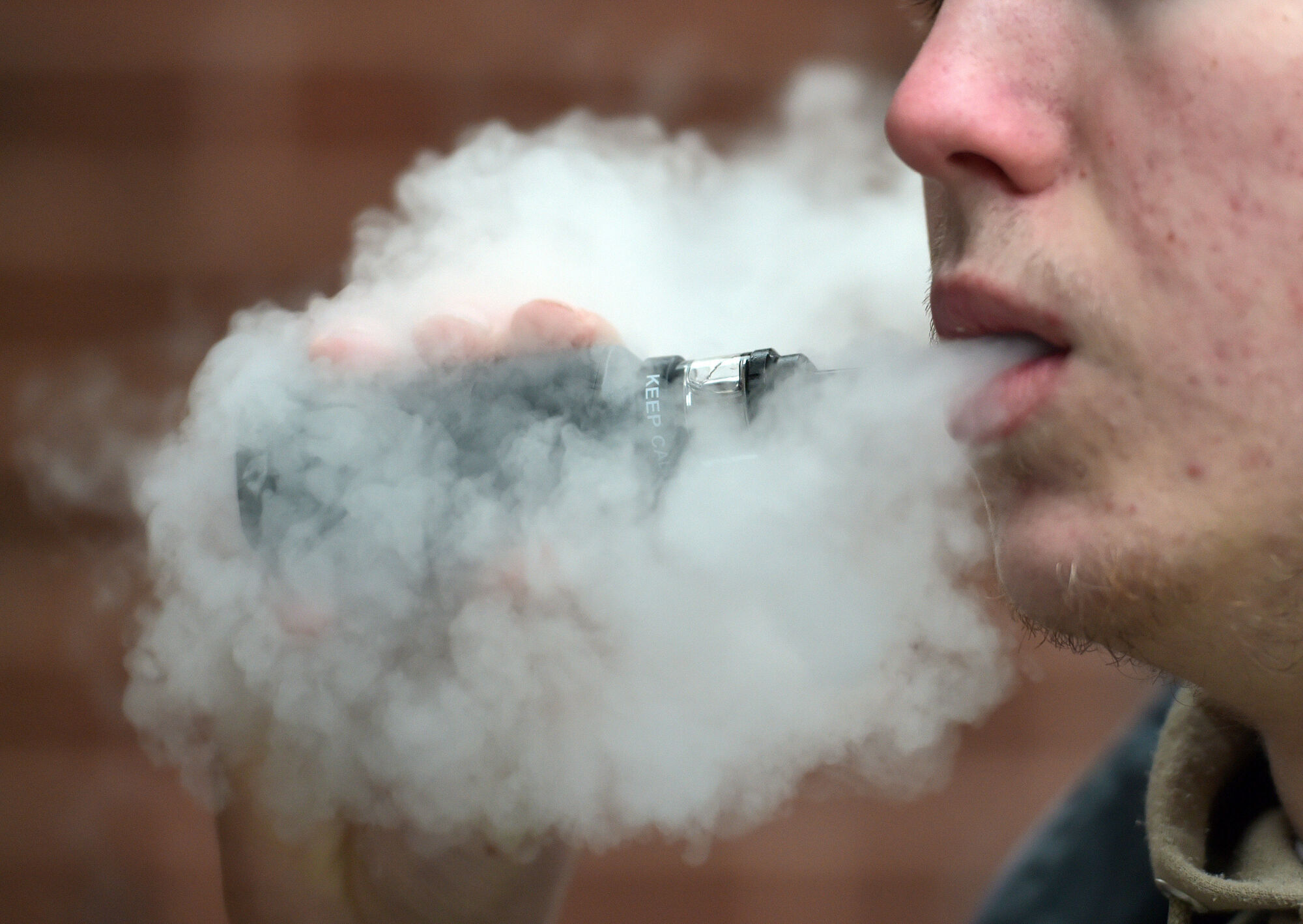
The data also showed teenagers who said they had used e-cigarettes at some point or were currently using them were also 50% more likely to smoke. File picture
The rate of smoking in teenage boys has increased for the first time in 25 years, new Irish research suggests.
The study, from the TobaccoFree Research Institute, also shows that rates of vaping among teenagers have risen in the past four years and that teenagers who use e-cigarettes are more likely to smoke.
It was published in journal.
The researchers examined data on Irish teenagers from the European School Survey Project on Alcohol and Other Drugs (ESPAD), a survey of about 100,000 15- to 16-year-olds, conducted every four years in 35 European countries.
There were 1,493 Irish teenagers involved in the 2015 survey and 1,949 teenagers in the 2019 survey.
Results from the 2019 survey showed that 16.2% of boys were smokers, compared to 13.1% in 2015, while the number of girls who smoked remained unchanged from the 2015 to the 2019 surveys, at 12.8%.
In 2015, 23% of teenagers said they had used e-cigarettes at some point, and this increased to 37% in 2019.
In 2015, 10.1% said they were currently using e-cigarettes, and this increased to 18.1% in 2019.
The data also showed teenagers who said they had used e-cigarettes at some point or were currently using them were also 50% more likely to smoke.
Professor Luke Clancy, director general of the TobaccoFree Research Institute Ireland, raised concerns about the links between e-cigarettes and smoking.
"There’s also a concern that they could lead to an increase in smoking,” he said.
The Irish Government has aimed to make the country “tobacco-free” by 2025, meaning the rates of smoking should be below 5%.
“Our previous research suggested this goal may not be met for the whole population, but, until now, we thought it could be achieved in teenagers,” he said.
“That now looks very unlikely, meaning that smoking and all the death and disability that is associated with it will continue.”
Jonathan Grigg, chair of the European Respiratory Society Tobacco Control Committee and professor of paediatric respiratory and environmental medicine at Queen Mary University of London said any increase in teenage smoking rates was “extremely concerning”.
“The rise in use of e-cigarettes is also worrying. Teenagers need to know that e-cigarettes are not harmless in themselves, and this study indicates that using e-cigarettes is also linked to smoking,” he said.
CONNECT WITH US TODAY



Be the first to know the latest news and updates