Crime-solving capacity of DNA database keeps growing 
Crime-solving capacity of DNA database keeps growing 

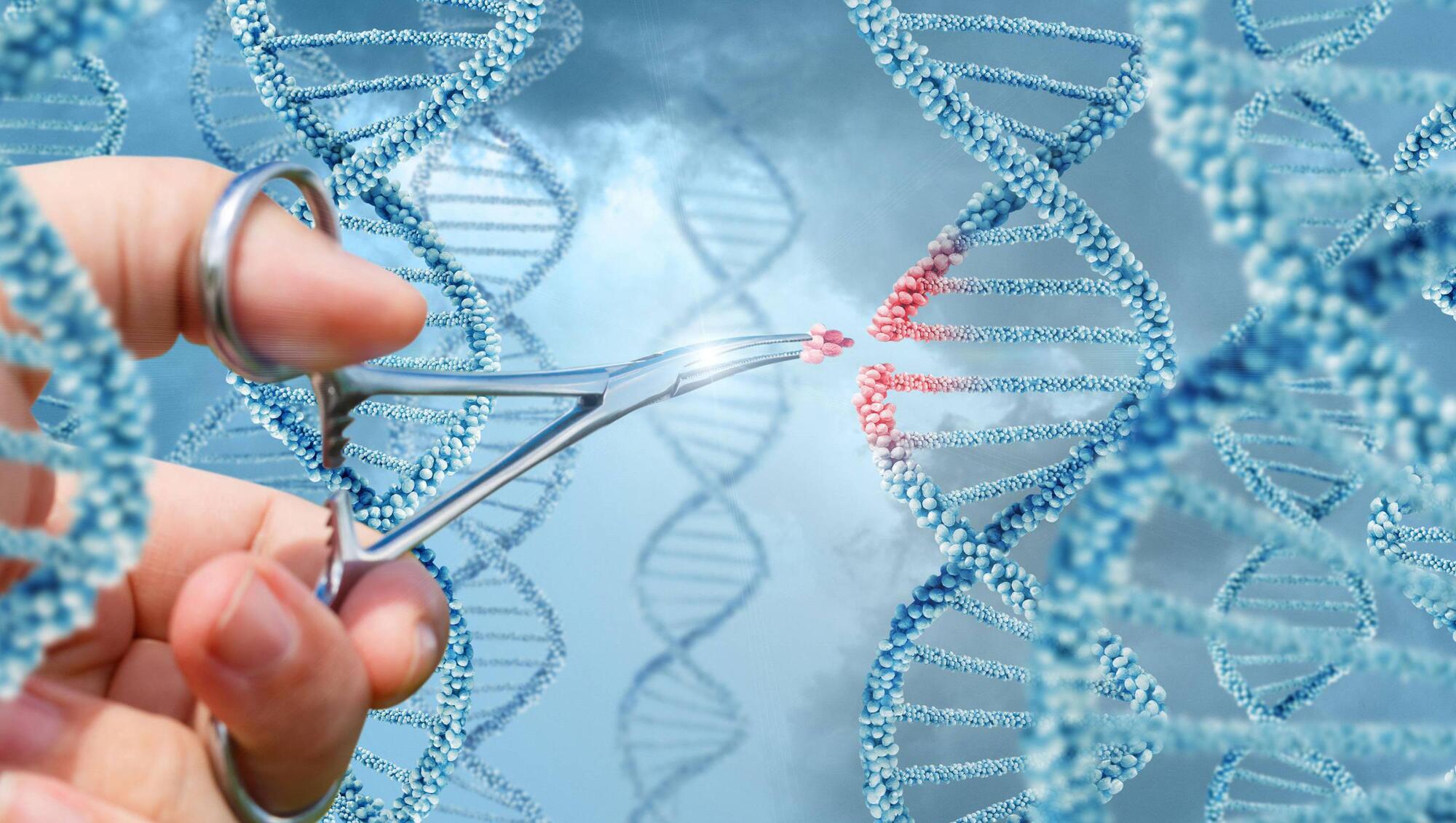
The latest annual report of the DNA Database System Oversight Committee reveals 1,102 Garda investigations benefitted from a total of 856 hits identified by officials at Forensic Science Ireland during 2020. File picture

More than 1,100 criminal investigations were assisted last year as a result of “hits” from the State’s DNA database, which matched samples from suspects and offenders with forensic evidence from crime scenes.

The latest annual report of the DNA Database System Oversight Committee reveals 1,102 Garda investigations benefitted from a total of 856 hits identified by officials at Forensic Science Ireland (FSI) during 2020.

It represents an increase of almost 100 additional investigations where a DNA match assisted gardaí over 2019 figures.

The oversight committee chairperson, Judge Catherine Murphy, said the crime-solving capacity of the DNA database continues to grow, with 47% of crime scene samples last year linked to an individual – up from 43% in 2019.

The number of DNA profiles of suspects and offenders on the FSI database increased by 31% last year to 36,196 – a net addition of almost 9,000 profiles.

8,337 profiles of unknown persons from crime scenes

The database also contains 8,337 profiles of unknown persons from crime scenes.

The report shows 11,569 DNA samples were destroyed last year and 5,576 profiles were removed from the database as required under legislation.

The report revealed that FSI established 495 matches last year as a result of an exchange programme of DNA information with eight other countries, including the UK, the Netherlands, Poland and Sweden, with the list of other EU member states participating in the exchange set to expand during 2021.

A total of 313 cases involved matching DNA material from a crime scene in Ireland with the DNA profile of someone on the database of another country.

In addition, 147 cases linked DNA from a foreign crime scene with an individual on the Irish database, while 35 DNA profiles matched a crime scene in Ireland with another one abroad.

The majority of matches involved records from the DNA database held by the UK authorities.

Judge Murphy said the oversight committee regarded the operation of the State’s DNA database system as being very successful to date due to the hard work and professionalism of FSI and the force’s National Forensic Coordination Office.

The judge also welcomed the fact that concerns raised in its 2019 annual report had been addressed, including the non-submission by gardaí of DNA samples to FSI for processing over a specified period.

She said an investigation carried out by gardaí into the matter had established the causes of the non-submissions and made recommendations to deal with the issue on an ongoing basis including increased training and accountability.

New state-of-the-art forensic laboratory

Judge Murphy also welcomed progress on the development of a new state-of-the-art forensic laboratory at Backweston, Co Kildare, which is scheduled for completion in summer 2022.

All FSI staff, who are currently based at Garda headquarters in the Phoenix Park, are due to be relocated to the new facility by early 2023.

“To an ever-increasing extent, the development and success of our criminal justice system is dependent on the effectiveness and integrity of the DNA database system and on the ability of appropriate staff members to respond in a timely and professional manner to the requirements of criminal investigations,” Judge Murphy said.

More in this section

Lunchtime News

Newsletter

Keep up with stories of the day with our lunchtime news wrap and important breaking news alerts.

Cookie Policy Privacy Policy Brand Safety FAQ Help Contact Us Terms and Conditions

© Examiner Echo Group Limited