Niamh Griffin: The vaccine booster conundrum, do we share or hoard?
The decision to go for a partial rollout rather than a booster-for-all approach is an important one — every shot given to those who don't need it potentially means an unvaccinated person in the developing world is left waiting longer.
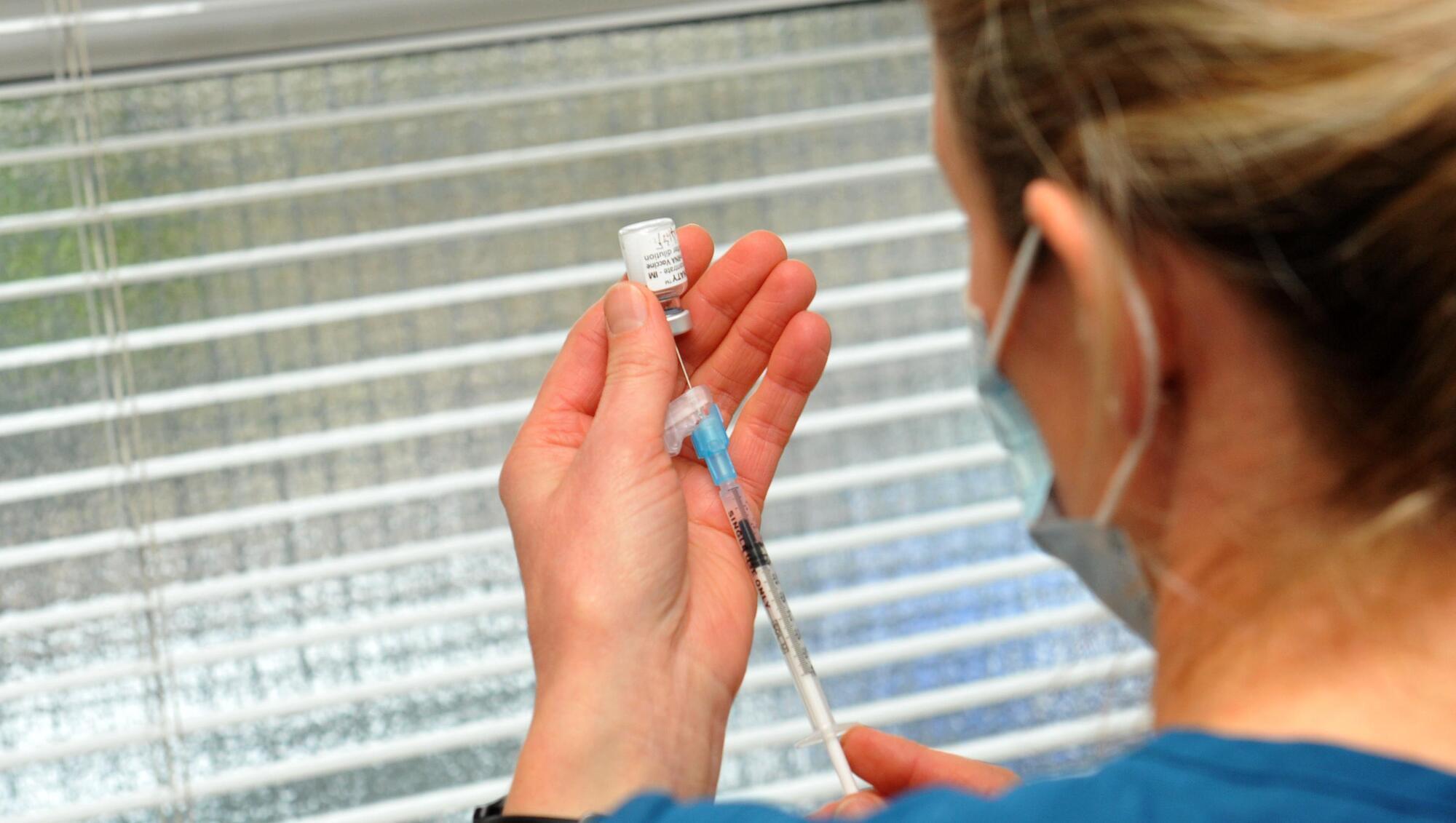
Ireland is set to roll out a partial vaccine booster campaign against Covid-19, targeting only vulnerable groups and healthcare workers.
The decision to go for a partial rollout rather than a booster-for-all approach is an important one — every shot given to those who don't need it potentially means an unvaccinated person in the developing world is left waiting longer.
While nobody wants to be responsible for another wave of domestic infections, the inequity of the global vaccination programme must be taken into consideration.
So far, most European countries are drifting the same way as Ireland, with targeted third shots an extension of the first rollout for specific cohorts of people.
In Ireland, boosters will likely be given to older people in the community and in residential settings, health staff, and immunosuppressed groups.
The European Medicines Agency has not advised general boosters, and is reviewing the available data.
“It is currently too early to say if booster doses will be needed,” it said.
Israel has jumped ahead with widespread boosters. It released data this week showing over-60s who received a Pfizer booster had five to six times greater protection 10 days after the third shot against serious illness and hospitalisation.
The Israeli net is broadening to over-40s and some younger vulnerable groups.
Exceptions to the limited approach in Europe include Austria and Germany which are also offering an extra Pfizer shot to anyone who had an AstraZeneca or Janssen jab.
The World Health Organization (WHO) has come down firmly against the need for widespread boosters.
David Nabarro, Covid-19 special envoy with the WHO, made an impassioned plea directly to Ireland just days ago.
“You [Ireland] are on the United Nations Security Council, you are a hugely respected country by nations around the world,” he told Newstalk. “If Ireland can say we don’t think there is a case for all our people to be given booster shoots, at least now, then perhaps other people will listen.”
There seems to be growing disquiet here at the prospect of vaccine stockpiles while people in developing countries go without.
Pharmacists working in mass vaccination centres have warned there could be “thousands of Janssen” vaccines thrown out here. A HSE audit into potential vaccine dumps continues.
But in a week when there has been more focus on how the Beacon Hospital handled 20 extra doses, it is unsettling, to say the least, to imagine boxes of vaccines being disposed of as they expire.
The head of Ireland's vaccine taskforce Brian MacCraith indicated that these conundrums arise from the huge successes of the Irish rollout — promoting vaccination so well that we would all sign up if boosters are recommended and also procuring more than enough doses for the population.
However, Ireland is part of the international Covax vaccine movement, meaning any vaccines we have ordered but do not accept could be donated to developing countries.
Looking at the success of the Irish Unicef 'get a vaccine, give a vaccine' campaign with over 1.8m doses now donated, it would seem the public would prefer to share, not hoard.

BLACK FRIDAY
Already a subscriber? Sign in

CONNECT WITH US TODAY



Be the first to know the latest news and updates