Nursing home owners frustrated at slow pace of reform
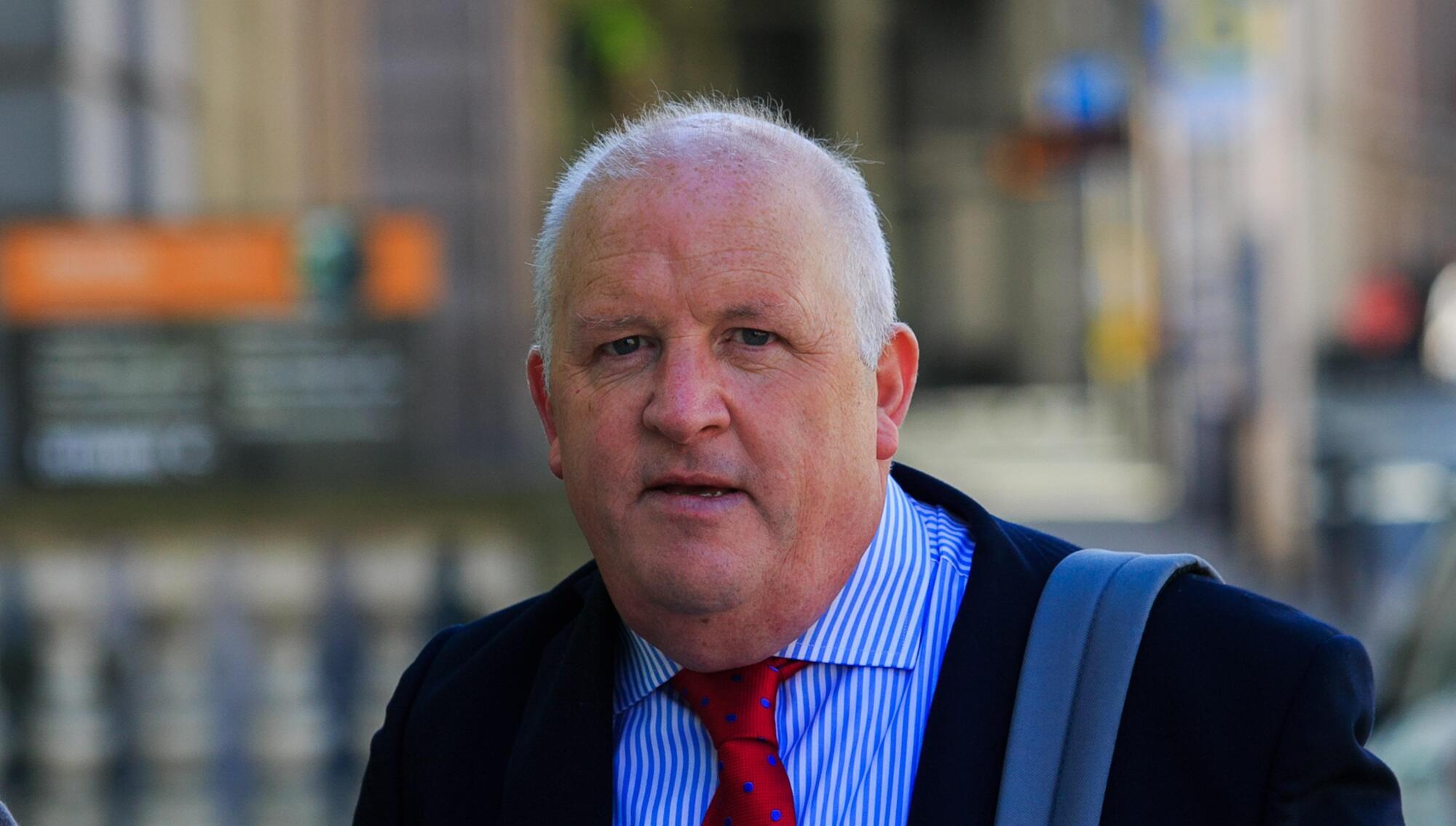
Tadhg Daly CEO Nursing Homes Ireland: “There is requirement for government to ensure this defining moment for nursing home care delivers real change for nursing home residents.” Photo: Gareth Chaney/Collins
One year on from a landmark report which aimed to revolutionise the nursing home sector, a scathing analysis claims little has changed.
The Covid-19 Nursing Homes Expert Panel report, published in August last year, set out 86 recommendations with an 18-month time-frame for change.
However, Nursing Homes Ireland (NHI) says its members are “frustrated” at the slow pace of reform in crucial areas.
The organisation represents private and voluntary homes which host 80% of the 32,000 residents living in nursing homes. Many homes were stricken by fatal outbreaks of the virus, with 56% of all Covid-19 deaths in Ireland among residents.
NHI CEO Tadhg Daly said: “There is requirement for government to ensure this defining moment for nursing home care delivers real change for nursing home residents.” Analysis carried out for NHI by Accenture, found three underlying challenges which must be addressed.
They have called for an “updated integrated model of care for older persons”, a “revised funding model” and a “comprehensive workforce strategy”.
NHI members are calling for a “new single, multi-agency body” which would bring the public and private sector together and eliminate what the report refers to as an “often siloed and complex web of relationships”.
Mr Daly highlights the slow pace of acting on the Expert Panel’s report as concerning for residents.
“It cannot be countenanced the recommendations, which were delivered after Covid-19 brought long-standing structural issues to the fore, will be left hanging by the State,” he said.
Complex issues including how to work more closely with local GPs when residents often come to the home with an already-established family doctor relationship are not being addressed, the NHI report found.
Many recommendations addressed infection control issues, but nursing homes report a lack of qualified staff. The analysis notes the crisis in staffing with many “at risk of burnout” and homes claiming they cannot offer the same salaries as the HSE does.
Mr Daly said the big ticket structural issue of integrating private and voluntary homes with the HSE social care services has seen “little engagement” from those involved.
The analysis says it is time to move past reports, noting at least seven documents including extensive guidelines have already been published.
“The challenge is not defining 'what needs to happen?', the challenge is in the 'how',” it found.
However, the analysis found good progress made through the HSE Covid-19 response teams in improving communications between homes and the HSE.
It highlights that “a huge amount of good work” has started although calling for more urgent action. It notes there is “strong commitment and goodwill” to bring the Expert Panel report to life.
There are demographic pressures at play too, with predictions that the population of over-85s will increase by 104% in 20 years’ time.