European Commission raises concerns over new judicial appointment law
European Commission raises concerns over new judicial appointment law

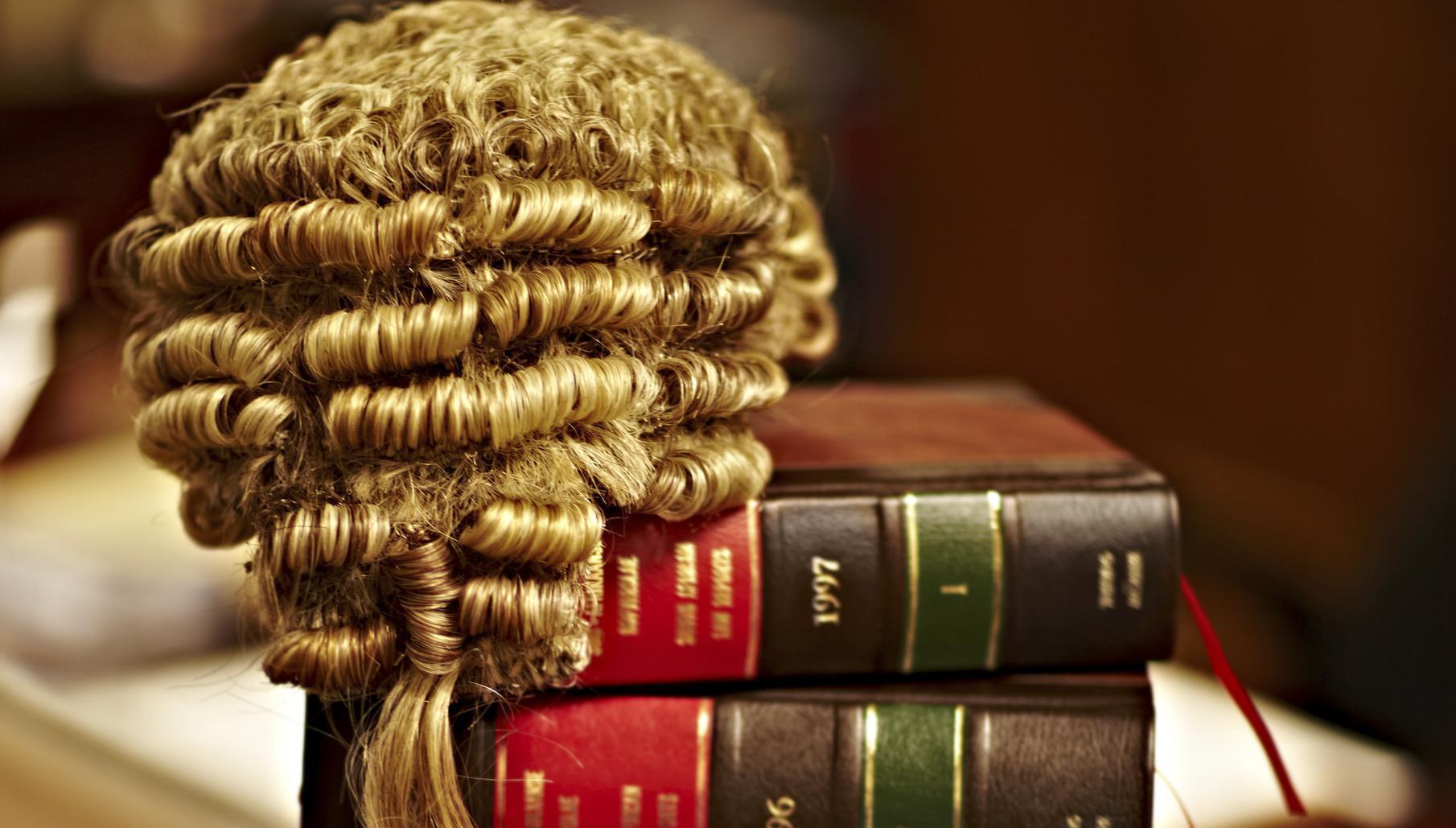
'It is important that this reform guarantees judicial independence, taking into account European standards,' the European Commission. File picture.

The European Commission has raised concerns over a new draft law changing how judges are promoted and appointed in Ireland, saying that it continues to give the Government discretion on judicial appointments.

In its second ‘Rule of Law’ report, the European Commission has found a “high level of perceived independence”, but flagged concerns over the judicial appointments process.

The level of independence of courts and judges is perceived as ‘fairly good’ or ‘very good’ by 73% of the general population and by 77% of companies, and has remained stable since 2016, the report notes.

While new legislation on how judges are appointed will alleviate previous concerns, it will continue to give the Government “broad discretion” on appointments as it is not bound by shortlisted candidates, who are not ranked, although decisions must be published.

The new General Scheme, expected to be tabled later this year, provides for the establishment of a nine-member Judicial Appointments Commission (JAC) to replace the current Judicial Appointments Advisory Board (JAAB). The JAC would present five unranked candidates to the Government. 

But concerns remain around the “broad discretion” left to the Government.

This discretion is further amplified by the possibility for the Government to select an applicant who is not in the list prepared by the Commission, without the need to give reasons,” the report states. 

"The Government considers that this discretion is required by the constitutional provisions stating that judges are appointed by the President.

“It is important that this reform guarantees judicial independence, taking into account European standards.”

The report also highlights Ireland’s “limited resources and institutional fragmentation” to tackle and punish corruption. While corruption prevention and integrity measures are in place, challenges remain in the area of enforcement, in particular on asset disclosure and lobbying, the report finds.

It also notes concerns that the Standards in Public Office Commission is not adequately resourced, but that a capacity review is planned.

x

More in this section

Lunchtime News

Newsletter

Keep up with stories of the day with our lunchtime news wrap and important breaking news alerts.

Cookie Policy Privacy Policy Brand Safety FAQ Help Contact Us Terms and Conditions

© Examiner Echo Group Limited