Campaigners call for better protections for young people online
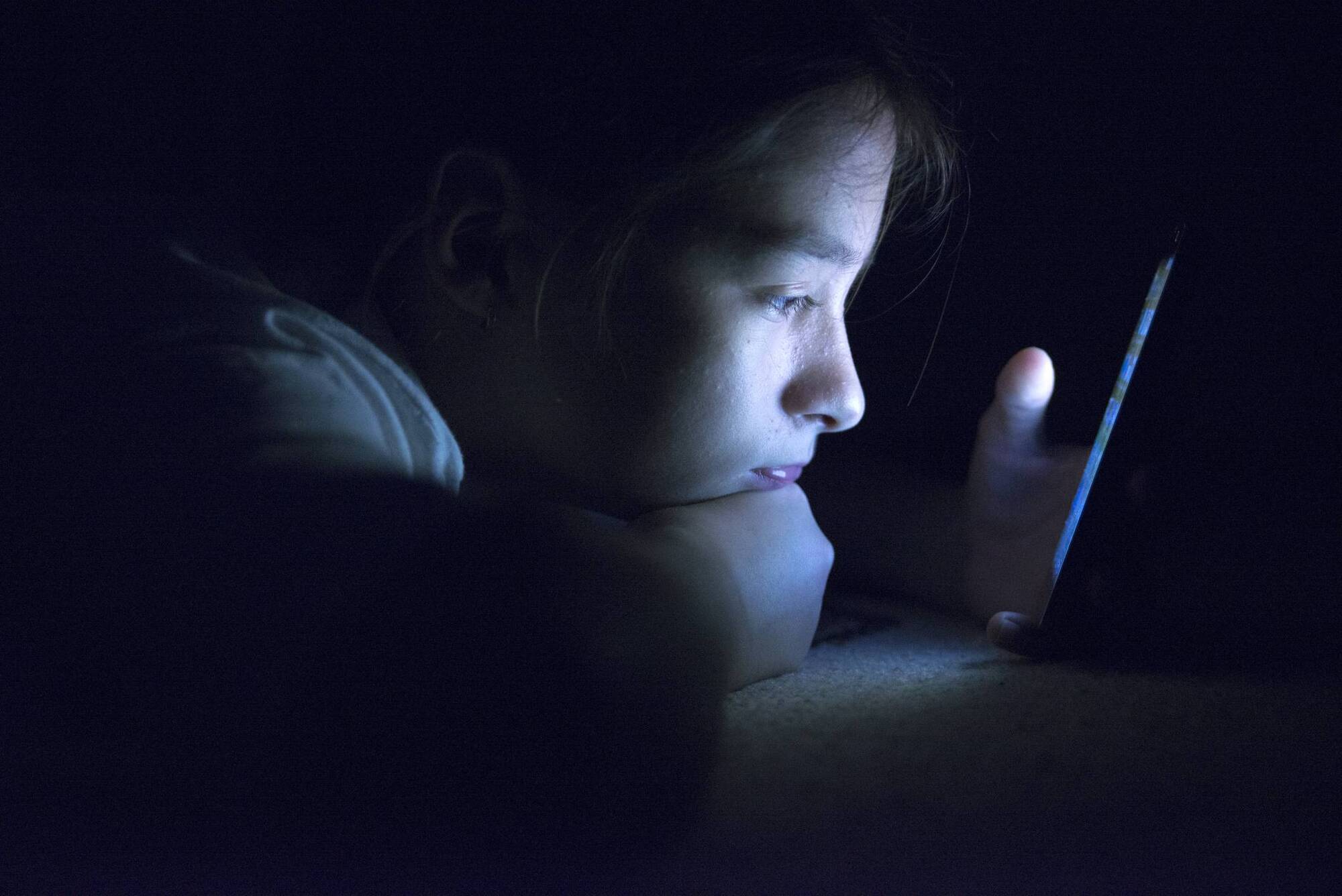
Better education and awareness about online safety are needed, campaigners have said.
Any new online safety commissioner would need powers to take on tech giants, with the Children's Rights Alliance claiming an individual complaints mechanism is needed to protect children and young people online.
The call was made at the launch of a new online safety campaign, based around calls for the appointment of an online safety commissioner, increased educational and community awareness programmes on online safety, and an individual complaints mechanism to ensure children and young people whose rights are not respected by the online providers and who have exhausted all appropriate channels with the relevant platform have access to an effective remedy.
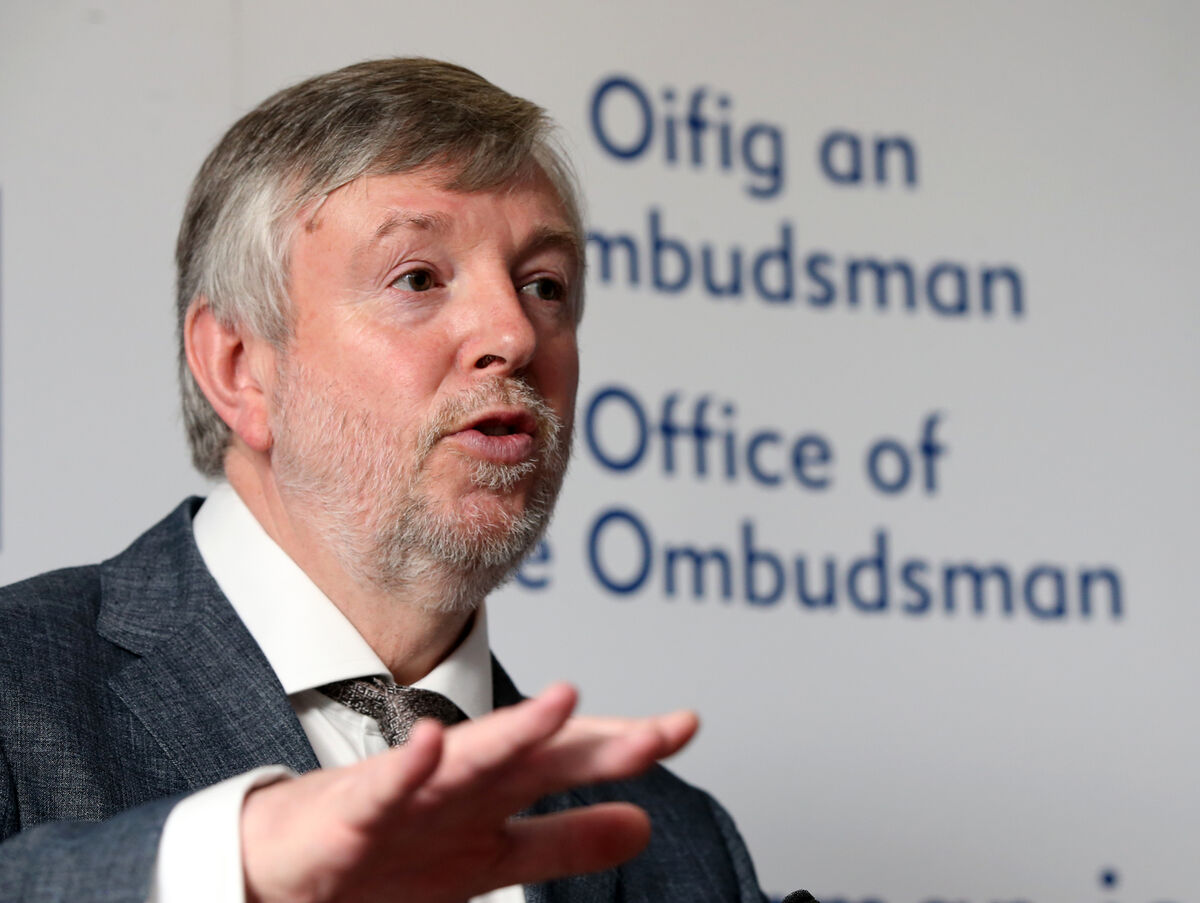
An online panel discussion at the launch of the 123 Online Safety campaign included input from Dr Karen McAuley, head of policy at the Office of the Children's Ombudsman, Noeline Blackwell, chief executive of Dublin Rape Crisis Centre, and the Ombudsman and Information Commissioner, Peter Tyndall.
The campaign comes as the Government contemplates the new Online Safety and Media Regulation Bill, which does include the provision of an online safety commissioner, but according to the alliance, the post as currently envisaged does not have sufficient powers.
Tanya Ward, chief executive of the Children’s Rights Alliance said: “It’s simply not good enough that Government is contemplating putting an online safety commissioner in place with no teeth to help individual children and young people who are up against big tech.
“We know children and families can have serious trouble resolving issues and complaints with social media platforms. To solve this, we want to see an online safety commissioner that plays a central role in setting a high bar for safety and is sufficiently resourced to act when platforms and companies fall below that threshold."
Peter Tyndall said: "The purpose of my office, and I imagine it will be similar for a newly established online safety commissioner's office, is ultimately to help people find a resolution when their voices are not being heard by the body who has made a decision that is not in line with fair procedures.
Dr McAuley said the general scheme of the Online Safety and Media Regulation Bill was an important opportunity to strengthen the protection of children from harmful online content, but she was concerned the current proposals may not be sufficient to uphold children’s right to an effective remedy.
"There is currently no provision for the media commission to deal with individual complaints, including complaints from children themselves, in relation to how online services deal with harmful online content and we see that as a significant gap," she said.

CONNECT WITH US TODAY



Be the first to know the latest news and updates