Children felt lonelier and more stressed in January lockdown than previous restricted periods
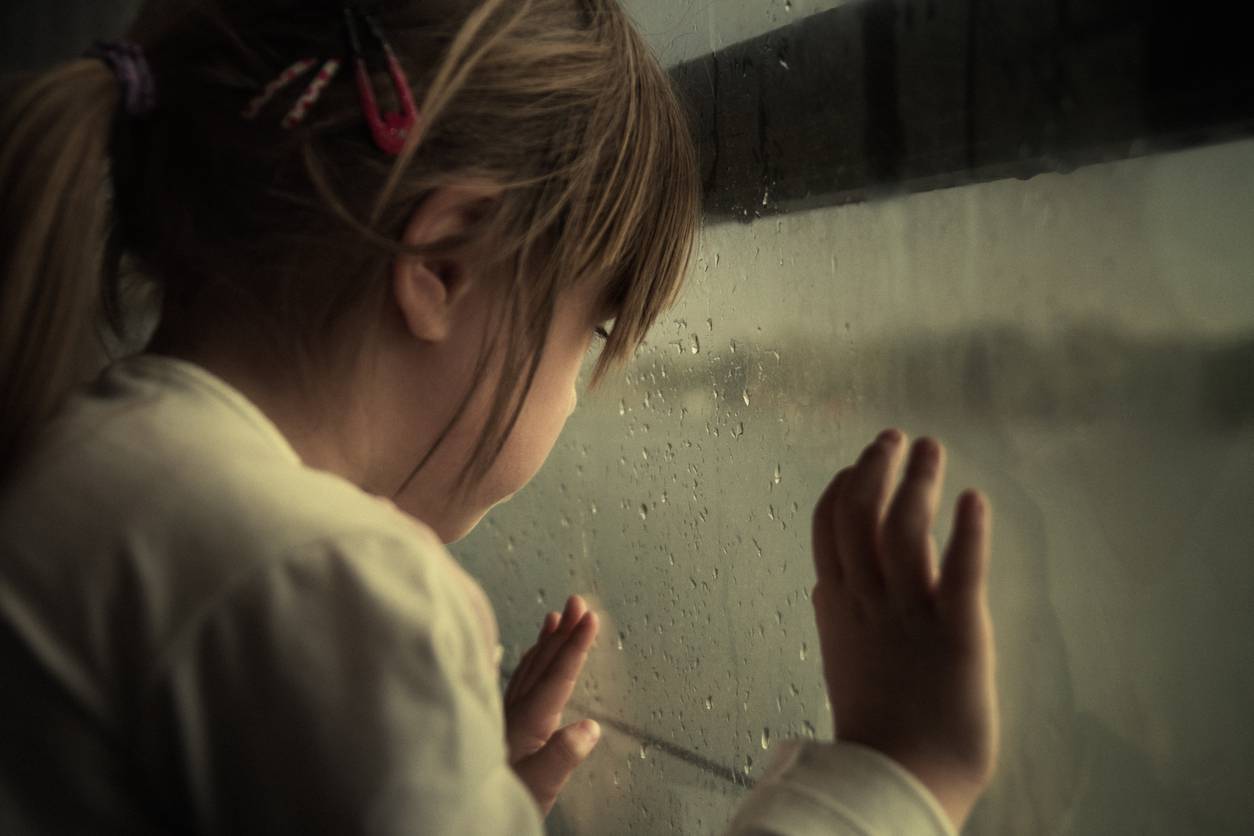
Children engaged less with their friends last January and February than during the first lockdown. File picture: iStock
The lockdown last January and February hit many children harder than the first pandemic lockdown, with new reports showing a significant minority of those at school felt their progress had been hindered, alongside heightened levels of social isolation.
The reports by the Inspectorate of the Department of Education are based on phone and online surveys and focus groups with hundreds of school principals, parents, and students, as well as with people involved in special schools and Youthreach centres.
They are the first inspectorate reports to look at January and February, when remote learning and homeschooling became a daily feature in households around the country.
The reports found that while respondents were broadly positive about remote learning, children and young people engaged less with their friends last January and February than during the first lockdown.
"There were significant numbers of children and young people who seemed to have experienced isolation in terms of lack of social contacts in January and February this year."Â Â
The reports also found that the majority of parents of children attending special schools indicated that their child did not have regular opportunities to communicate with friends, while less than half of parents of primary pupils indicated that their child had regular chances to communicate with friends.
There were some issues over a fall-off in exercise. "It is a matter of some concern to note that over one-fifth of primary parents, almost two-fifths of parents of children attending special schools and almost one-third of post-primary parents indicated that their child did not exercise regularly," said the summary report.
The majority of students indicated that they found learning from home to be more difficult than learning in their school or centre, and one-third of sixth-year post-primary students and almost a quarter of students in Youthreach centres said their experience of learning from home had not been good.
Less than half of parents with a child in special education said their child’s class teacher contacted their child daily or almost daily. In this group, 72% of parents said their child did not have opportunities to communicate regularly with their friends.
At a time of increased stress and anxiety, parents reported their concerns. One said, “my son cries every evening”, while another said, “my daughter was fine at the beginning but now she bursts into tears… it has a massive impact on them and also on family life… it’s appalling”.