Hiqa: Insufficient evidence for interventions, other than vaccines, to prevent Covid-19
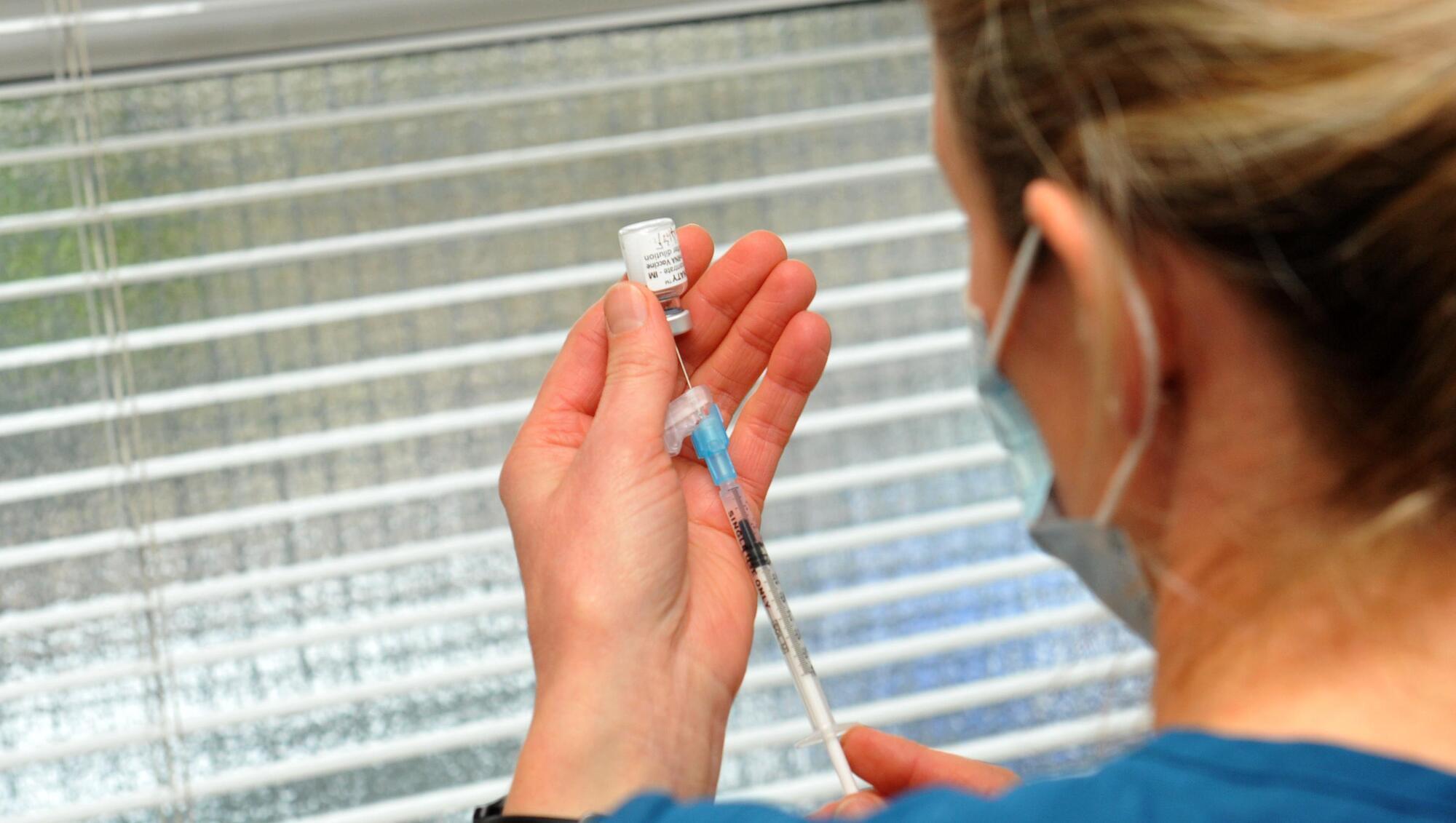
"We would encourage anyone who has the opportunity to avail of the Covid-19 vaccine to do so, as it continues to be the most effective safeguard against serious illness due to COVID-19.”
There is insufficient evidence for any interventions, drug-related or otherwise, to reduce the risk of or prevent Covid-19 other than vaccines.
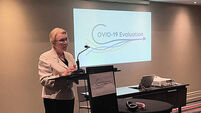
Dr Máirín Ryan, CEO of the Health Information and Quality Authority (Hiqa) said vaccines continue to be the "most effective safeguard" against the coronavirus.
Hiqa issued this advice today to the National Public Health Emergency Team (Nphet) after examining 46 cohort studies.
Hiqa identified five relevant drug trials, four of which considered ivermectinm - a drug used to treat parasitic worm infestations - and an immune therapy drug, bamlanivimab, and found a lack of "high-quality evidence" that these drugs can be safely used to prevent or reduce the risks of Covid-19.
The European Medical Agency (EMA) has strongly advised against using ivermectin to prevent or treat Covid-19, while bamlanivimab has been approved for treating patients with severe Covid, but it has not been approved for prevention.
Dr Ryan, says there are potential risks associated with all interventions and require "robust assessment" to ensure they are safe and effective.
"This is important given the serious risk of harm associated with unproven interventions," Dr Ryan said.
"We would encourage anyone who has the opportunity to avail of the Covid-19 vaccine to do so, as it continues to be the most effective safeguard against serious illness due to Covid-19.”
However, Hiqa said there a number of things that individual people can do to improve their own health and possibly reduce the risk of poor Covid-19 outcomes.
These include maintaining a healthy weight, not smoking, exercising often, being Vitamin D sufficient and moderating alcohol consumption.
Dr Ryan added: “As restrictions begin to ease and individuals are vaccinated, it is important to empower individuals to take ownership of their health and to highlight that small steps can lead to benefits in health status."
Meanwhile, Fewer than 80,000 Johnson and Johnson vaccines will have been delivered throughout the month of June revised down from an initial 500,000 scheduled to arrive.
National Lead for the Covid-19 Vaccination Programme Damien McCallion says the figures for Johnson and Johnson is at the lower end of the scale.
"The original forecast in June was around 470,000 but because of the manufacturing problems in the US, that was revised down to a best-case of 235,000 and a worst-case of over 60,000, he said.
"I would anticipate have been closer to that sort of worst-casee scenario based on the recent feedback from Janssen."