Covid vaccine portal opens for those aged 35 to 39
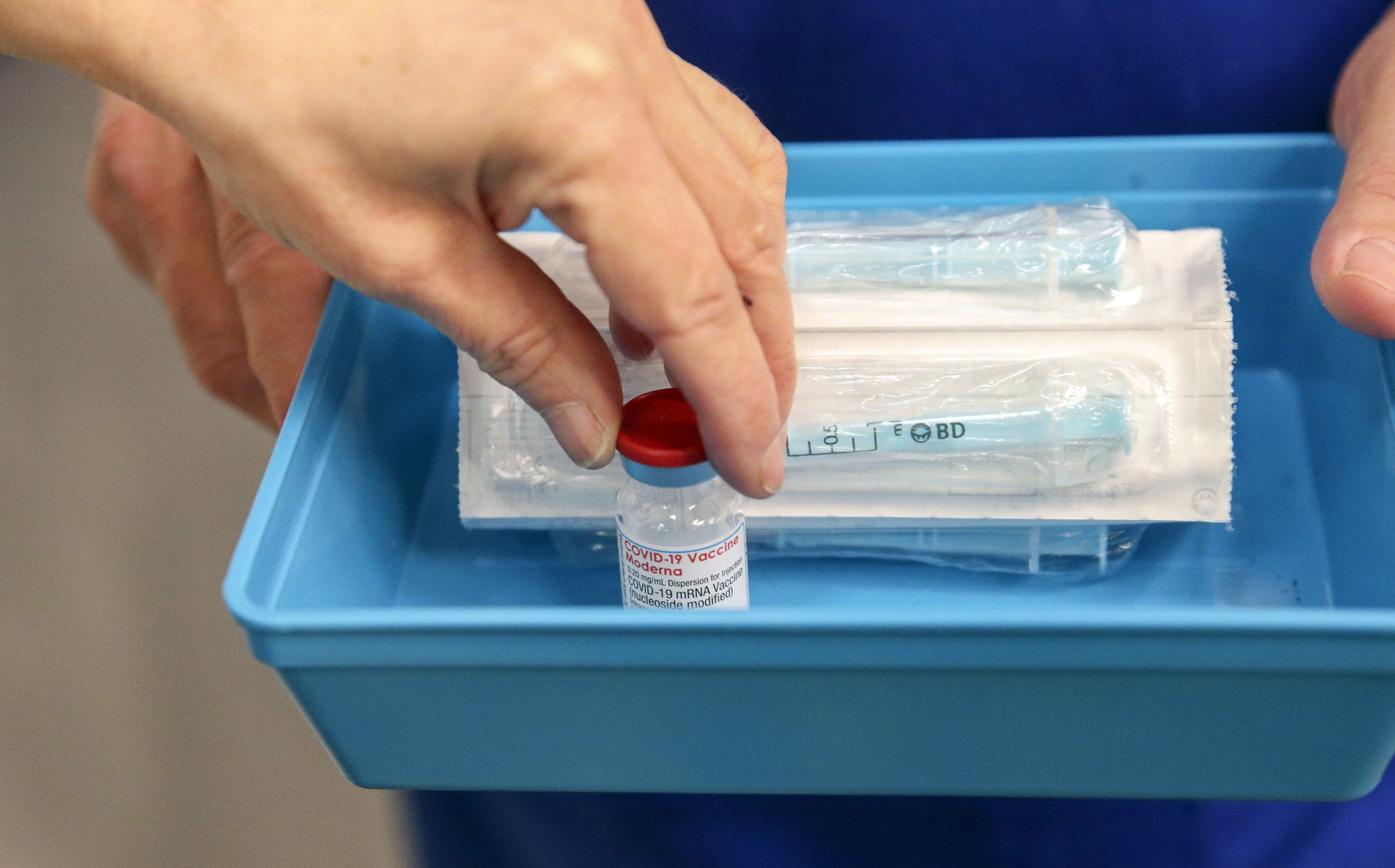
Those in their 30s could be waiting at least a month before they see a Covid jab due to AstraZeneca and Johnson & Johnson vaccines’ age restrictions.
From today, those aged 39 can register for a Covid vaccine, with those aged 38 registering from tomorrow, and so on.
However, those in their 30s could be waiting at least a month before they see a Covid jab due to AstraZeneca and Johnson & Johnson vaccines’ age restrictions.
The HSE will be relying on mRNA vaccines such as Pfizer and Moderna, in which the age category will receive their second dose within 28 days of their first one.
Altogether there are 710,000 people aged between 30 and 39.
All first doses for those in their 40s are expected to be administered in the next couple of weeks, with their second dose of mRNA vaccine a month later.
The HSE’s chief clinical officer Dr Colm Henry said on RTÉ’s show “all things going well” people in their 40s should be fully vaccinated by the start of August, and those in their 30s are expected to be fully vaccinated by September.
Dr Henry said July will be a “strong month” but the number of vaccines administered weekly would be down to between 200,000 and 220,000, with many getting their second dose.
People in their 20s could be waiting until early November to be fully vaccinated and return to normal life, Dr Henry said.
Dr Colm Henry said the rollout pace is dependent on supply but currently the HSE estimates starting vaccines for younger people in late September.
Asked if this age group are potentially looking at receiving their first jab in late August or even early September, said: “It’s very roughly then ... it is a number of months ahead.”
The National Public Health Emergency Team (Nphet) has said that people who are not vaccinated should avoid foreign holidays and other trips abroad.
Dr Henry said that to be safe travelling people need to be fully vaccinated.
Earlier this week, the chief medical officer Dr Tony Holohan said he would advise people not to travel overseas unless they were fully vaccinated.
The Tánaiste said he understood Dr Holohan’s views on the matter however it would be “unfair” to ask young people to wait until they were fully vaccinated before travelling abroad.
“He’s coming at it from a public health point of view and scientific point of view and I totally understand that, I totally respect that,” he said on Saturday.
“That’s why we’ve agreed to this other regime that allows them to re-enter the country if they have a negative test … so that’s the plan in terms of government policy,” he said.
The EU digital Covid certificate scheme will come into effect from July 19, allowing free travel within the EU.
Under the system, an individual must either be vaccinated, have a negative PCR test prior to travel, or have recovered from Covid-19 in the previous nine months.

CONNECT WITH US TODAY



Be the first to know the latest news and updates