'Toxic brotherhood' behaviour is harmful to both men and women
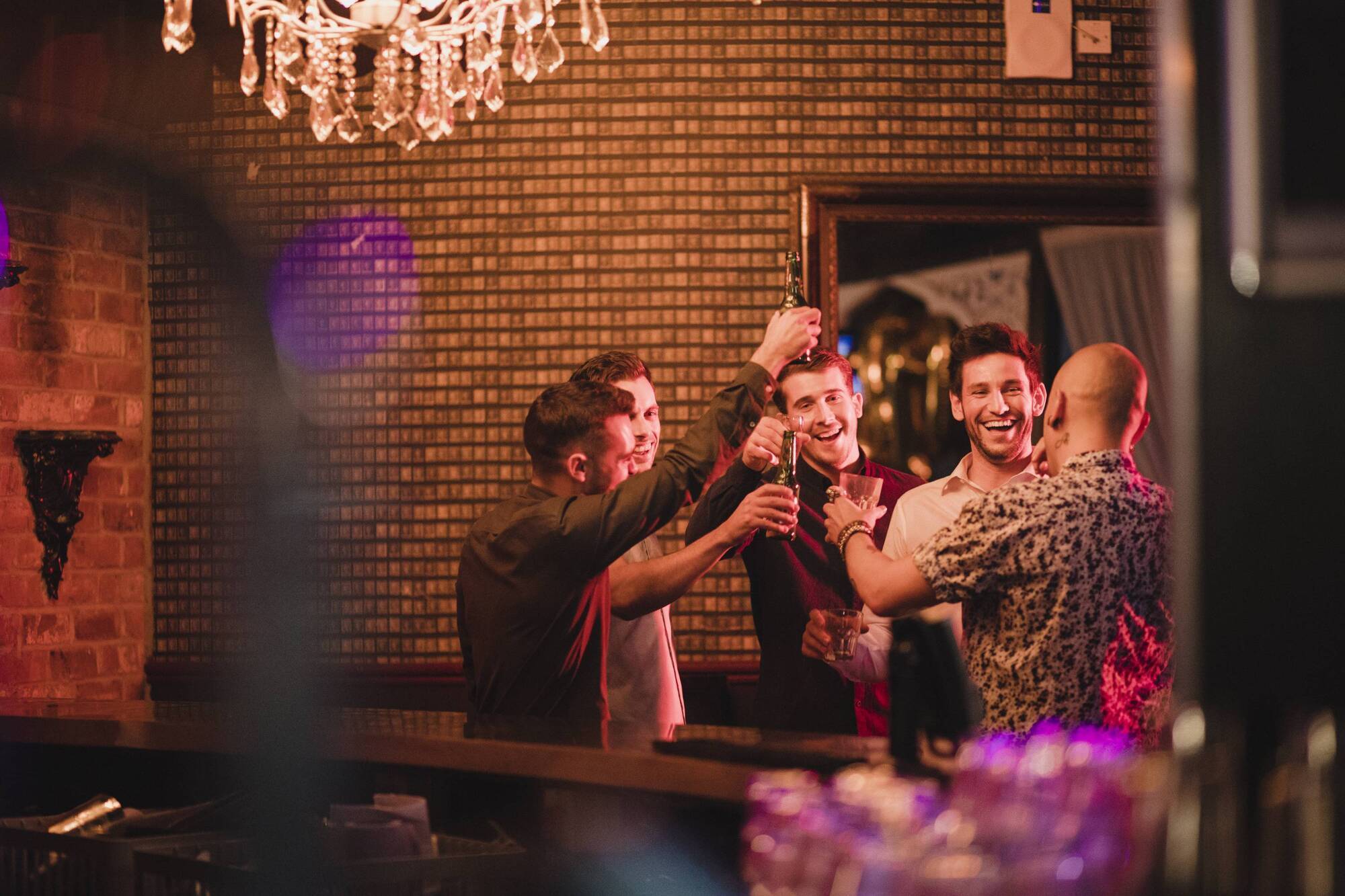
Ireland's Men's Development Network is encouraging men across the country to support each other.
Participating in hypermasculine behaviours has harmful impacts on men and women, a men's organisation has said.
'Toxic brotherhood' diminishes men's ability to live well by having healthy and positive connections with others, according to Ireland's Men's Development Network (MDN).
The charity is encouraging men across the country to support each other and put forward positive alternatives to some of the stereotypical male-bonding activities that take place.
Questioning personal attitudes towards women is part of this shift in mindset as men are encouraged to find positive ways to bond that don't objectify women.
'Toxic masculinity', as it is often described, "demands men are dominant, aggressive, assertive and unallied," said Seán Cooke, CEO of Men's Development Network.
We need to examine why some men engage in this behaviour and how it can be prevented.
MDN wants men to question and disrupt the gender conditioning that puts pressure on men to act a certain way in order to live up to the archaic societal image of a "real man".
The work done by the charity supports men in stepping into healthy masculinities, to connect to their own sense of love, empathy and compassion, said Orla Sadlier of MND.
"Our work creates opportunities for men to reflect upon their lives, behaviours and attitudes so that they can recognise and address challenges to ultimately stop negative behaviours thereafter," said Ms Sadlier.
MDN are taking part in the inaugural international Week of Visibility of the Sexual Exploitation of Women and Girls and will host an online event with activist Mia de Faoite.
The webinar, entitled Male Bonding and Sexual Exploitation: Charting a path from Toxic Brotherhood to Healthy Masculinities, will examine the role commercial sexual activities play in male bonding and status building among groups of men.
Ms de Faoite, who says she was lucky to escape prostitution, said prostitution is the only industry where such a high level of violence is tolerated.
While there are women who enter into sex work entirely of their own volition, Ms de Faoite said a large number end up in the sex trade due to structural inequalities and a lack of choice.
"We also know that roughly nine in 10 of those sold and used in prostitution in Ireland are migrant women, who have been coerced into the most dangerous and exposed conditions on the front line of the trade," she said.
While it is the criminals and gangs who exploit vulnerable women and girls, Ms de Faoite said it is the members of the public who buy sex who enable them.
"By actively educating men on the structural, gender-based inequalities that lead to men engaging in the sexual exploitation of women, we can help them to understand the damaging effects of partaking in these activities and end the demand."
MDN chief, Mr Cooke, said the highly gendered nature of the commercial sex trade, and the exploitation and violence it facilitates, are legitimised by broader social structures and understandings of what it means to be a man.
The purchase of sex was made illegal in Ireland in 2017.
CONNECT WITH US TODAY



Be the first to know the latest news and updates