State missing out on millions in savings annually by using non-generic medicines
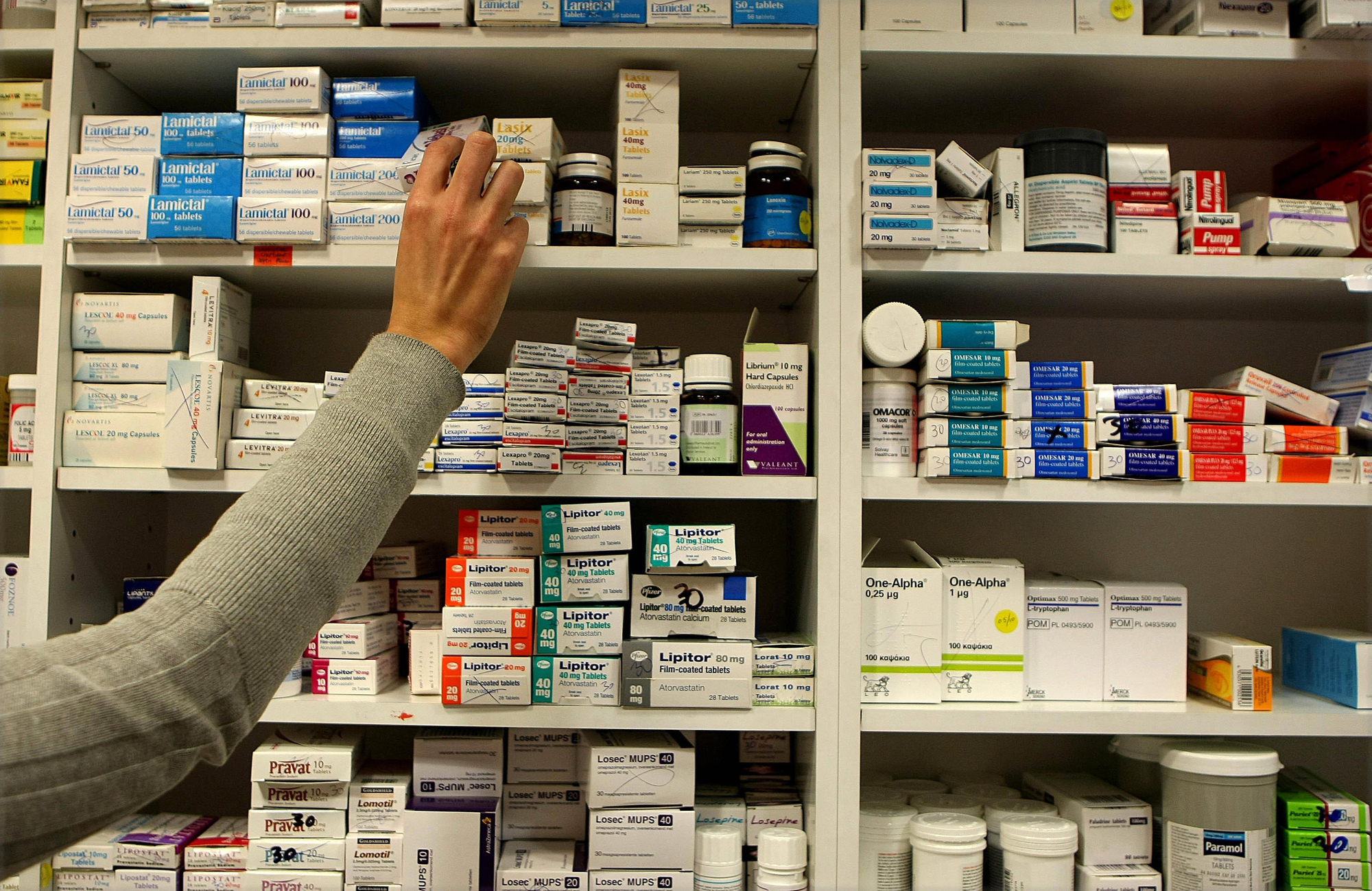
Since 2013, the use of generic medicines and biosimilars — biologic medical products highly similar to other already approved biological medicines — have provided savings of €1.6bn to Ireland. But the MFI believes even more can be saved. File Picture: PA
Ireland is lagging far behind the rest of Europe as regards the use of generic medicines and is therefore failing to save millions of euro each year.
That is according to a new report from Medicines for Ireland (MFI) published yesterday.
The report, shows that the average reimbursed price of non-generic medicines over the last year was €38. For generic medicines, this figure was just €6.
This €32 price differential, the MFI says, illustrates the large amounts of savings the State could make annually through increasing the use of generic medicines.
The HSE’s 2021 budget, as set out in the national service plan, is projected to be €20.6bn, one of the highest figures per capita among all Organisation for Economic Co-operation and Development (OECD) countries.
The total annual spend by the HSE on medicines is roughly €2.4bn — the single largest expense in the budget, aside from payroll costs.
The MFI says that while there has been some progress made on the use of generic medicines, Ireland’s use is well behind other EU countries and the UK.
"The current penetration rate for generic medicines in Ireland is 73%, well behind the EU average,” said chairperson of Medicines for Ireland, David Delaney.
Since 2013, the use of generic medicines and biosimilars — biologic medical products highly similar to other already approved biological medicines — have provided savings of €1.6bn to Ireland.
But Mr Delaney and the MFI believe significant further savings are there to be made.
"There is potential to save much more and there are many untapped areas of reform within the medicine pricing and reimbursement system in Ireland that can deliver further value for patients and the state, and Medicines for Ireland can help deliver these changes speedily," he said.
"The new national medicines supply and pricing agreement has the potential to help increase that figure to the 80 to 90% level that exists across other EU member countries.
"A new agreement can address the significant number of areas that have yet to be reformed and where medicines prices remain higher than necessary and where the opportunity to achieve further savings has been missed,” he added.
- Medicines for Ireland's report can be read in full .
CONNECT WITH US TODAY



Be the first to know the latest news and updates