Air monitors to be sent to schools to track ventilation
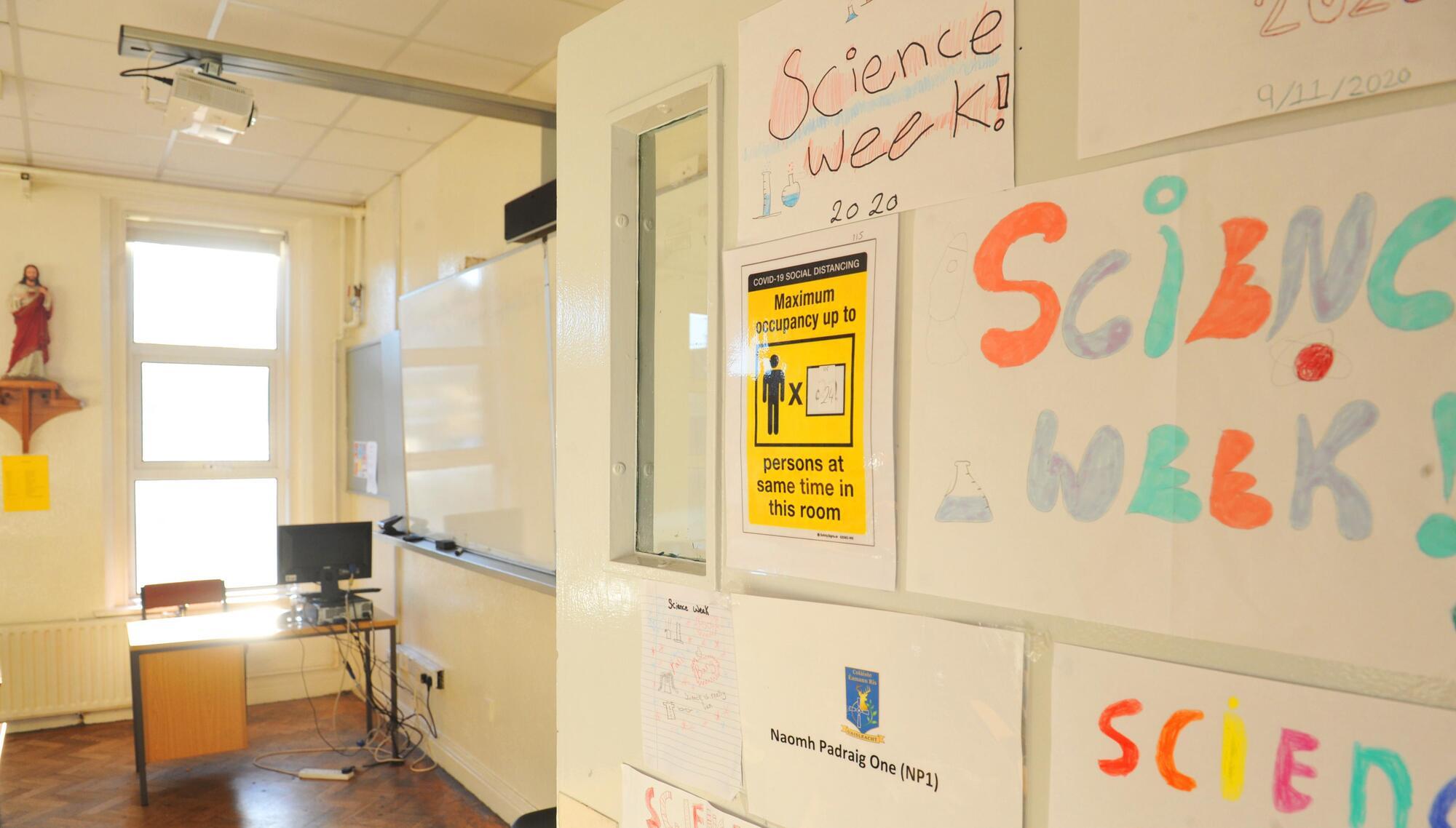
The overarching approach to ventilation in schools should be to keep windows open as fully as possible when classrooms are not in use. Picture: Larry Cummins
Schools are to receive air ventilation monitors for classrooms with lower levels of ventilation following updated guidelines published this week.
The Department of Education has published updated public health guidance around the deployment of good ventilation practices to help prevent the spread of Covid-19 in a school.
Guidelines around ventilation in schools were issued last year, but concerns were raised that these were not specific enough in their instructions and as such could lead to lapses in practice.
Many schools kept their windows open throughout the year, including during the winter months.
The overarching approach to ventilation in schools should be to keep windows open as fully as possible when classrooms are not in use, for example during break times, lunch, and at the end of the day.
“As most schools rely on the opening of windows, ie natural ventilation, it is important that windows and air vents can be accessed and opened.”
Rooms should be well ventilated before occupancy each day, and for the first class of the school day windows should be partially opened, weather conditions permitting, to keep the room fresh.
“In colder weather, any local chilling effect can be offset by partially opening the windows nearest to and above the radiators.
“It is important to make sure that air movement is not blocked by furniture or window blinds and curtains.”
The Department of Education will now arrange to provide a number of portable air monitors to schools, based on the size of each, in the coming months.
“These will be provided automatically to primary schools and secondary schools in the free scheme and on an application basis for schools in the fee-charging sector.”

CONNECT WITH US TODAY



Be the first to know the latest news and updates