Even the first dose of two-shot vaccines can halve transmission
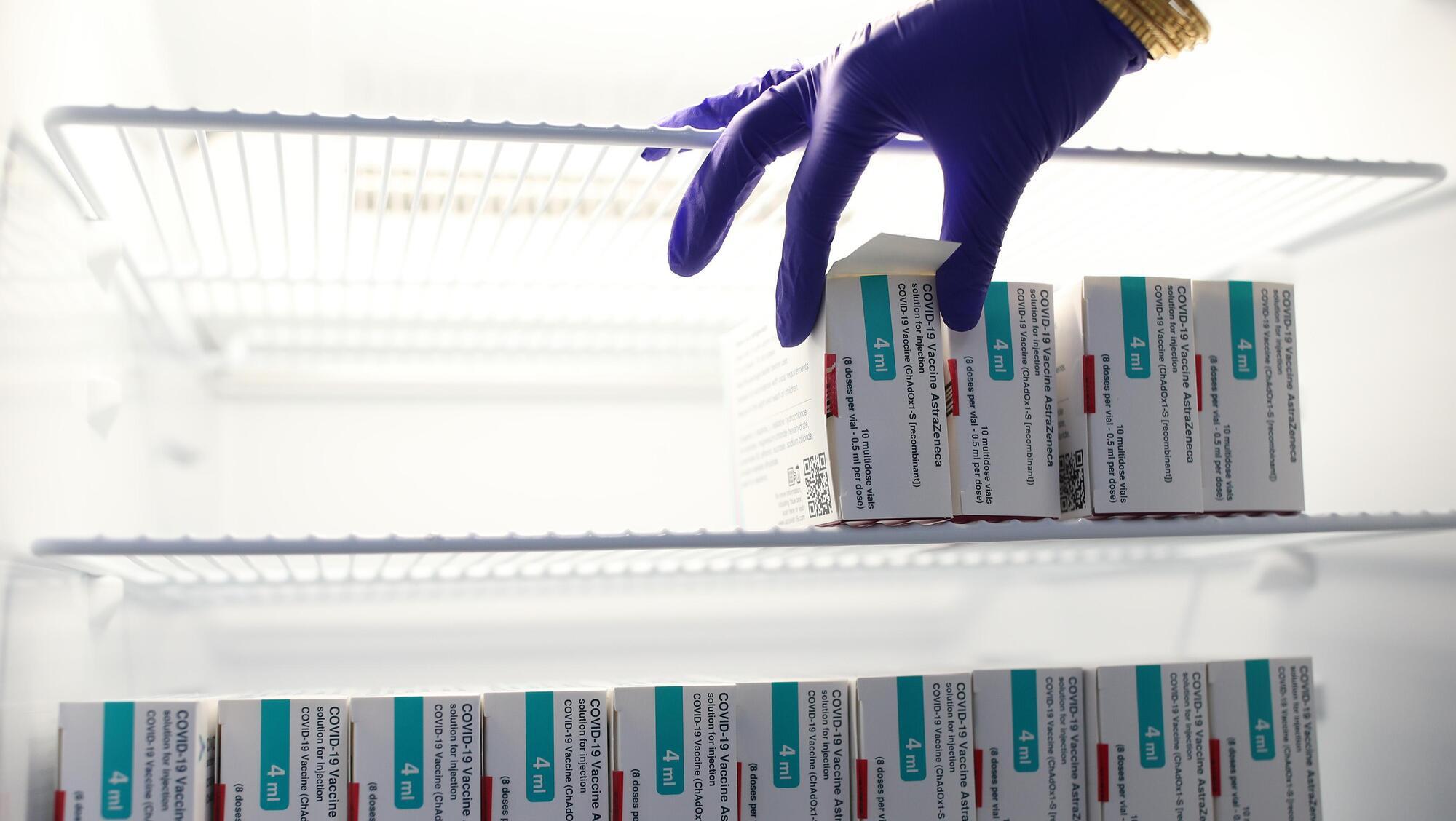
As well as reducing patients' risk of catching the virus, the preprint of the new study says the first dose of AstraZeneca (above) and Pfizer/BioNTech coronavirus vaccines also slash transmission risks. File photo
Just one dose of the Pfizer/BioNTech or AstraZeneca vaccines can cut transmission risks by up to 50%, according to a new study.
The preprint published yesterday by Public Health England shows both vaccines offer “a robust antibody response” and are effective at cutting the risk of passing on the infection and reducing the severity of Covid-19 after 14 days.

Both vaccines were found to deliver a “reduced likelihood of household transmission by 40-50% from individuals diagnosed with Covid-19 after vaccination” following just the first dose.
The authors state their overall conclusion is “vaccination reduces transmission.”
Head of immunisation at Public Health England, Dr Mary Ramsay, said: “Not only do vaccines reduce the severity of illness and prevent hundreds of deaths every day, we now see they also have an additional impact on reducing the chance of passing Covid-19 on to others.”
She urged anyone who is offered a vaccine to take it as soon as possible.
This extra benefit of both the Pfizer/BioNTech and Oxford/AstraZeneca vaccines comes in addition to the already significantly reduced chance of catching the virus post-vaccination.
Public Health England said the risk of a vaccinated person developing a symptomatic infection is already reduced by 60-65% four weeks after just one dose of either vaccine.
This new study is based on data from over 57,000 contacts from 24,000 households in which there was a lab-confirmed case that had received a vaccination.
This was compared with nearly 1m contacts of unvaccinated cases, according to Public Health England.
Unlike a previous study carried out by Public Health Scotland, which only looked at healthcare workers, this looked at the general population but found similar results.
The paper states: “These results show that the likelihood of household transmission is 40-50% lower for households in which the index cases are vaccinated 21 days or more prior to testing positive [compared to no vaccination].”
These results were found to be the same for both vaccines. And the study states the effects can be found from 14 days post-vaccination.
The authors found the effect was “particularly apparent” when the person with Covid-19 was younger than 70.
They advised further study is needed to examine the impact of two doses on transmission.
The study states: “It will be important to assess if there are any further reduction in transmissibility from receiving a second dose of vaccine when such data become available."