More than 500 submissions made to Commission on Defence
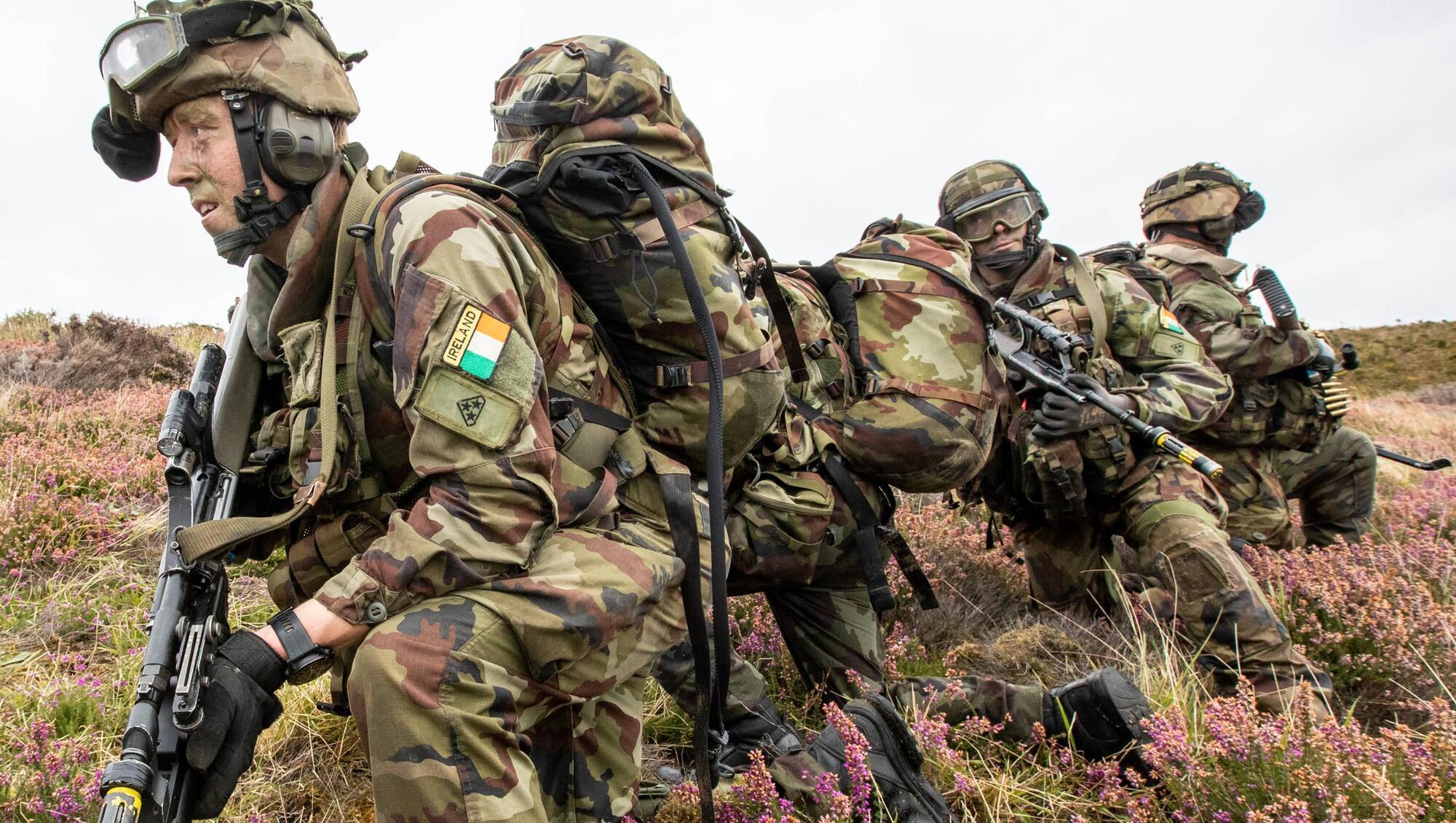
The number of submissions, according to a source close to it, “shows a healthy interest” in how the Defence Forces should be treated into the future.
More than 500 submissions have been made to the Commission on Defence which will make recommendations for change to resolve the current problems in the Defence Forces.
The number of submissions, according to a source close to it, “shows a healthy interest” in how the Defence Forces should be treated into the future.
The amount of submissions is two-and-a-half times as many as was made to a similar commission, the Gleeson Commission, in 1990.
The commission, chaired by Aidan O’Driscoll, a former Secretary General of the Department of Justice, is to report its findings to the government by December.
PDForra general secretary Gerard Guinan said his association isn't surprised by the volume of submissions as many veterans and politicians contacted them about the commission.
"A common thread running through our association's interactions with interested parties was the recognition of the government's failure to provide members of the Defence Forces with appropriate pay, allowances and conditions of service," Mr Guinan said.
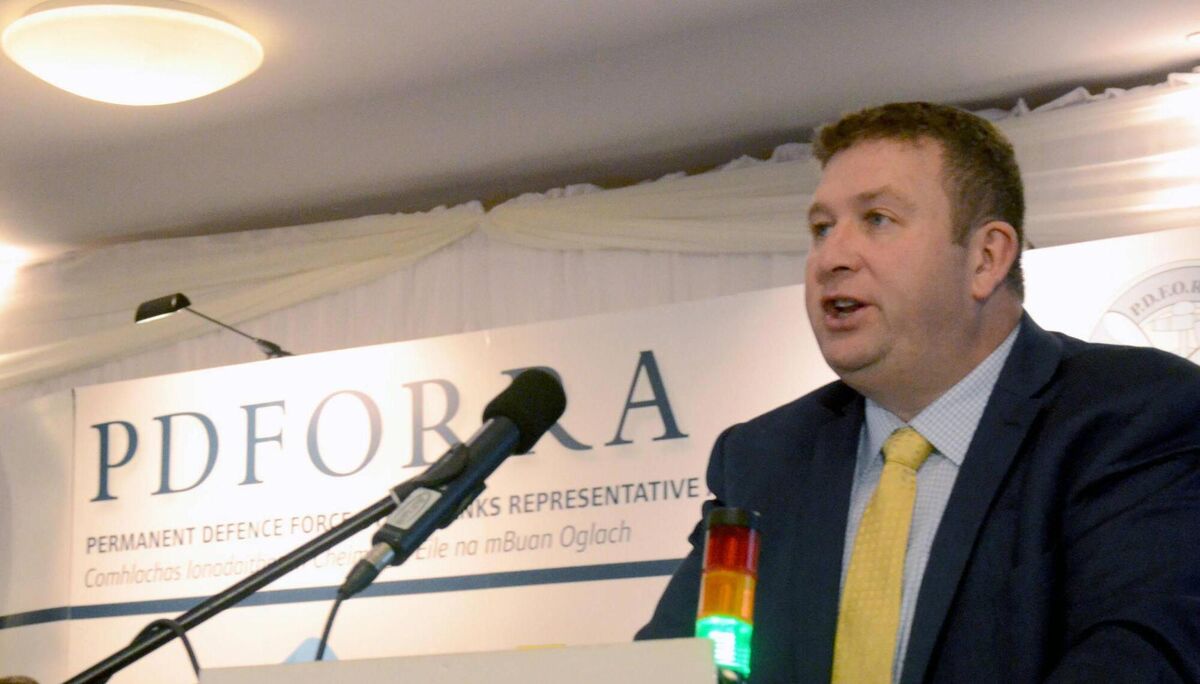
In its submission, PDForra highlighted its belief that contracts for personnel were inappropriate and that pay, pension and allowance rates were insufficient relative to the hours being worked by personnel.
Mr Guinan said that in 2017 they'd forecast the current Defence Forces crisis, following the poor treatment of the military representative bodies at the national pay talks.
"During those discussions, PDForra explicitly informed military management and the Department officials that they were presiding over the demise of the Defence Forces. Our treatment at those, and during the most recent talks, has reinforced PDForra's belief affiliation to ICTU is the only way that our difficulties can be addressed," he said.
Mr Guinan said previous promises to address proper pay for technical experts had to be implemented as well as a proper Patrol Duty Allowances (PDA) for the Naval Service.
RACO general secretary Commandant Conor King maintained the commission is a once in a generation opportunity to have a serious conversation about the range of threats facing the State, and where the Defence Forces fits into the mitigation of these.

“It should examine funding, governance, organisational structure, and our key roles, It has the scope to make a real difference to the organisation, and it cannot be allowed to fail,” Comdt King said.
He said the Defence Forces are trying desperately to replenish their strength, but until they significantly improve "the offer” then they will only ever be running to a stand still.
RACO have welcomed the establishment of a permanent pay review body, reflecting the unique nature of military service in the context of the public service, and look forward to seeing how this uniqueness will be recognised, particularly given that all recommendations by the commission or the successor body and their implementation must be consistent with national public sector wage policy.
“We hope that this funding will be adequate to meet the demands generated by the experts' recommendations, and these recommendations will not be constrained by the resources available. Planning without resources is simply dreaming; we have a poor track record of policy implementation in the Defence sector; from the White Paper on Defence to the High Level Implementation Plan,” Comdt King said.
“If this commission is to have real credibility, and deliver tangible reform, then its recommendations must be fully resourced and accompanied by a strong implementation oversight body, to ensure that its good work is not allowed to wither on the vine,” he said.

CONNECT WITH US TODAY



Be the first to know the latest news and updates