'One rule for newer teachers and another for more established ones,' ASTI conference hears
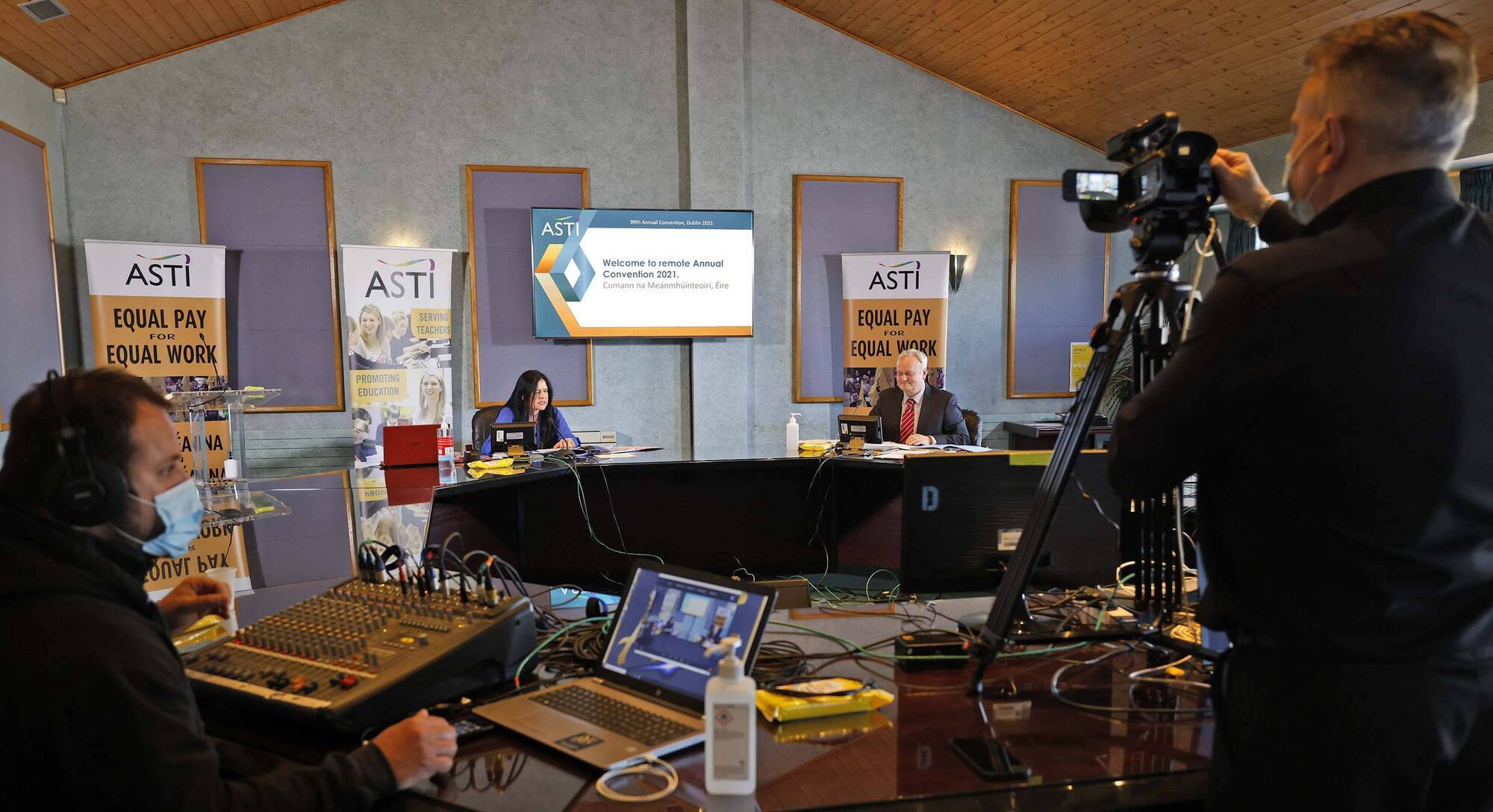
There is a consistent pattern of under-representation of females in key positions of influence within the ASTI, despite the fact 71% of its membership is female. Picture: Dave Cullen
Issues of fairness, opportunity, age and gender discrimination dominated the latter half of the Association of Secondary Teachers, Ireland annual Easter conference.
As one teacher noted, some motions proposed on the day seemed to present “one rule for newer teachers and another for more established teachers.”
One motion called for a reinstatement of seniority and experience as major determinants of suitability for appointment to posts of responsibility (promotional posts).
Adrieanne Healy, who proposed the motion, argued this would ensure all teachers can get a post at some stage in their career and would protect the integrity of post allocation.
“Seniority is not about age, it is about service and professional experience within a school,” she said, questioning why there no longer seems to be “any regard for service or teachers' experience in a school”.

Longer-serving teachers who are overlooked for posts in favour of younger colleagues feel “demotivated, demoralised, embarrassed and discriminated against,” delegates heard, while the relationship between teachers and management can be negatively impacted and create a “toxic atmosphere” in schools.
Post allocations are ultimately at the discretion of principals, and this can and is being exploited, it was argued.
“Some teachers are voluntarily taking on more and more unpaid work in order to try to get the prize of a post, which the principal is dangling in front of them,” Ms Healy said.
“Many teachers are afraid to speak up or say no in case this damages their prospect of a promotion.”
While seniority is not a perfect system, it is “objective transparent and fair,” she argued, and “there is no discrimination on any grounds.”
While the motion was passed, some younger teachers argued that it was, in fact, a discriminatory motion.
Noreen Fleming, who described herself as “a lower paid teacher” said they had been “discriminated against enough” in the last 10 years.
A distinction between younger teachers and their more senior colleagues cropped up again on the issue of an annual opt-out from the Supervision and Substitution scheme after 15 years of service.
It was argued that it “enshrines inequality into the union,” with one teacher questioning how a union could fight against inequality for 10 years only to make one rule for one half of the union and another for the other half.
In the end, this motion was passed, however, another motion that argued for an opt in/opt out scenario but removed any mention of years of services was also passed.
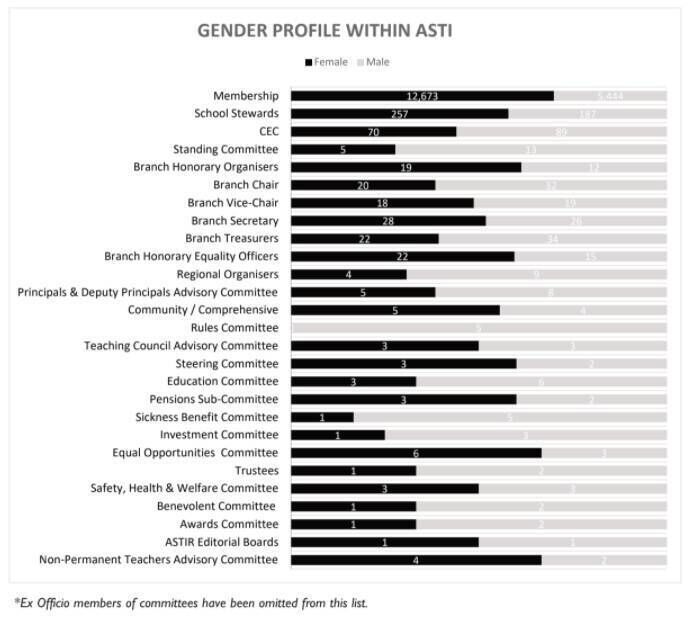
The final day of the conference also heard that the gender occupancy of the ASTI’s committees and offices reveals “a consistent pattern of under-representation of females in key positions of influence within the union,” despite the fact 71% of the membership is female.
This under-representation is also reflected in the gender breakdown of delegates attending the ASTI Convention, with just 203 female delegates attending the conference compared with 215 men.
The ASTI's Equal Opportunities Committee noted such observations were not new, and measures adopted by the ASTI to seek a more balanced representation between males and females have failed to close the gap.


CONNECT WITH US TODAY



Be the first to know the latest news and updates