Vaccine roll-out defended following Beacon Hospital controversy
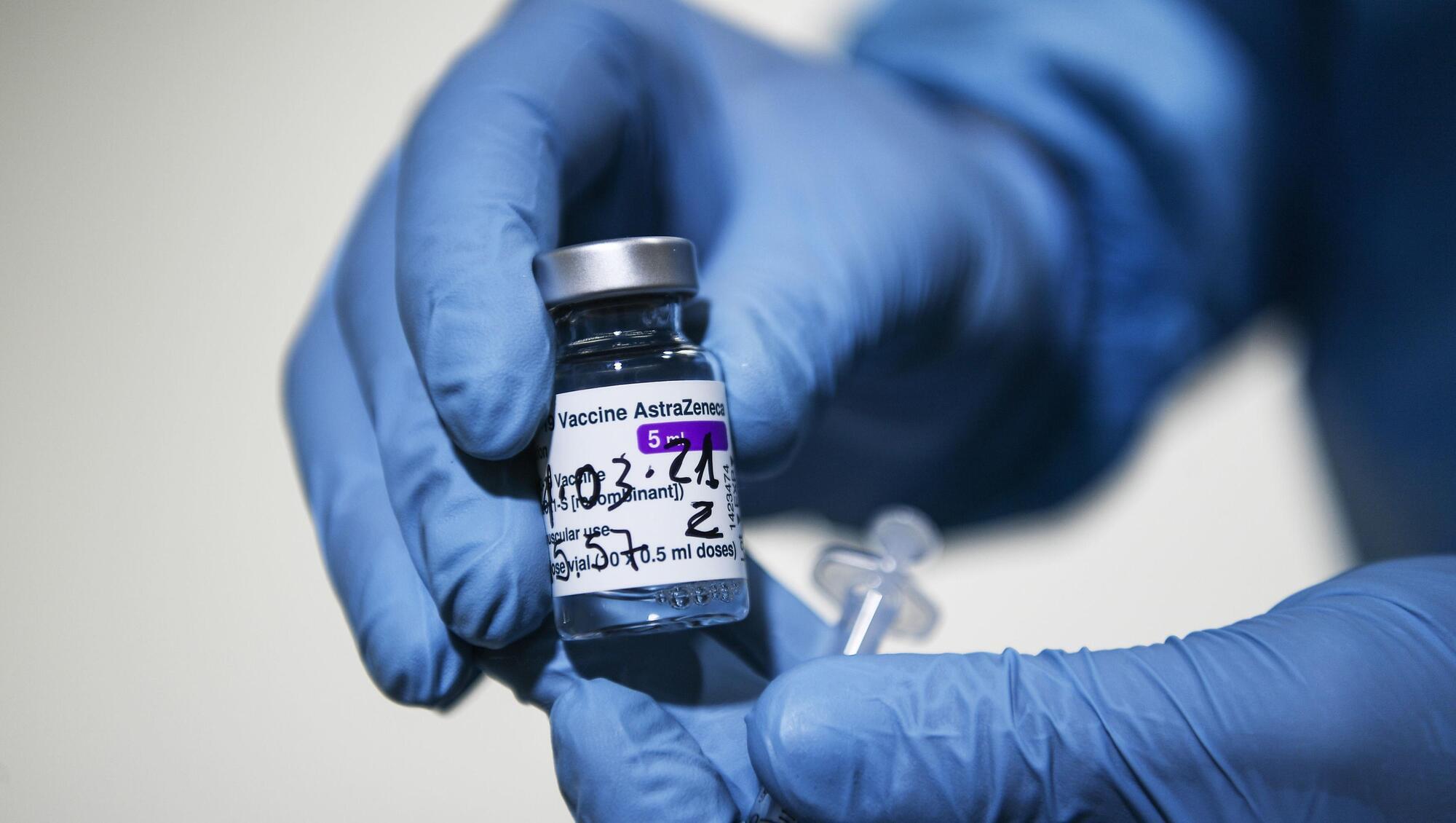
A health worker holds up a vial of the AstraZeneca vaccine for Covid-19. File picture
The HSE’s national lead on the vaccine roll-out programme has defended the programme following the controversy over teachers being vaccinated at the Beacon Hospital.
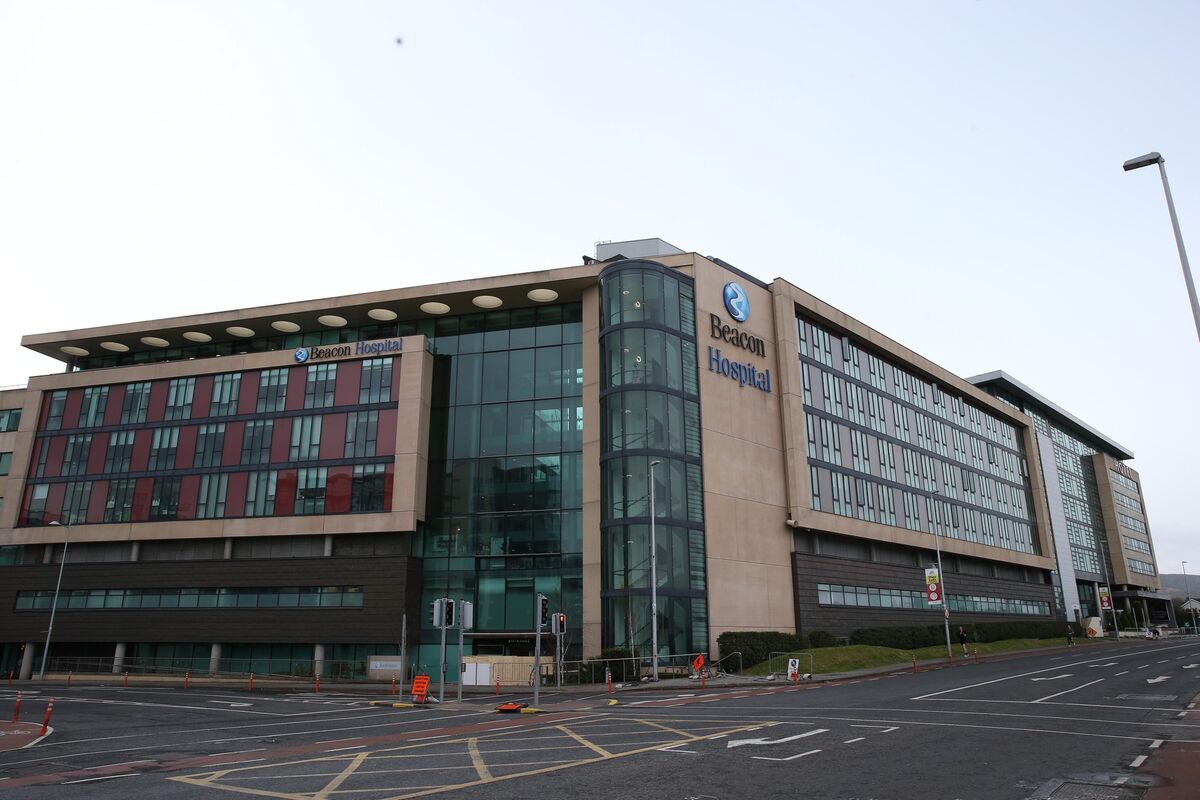
The hospital gave 20 vaccine doses to teachers at a private school attended by children of Beacon chief executive Michael Cullen, and also to workers at nearby creche.
Vaccine operations at the private hospital are to be suspended as Health Minister Stephen Donnelly has asked the HSE to pause vaccinations at the Beacon Hospital, with the exception of already scheduled appointments.
The south Dublin hospital, which was administering vaccines as part of the state rollout, apologised for its decision, claiming it was made under “time pressure”.
The hospital admitted the move was not in line with the HSE’s sequencing guidelines for vaccinating priority groups.
The board of the Beacon Hospital is holding an emergency meeting today to discuss the controversy.
Damien McCallion, the HSE's lead on the vaccine roll-out programme told RTÉ radio’s show that he did not believe there was an issue with people being vaccinated out of sequence.
He agreed that what had happened at the Beacon hospital had been “disheartening”.
“We certainly weren’t happy.”
There were clear guidelines about sequencing and having back-up lists, he added.
Mr McCallion also explained that anyone arriving to be vaccinated would have to show proof that they were a frontline worker, in response to a report that a journalist had managed to register to be vaccinated.
Anyone turning up at a vaccination centre would have to be validated and provide identification.
When a situation, such as had occurred at the Beacon Hospital arose, the HSE investigates, but he was satisfied that the number of such incidents were “relatively low.”
Mr McCallion anticipated that one million vaccines would arrive in April of which 850,000 to 870,000 would be used with the remainder being kept as a buffer.
The ‘very high risk’ cohort would be vaccinated in April with the ‘high risk’ category being completed in May, he said.
These groups would be identified through NIAC who had met with advocacy bodies. Vaccinations would occur in hospitals, specialist settings and primary care, he said.
There were 250,000 identified as ‘very high risk’ with a further 500,000 classified as ‘high risk’.
From June the vaccine programme would be age-based and the brands of vaccine would not be segregated, all brands would be included in the programme.

CONNECT WITH US TODAY



Be the first to know the latest news and updates