Pilot scheme for antigen testing in secondary schools being considered
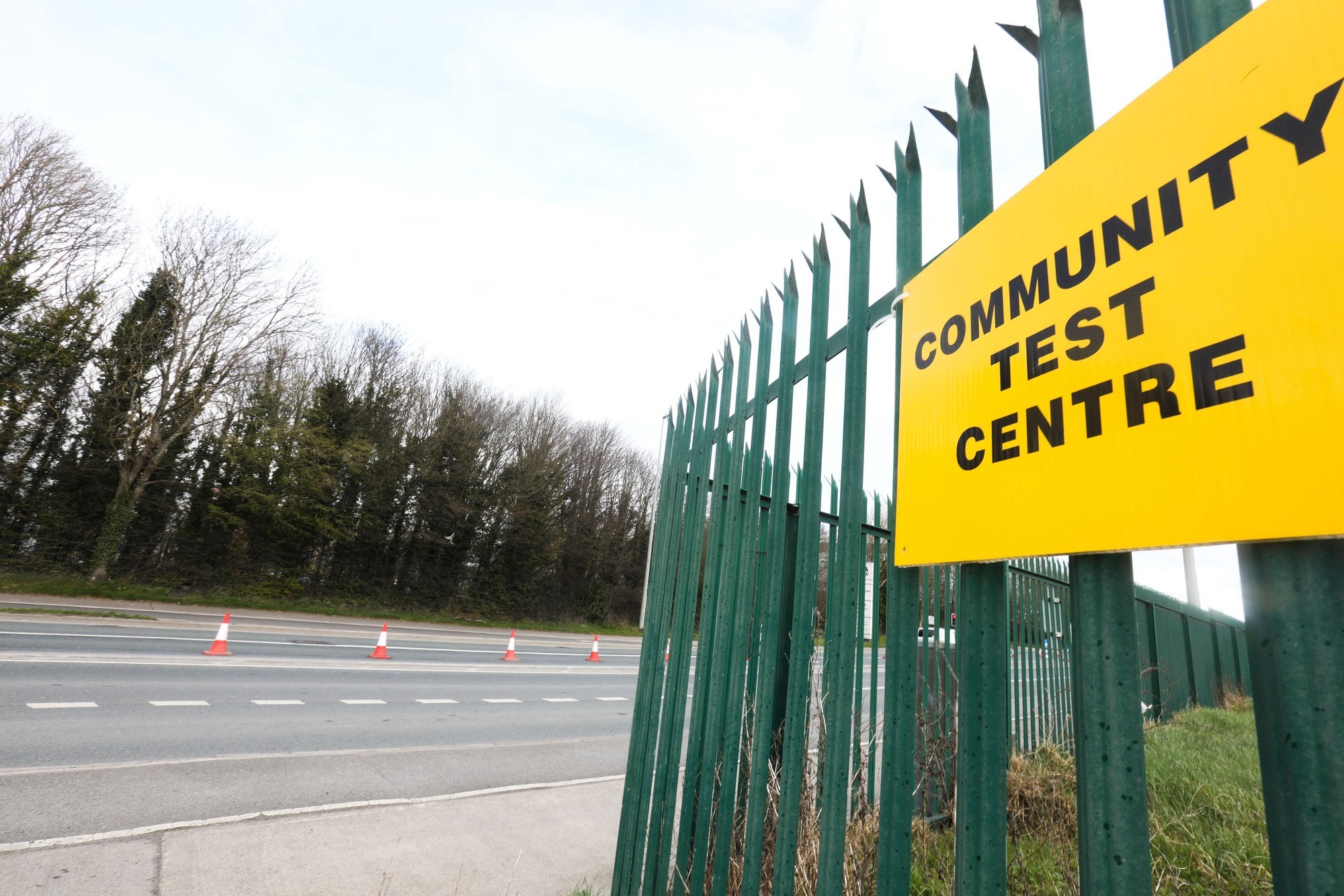
A sign for one of the five new walk-in temporary Covid-19 testing centres at the National Aquatic Centre in Dublin. Picture: Leah Farrell / RollingNews.ie
The HSE’s chief clinical officer has said that officials are considering a pilot scheme of antigen testing in secondary schools and universities.
However, concerns remained around the sensitivity of the rapid tests, Dr Colm Henry said as he stressed that they would not replace existing measures.
“We already deploy antigen testing for our hospitals and in outbreak settings, where we know its sensitivity is much stronger," he told Newstalk’s .
"But we also know it's very weak in cases where people are asymptomatic.
“I’m not doubting the potential value of antigen testing, particularly in outbreaks. I’m saying that as an assurance to people that a negative test means negative by itself it doesn’t stand up.”
Dr Henry said the HSE had “more than enough” PCR testing for the settings that really need testing.
He acknowledged that even PCR testing was not 100% accurate, but that it had a very high efficacy rate.
The walk-in centres which opened in five locations last week were part of a "menu of options" which would assist in identifying cases, he added.
The centres, which are in four venues around Dublin and in Tullamore, Co Offaly, were opened in areas where Covid cases have been high.
Members of the public do not need to get a GP referral and all tests will be free under the new initiative.
Last week, the centres had carried out tests on more than 7,500 people with an average positivity rate of 3% with Tullamore and Grangegorman at 2%, she said.
Of the asymptomatic people tested 41% were in the 25-44 age group and there was a 5% positivity rate in the 15-24 cohort.
Meanwhile, the HSE’s lead for Testing and Tracing has said that the HSE expects to open more walk-in centres around the country based on local public health knowledge.
Speaking on RTÉ radio’s Niamh O'Beirne explained that such centres would open if clusters were to develop because of increased social interactions.
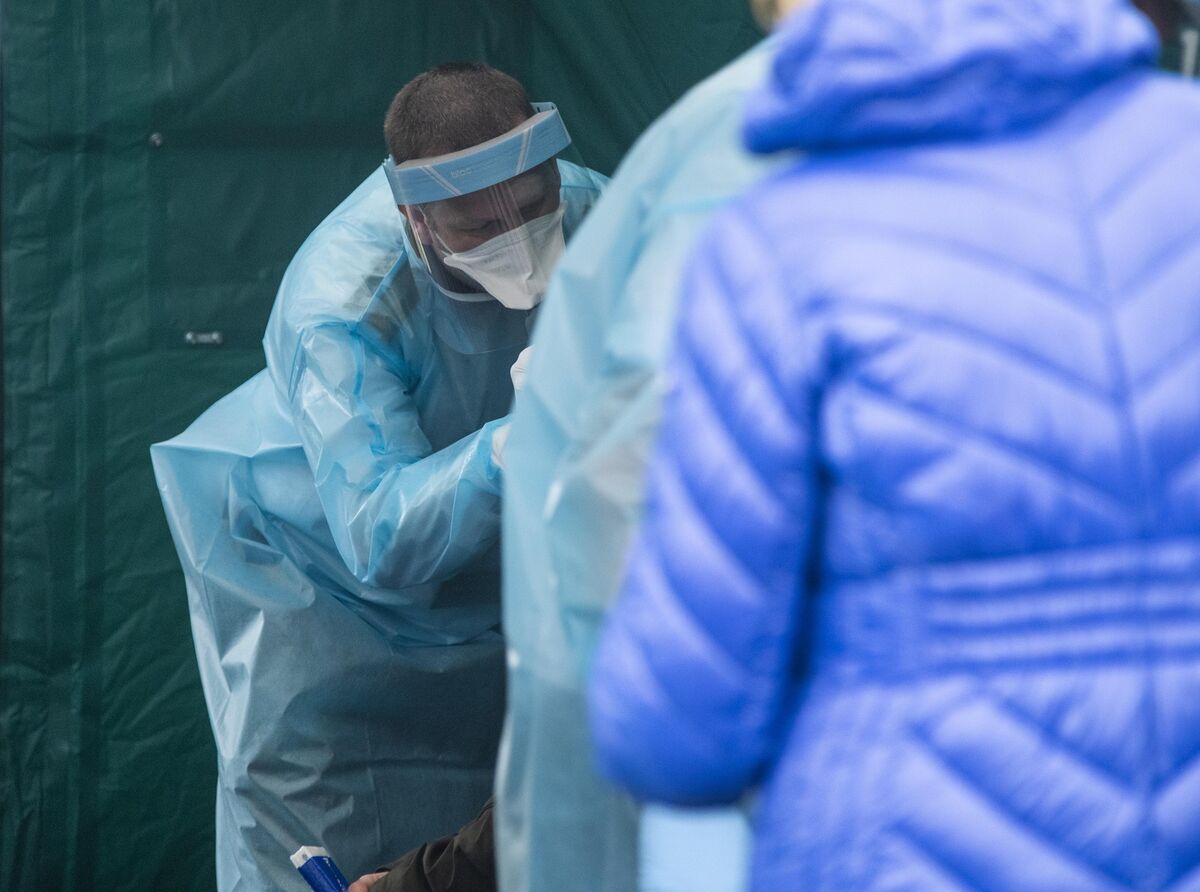
Ms O'Beirne said there had been an increase in referral levels for children, but this could be as a result of mass testing once one case was identified in a school.
While there was an increase in volume, the positivity rate among children remained low, she said.
Contact tracers were able to identify the setting where the person contracted the virus in 80% of cases.
However, in 20% of cases, it was necessary to spend more time with the person to ask additional questions of where they had been in the previous seven days.
Now was the “right time” to extend contact tracing to seven days, Ms O'Beirne said, as numbers were stabilising.
“This approach is viable on a downward trajectory.”
The purpose of extending the tracing to seven days was aimed at identifying the source of community transmission and to inform the public, she said.
It offered the opportunity to examine a particular location and time and identify other people who should go for testing.
The HSE was following the ECDC advice on the definition of a close contact, she said.
Ms O'Beirne acknowledged that the process was time-consuming which was why it needed to be done at a time when numbers were lowering.
The number of cases at present was down substantially on earlier in the year and combined with the roll-out of the vaccination programme, “this activity will enhance the other work we’re doing.”
Meanwhile, a public health expert has said he is optimistic that pop-up testing in areas with outbreaks will help control coronavirus.
RCSI Professor Sam McConkey said that pop up testing is “easily accessible to people in areas where there is a lot of outbreaks and high case numbers.
Prof McConkey added: “So we’re going out and actively looking for asymptomatic carries in the geographic areas where there is known outbreaks.
“That’s inevitably going to temporarily put up the actual number of cases detected each day but it actually means we’re finding a larger proportion of the true cases that are out there.”
CONNECT WITH US TODAY



Be the first to know the latest news and updates