400,000 postponed holidays 'in doubt' due to continued pandemic restrictions
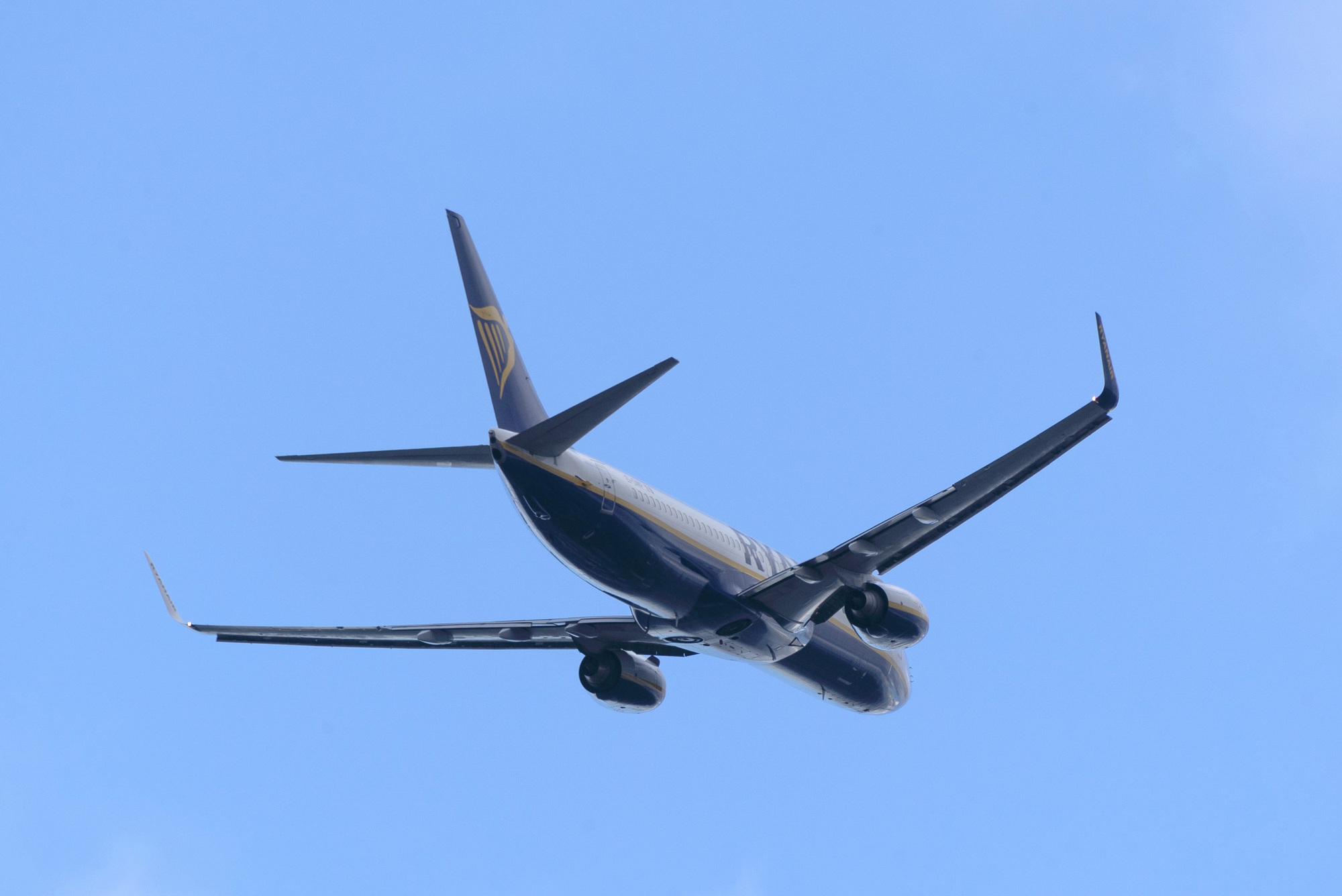
The ITAA has called for a change in legislation to ensure airlines cannot fly empty planes – known as 'ghost flights' – to avoid issuing refunds. Under EU law, airlines must refund customers if a flight is cancelled. Picture: Colin Keegan, Collins Dublin
Some 400,000 customers had their holidays postponed until this year due to the coronavirus pandemic, but they are now “in doubt” as Covid-19 continues to cause uncertainty, the chief executive of the Irish Travel Agents’ Association (ITAA) has said.
On Thursday, Tánaiste Leo Varadkar said the possibility of overseas travel this year will depend on the data, but warned that “long before” non-essential travel resumes, mandatory quarantine will be “up and running”. Mr Varadkar believes the summer will be another domestic tourist season.
Pat Dawson, head of the ITAA, said travel agents across the country were not encouraging customers to book foreign holidays this summer.
“We moved 400,000 customers from their holidays last year to this year, and now there’s no real clear path on what’s going to operate and what’s not going to operate. Most of the summer looks like it’s not going to happen. They’re in doubt now,” he said.
He added: “We’re not encouraging people to book during the summer time at the moment, because we don’t want them to go through what they went through last summer with the cost of changing… there is a charge if the fare is different when you move to another date.”
The ITAA has called for a change in legislation to ensure airlines cannot fly empty planes – known as “ghost flights” – to avoid issuing refunds. Under EU law, airlines must refund customers if a flight is cancelled.
“We don’t want a situation like last year where airlines flew ghost flights and people couldn’t get back their money,” Mr Dawson said.
Meanwhile, Ryanair is more optimistic leisure travel will resume this summer, as older and more vulnerable people are vaccinated against the virus.
The airline launched a Covid-19 “travel wallet” on its app, which will allow passengers to upload Covid-related documents such as negative PCR test results and vaccination certificates, which may be needed for EU travel.
There have been discussions at European level about a digital vaccine passport, though concerns have been raised about privacy and data protection.
A spokeswoman for the Data Protection Commission said it “has not had any engagement with Ryanair on the Covid-19 certificate wallet to date”.
On the EU plans, the spokeswoman said the DPC will be “considering the data protection implications of any developments” in collaboration with its European counterpart, adding it is "expected" any personal data processing in this context will "comply fully with the GDPR".
CONNECT WITH US TODAY



Be the first to know the latest news and updates