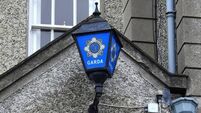
'Increasing' number of gardaí seek help for mental health issues 

'Increasing' number of gardaí seek help for mental health issues 

Garda HQ said an 'increasing' number of gardaí were looking for help in relation to mental health issues – and said this reflected a greater openness and acceptance within the organisation of mental health concerns.


New figures show that 16 gardaí were off sick from work, on average, due to mental health issues every month during 2020, new figures show.

Garda HQ said an “increasing” number of gardaí were looking for help in relation to mental health issues – and said this reflected a greater openness and acceptance within the organisation of mental health concerns.

It is thought to be the first time Garda HQ has published data on this area and provides a glimpse into the mental health of members.

The 16 members off sick last December were out, on average, for 27 days, or just short of a month.

The figures are contained in the commissioner’s monthly report to the Policing Authority for the month of January.

Explaining its decision to produce the figures, the report said: “While the figures themselves are not significant, An Garda Síochána receives a high number of Freedom of Information (FOI) requests in this regard. It is therefore considered appropriate to make these figures available.” 

The figures for last year and the number of days absent show the following mental health absences:

  • February – 15 absent/ 387 days 
  • March  – 18/ 473 
  • April  – 18/ 463 
  • May  – 13/ 329 
  • June – 16/ 383 
  • July – 14/ 334 
  • August  – 10/ 293 
  • September  – 13/ 354 
  • October – 18/ 486 
  • November – 20/ 549 
  • December – 16/ 433

The report said these statistics have been compiled using the mental health illness subcategory on medical certification.

The statistics for mental health provided are included in the ordinary illness category.

The report also shows that comparing December 2020 to December 2019, year-on-year ordinary illness days significantly decreased for Garda members, by 25%.

In relation to injury on duty, the number rose slightly in the same period, by 4%.

A statement issued by Garda HQ to the Irish Examiner said: “The welfare of all personnel in An Garda Síochána is of paramount importance to senior Garda Management.

An increase in personnel being able to disclose and present medically certified absence due to mental health issues can be viewed as a reflection of an increasing openness, acceptance and understanding about mental health within An Garda Síochána.” 

It noted that the numbers, while each representing an individual Garda member, “remain small” in the overall context of almost 14,600 sworn Garda members.

It said a key element in the September 2018 Policing Commission report was the development of a Health, Welfare and Wellness Strategy, to ensure “the psychological and physical wellbeing” of members, staff and reserves.

The statement said that, last November, they provided data from a Health Needs Assessment Survey report, completed by 5,200 Garda personnel.

It found many believed there was a stigma attached to seeking mental and emotional support.

It found more than half of respondents occasionally experienced trauma at work, rising to 63% for gardaí alone.

Almost half said they experienced high or very high-stress levels at work.

Seven out of 10 said they felt they could speak with a supervisor about something causing upset at work. 

The same number said they were aware of the organisation’s support services including peer support network, the 24/7 confidential helpline and counselling service. 

Most who used the services were happy with them, the survey indicated.

More in this section

Lunchtime News

Newsletter

Keep up with stories of the day with our lunchtime news wrap and important breaking news alerts.

Cookie Policy Privacy Policy Brand Safety FAQ Help Contact Us Terms and Conditions

© Examiner Echo Group Limited