End of year before country is fully vaccinated, says Taoiseach
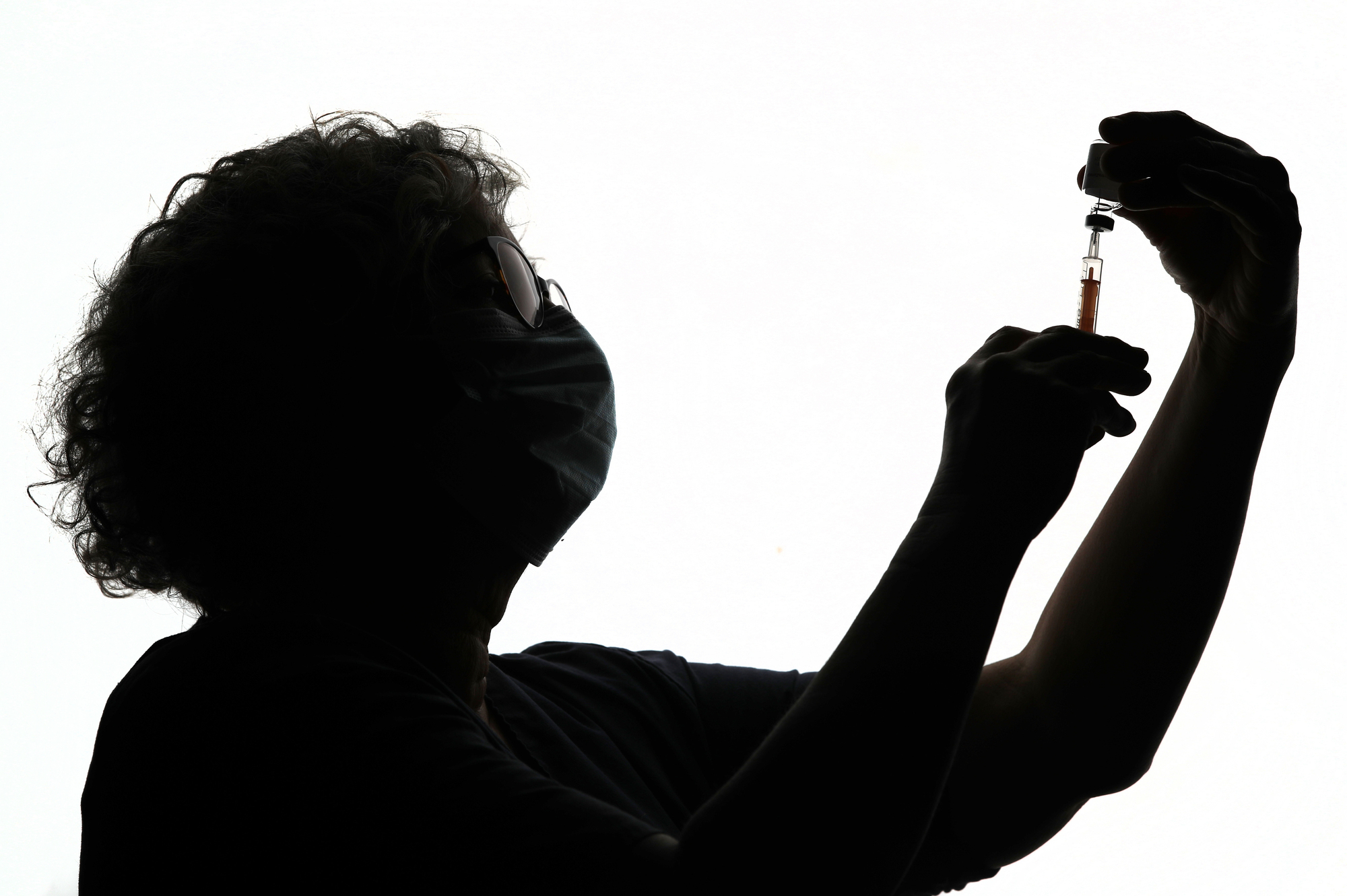
Ireland will receive 300,000 fewer AstraZeneca vaccine doses than originally planned.
Government assurances that the country will be fully vaccinated by September will not be met, and that status will only be achieved closer to the end of the year, the Taoiseach has admitted.
As it was confirmed that Ireland will receive 300,000 fewer AstraZeneca vaccine doses than originally planned, Micheál Martin also warned that March’s committed timeline is in danger of being missed.
“We are not sure about March... It's much more serious with AstraZeneca,” he said about the potential for delays.
In an interview with the Mr Martin conceded that the preferred target of having all adults vaccinated by September, as stated by health minister Stephen Donnelly, will be missed.
He said that, by that stage, a "critical mass" will be vaccinated but also said: "I can't say it'll be the entire population over 18 at that stage. I think we'll be well on the road.Â
"I would envisage end of year will be the target. But again, that's subject to all the caveats.”
Mr Martin said AstraZeneca and its ongoing wrangle with the EU over supplies, has been a "bump in the road".Â
He said there was always a sense there could be challenges around manufacturing capacity globally because everybody is looking for the vaccine at the same time.Â
He also described opposition criticism of Stephen Donnelly over the vaccine rollout as “very unfair”.Â
As the ongoing row over vaccine procurement continues, the EU looked set at one point to invoke Article 16 of the Brexit Northern Ireland Protocol to stop the unfettered flow of vaccines from the EU into the north.Â
However, late last night the EU said it is “not triggering the safeguard clause” to ensure the Northern Ireland Protocol is “unaffected” after widespread condemnation.
The Commission said it is putting in place a measure requiring that exports of vaccines are subject to an authorisation by Member States.
"In the process of finalisation of this measure, the Commission will ensure that the Ireland / Northern Ireland Protocol is unaffected. The Commission is not triggering the safeguard clause.
"Should transits of vaccines and active substances toward third countries be abused to circumvent the effects of the authorisation system, the EU will consider using all the instruments at its disposal.
"In the process of finalising the document, the Commission will also be fine-tuning the decision-making process under the implementing regulation."
The 300,000 shortfall in AstraZeneca vaccines for Ireland means 150,000 fewer people will be fully vaccinated in the first three months of the year.
The European Medicines Agency (EMA) has now approved AstraZeneca, shown to be 60% effective, for use for all adults despite concerns from German authorities about its use in over-65s.Â
The EMA said the vaccine is expected to offer “some protection” to older age groups and the benefits outweigh the risks.
EMA executive director Emer Cooke said that, according to their information and evaluation, it can be used in patients over 18 "and we’re not restricting it to under-55s".
Professor Brian MacCraith, head of the high-level taskforce on Covid-19 vaccination, told the Oireachtas committee on health that 1.4m doses of Pfizer, Moderna, and AstraZeneca were expected in the first quarter — but that has now been revised to 1.1m due to the issues with AstraZeneca.Â
At best, the reduced vaccine supply means that 550,000 people will be vaccinated by the end of March.
Over 190,000 doses of the AstraZeneca vaccine are expected in February and a further 95,000 doses in March, he said, adding there is “uncertainty from March onwards”.
There are hopes two more vaccines could be approved in the coming months. Clinical trial results suggest the Janssen single-dose vaccine is 66% effective while the Novavax vaccine has been shown to be close to 90% effective.
A further 48 Covid-19 deaths and 1,254 cases were confirmed last night, bringing total deaths to 3,214 and case numbers to 193,892.Â
There are 1,518 people in hospital with the virus, 211 of them in ICU.