Communities want gardaí on street to tackle worsening drug-intimidation
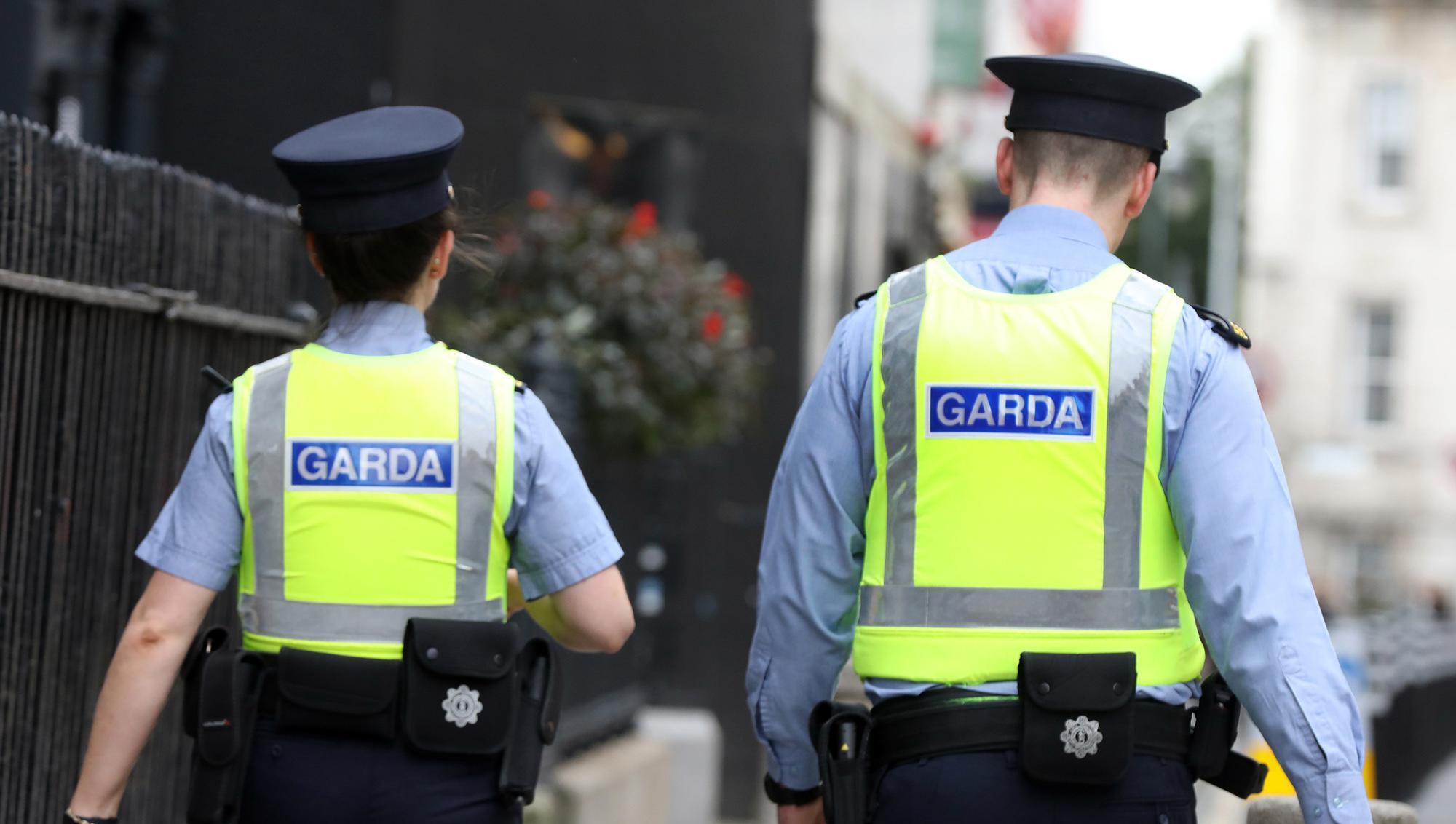
A new report said many people felt the gardaí were “understaffed and under-resourced” to deal with drug-related crime. Picture: Leah Farrell/RollingNews.ie
People want to see gardaí on the street engaging with locals as part of an overall approach to tackling the worsening problem of drug-related intimidation, according to new research.
People interviewed in Dublin’s north east inner city were “undivided” in the view that violence associated with drug-related crime and intimidation had increased in recent years.
A new report said this has contributed to “widespread fear” in the community.
Researchers said the possibility of young people earning significant amounts of money at street dealing level could explain the increase in violence, including the brandishing of firearms.
People working in the area and people with direct experience of intimidation told researchers that young people were attracted by the trappings of wealth — clothes, holidays and cars — that the trade can bring.
The study, 'Debts, Threats, Distress and Hope', was carried out by the Drug-Related Intimidation Initiative (DRII). It was operated by the Ana Liffey Drug Project and conducted by Marcus Keane and Sarahjane McCreery. The research was funded by the Dublin North East Inner City Programme.
The project builds on previous studies over the years, including by researcher Johnny Connolly in Dublin, Professor Niamh Hourigan on gangs in Limerick, the National Family Support Network and Citywide Drugs Crisis Campaign.
The report said many people felt the gardaí were “understaffed and under-resourced” to deal with drug-related crime.
The report recommends building relationships between gardaí and the local community and said personal relationships were important.
It said the bulk of people experiencing drug-related intimidation they spoke to do not report it to the Garda National Drug-Related Intimidation Reporting Programme — which has dedicated inspectors in each division — mainly because of fears of revenge but also over perceptions it would not be taken seriously.
The report said there is an overriding fear in the community of being seen as a “rat” or an “informer”. Even being perceived to have called the gardaí is enough to result in threats or acts of violence or property damage, including smashing of windows or petrol bombing of homes.
The study further said that everyone spoken to were “undivided” in their view that the nature of drug-related crime and intimidation had increased in violence in recent decades.
This had contributed to “widespread fear” in the community and a shift towards a community perception of “unsafety”.
It said people had more access to weapons, including firearms, and that people once considered “off bounds” such as girls, older people, partners and kids, were now considered fair targets.
The report said that the significant amount of money to be earned from street dealing could be a contributory factor.
The report said that empowering the local community was “critical” and that any response to the problem must place the community “at the centre”.
It backed calls for programmes to prevent and delay entry by young people into the trade, but said this must offer “genuine and realistic opportunities”.
- "They threw a petrol bomb at her front door and blew the front door up, so they told her, 'If you don't pay in three days, it's going to be your whole house blown up'." (Youth worker.)
- "Debts are getting higher, because the kids getting involved in the drug dealing want more expensive clothes and nice cars and the big things." (Witness of drug-related intimidation.)
- "One [dealer owed money] walked over to me [father] and he says, 'Where is your son?' and I said, 'I don’t know', and he says, 'Well, when I get him, I’m going to kill him and I’m going to kill you.' And, they stood on the road for three hours." (Father.)


CONNECT WITH US TODAY



Be the first to know the latest news and updates