RTÉ warns of services impact as 'current funding model is broken'
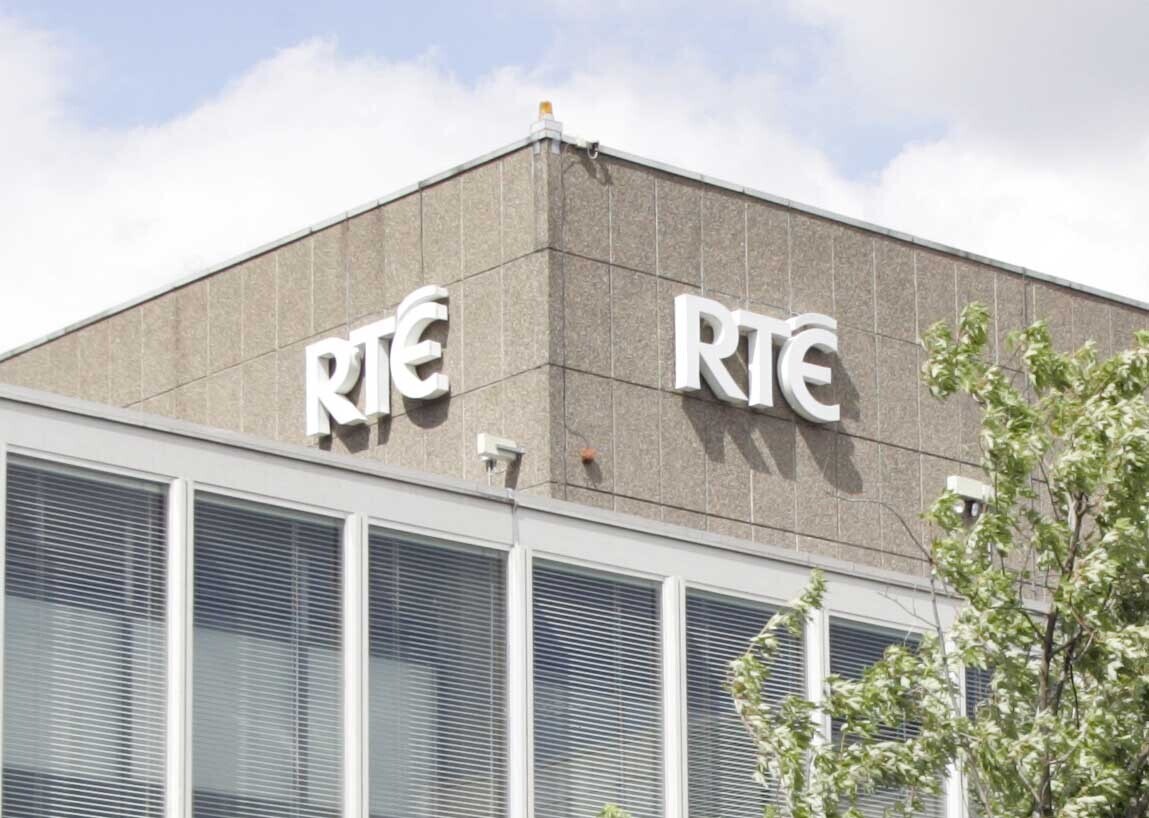
The RTÉ chairperson also made a thinly-veiled criticism of Government promises to reform what she described as “the broken TV licence collection system which more than any other factor threatens RTÉ’s role and future sustainability.” File photo: Mark Stedman/RollingNews.ie
RTÉ will face “a material uncertainty” about its capacity to provide its current level of services in the medium-term unless its broken funding model is addressed “quickly and definitively”, according to RTÉ chairperson, Moya Doherty.
The warning by the head of the RTÉ board is contained in the station’s just-published annual report.
Ms Doherty remarked: “RTÉ cannot run deficits indefinitely. That much is clear. The current funding model is broken.”
The latest accounts show commercial revenue at the Montrose broadcaster declined by €4.2m to €145.8m in 2019 which RTÉ attributed to “Brexit uncertainty” curtailing expenditure on advertising as well as changes in media consumption habits.
However, licence fee income rose by €7.2m to €196.3m as a result of a €8.9m increase in public funding for “free” TV licences, although income from paid TV licences continued to decline with evasions levels estimated at 13%.
RTÉ claimed such levels were significantly higher than the UK and other European countries, while collection costs were more than double that of some other public service broadcasters in Europe.
Commenting on the figures, Ms Doherty said having a strategy for the survival of public service broadcasting became even “more real and essential” during 2019.
The RTÉ chairperson also made a thinly-veiled criticism of Government promises to reform what she described as “the broken TV licence collection system which more than any other factor threatens RTÉ’s role and future sustainability.”
She claimed it was a year when “we came face to face with how a lack of funding reform and legislative planning is threatening a public service platform that is central to our sense of selves, communities, our cultures and our global voice.”
However, Ms Doherty welcomed the Government’s decision to increase State funding for RTÉ in 2020 and to establish a commission on the future of public service broadcasting.
Ms Doherty said the RTÉ board had promoted public awareness of the challenges which the station faced which were grounded in a recognition that media is a complicated sector in which collaboration is essential.
“Legislative legacy and established RTÉ structure complicated the emergence of practices appropriate to this new order,” she observed.
Ms Doherty said public service broadcasting was essential because:
While RTÉ would rather be delivering headlines than making them, Ms Doherty said a conversation about public service media was needed.
She claimed the death of former Late Late Show presenter, Gay Byrne, whom she described as a “friend-of-the-nation”, had crystallised “the issues at hand” through the indisputable public service he had given the nation.
RTÉ director general Dee Forbes, said RTÉ’s Revised Strategy, which was published at the end of 2019 with proposals to cut operating costs by €60m between 2020 and 2022, articulated the depth and extent of the station’s financial crisis.
However, Ms Forbes said the strategy meant a comprehensive change programme was underway “to both reimagine RTÉ’s role and return the organisation to financial stability.”
The latest accounts show RTÉ reduced its operating costs by €2m to €337.8m in 2019 largely as a result of a decrease in the cost of special events.
Even before the downturn in revenue resulting from the Covid-19 pandemic, RTÉ warned the outlook for 2020 and beyond remained challenging due to inadequate levels of funding from both licence fee and commercial income.
Borrowings by RTÉ rose by €10m to €60m during the year.
The total number of full-time, part-time and casual staff at the end of 2019 was 1,831 – an annual increase of nine, although staff costs were down €3m to €145.5m.
RTÉ reported a 20% increase in viewing levels of the RTÉ Player during 2019 with 50 million streams.
The broadcaster transmitted 42 of the top 50 most-watched programmes during the year – up from 39 in 2018.

CONNECT WITH US TODAY



Be the first to know the latest news and updates