Calls to pay trainee psychologists for frontline Covid-19 work
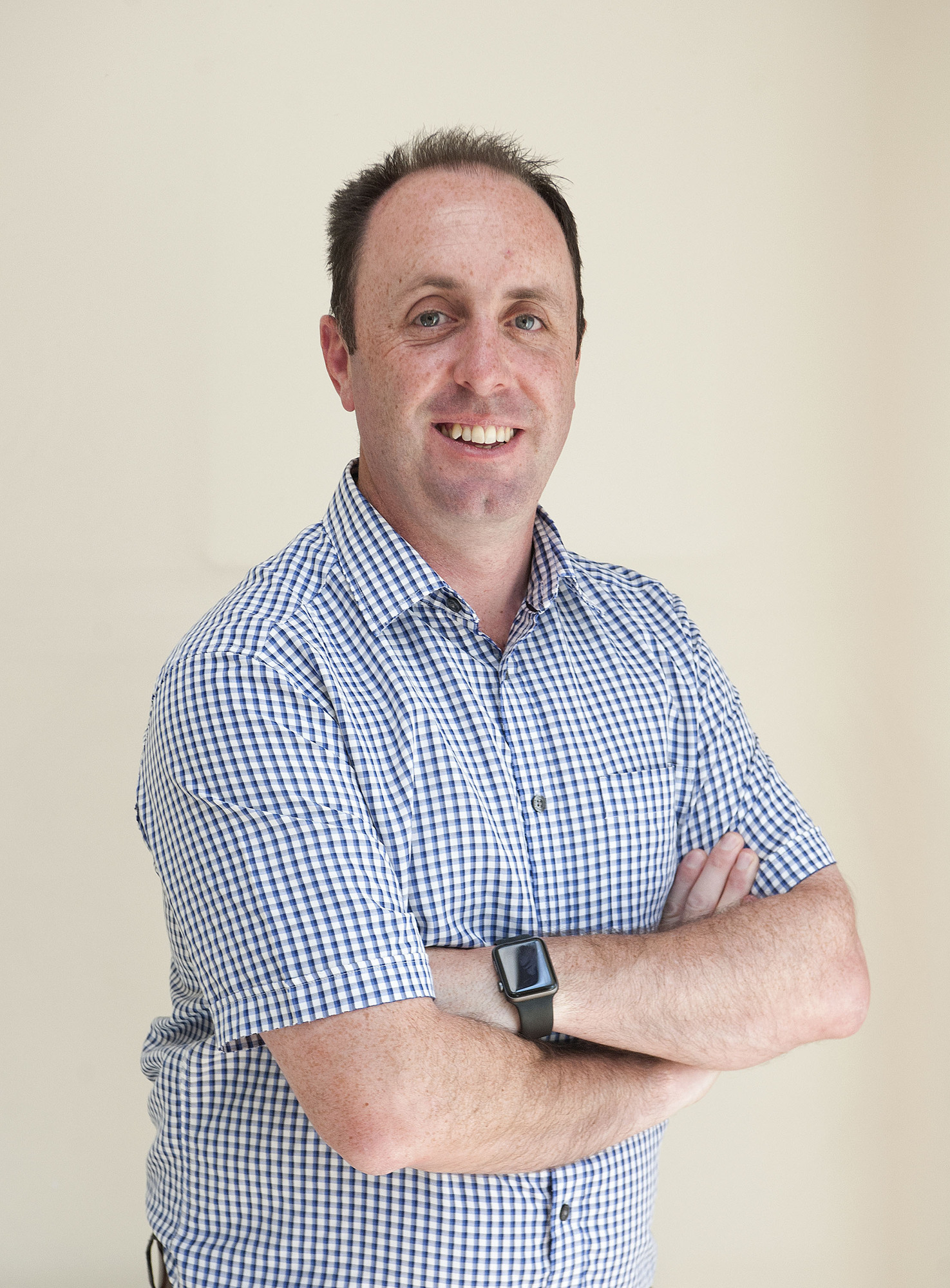
Mark Smyth - Senior Clinical Psychologist, Child & Adolescent Mental Health Service (CAMHS). Picture: Dave Meehan
There have been fresh calls to pay trainee counselling psychologists who are working on the frontline during the pandemic but who don't receive a salary during the three years it takes to secure a doctorate.
The past president of the Psychological Society of Ireland, Mark Smyth, said the Covid-19 crisis highlighted the situation faced by trainee counselling psychologists and educational psychologists, who for the three years they undertake a doctorate do not receive any pay, while trainee clinical psychologists — who do similar work — are paid and receive a proportion of their fees.
"We're experiencing a deluge of mental health referrals in the past year and don't have anywhere near the number of psychologists we need on the ground," said Mr Smyth.
"It also means that we can't be socio-economically representative as a profession as it will be restricted to those who have the financial means to train or those who choose to put themselves into debt for three years."
He said trainees can work across the full spectrum of the health and education sectors, including in primary care, schools, adult and child community mental health teams, and CAMHS, often while working part-time elsewhere.
"At any given moment across the three years of the courses, there will be 108 trainees working for free," he said. "There's also the context that this has been going on for 12 years; it has impacted on hundreds of trainees in the interim and will continue to do so."
One current trainee, 31-year-old Louise Bhandal, is halfway through her training. She said getting to that level required a minimum of an undergraduate qualification and that many of her peers would also have a Masters, yet still carried out three years of work for free.
"You're missing out on pension [contributions], missing out on a wage, there are €15,000 a year in fees, I am knee-deep in debt doing this. I am putting my kids through pre-school — I'm doing tutoring every hour under the sun to pay for this," she said.
Last year she worked in CAMHS as the pandemic unfolded and this year is working in adult services.
“I worked with young people facing really tough challenges with their mental health — you’re building relationships with these young people and it’s vital to keep those services running,” said Ms Bhandal.
Another trainee, Colm Marren, 34, is working part-time with Dublin Simon during the academic year as he enters the final year of his training, where he is carrying out face-to-face therapy in the prison system during the current stage of the pandemic.
Describing his training route as a "long journey", he said: "Nobody outside of these professions would be aware of it [the pay disparity] — why would they? We just got on with things."
He said he hopes the situation will be addressed in the coming years for future trainees so they will have financial support.
The PSI has estimated that it will cost €1.2m per year to pay the trainees.
Mr Smyth said: "The trainees on all the courses will do some days or a block in university for their academic component but the vast majority of their time will be on placement and service delivery."