New survey shines a light on the health of the nation
New survey shines a light on the health of the nation

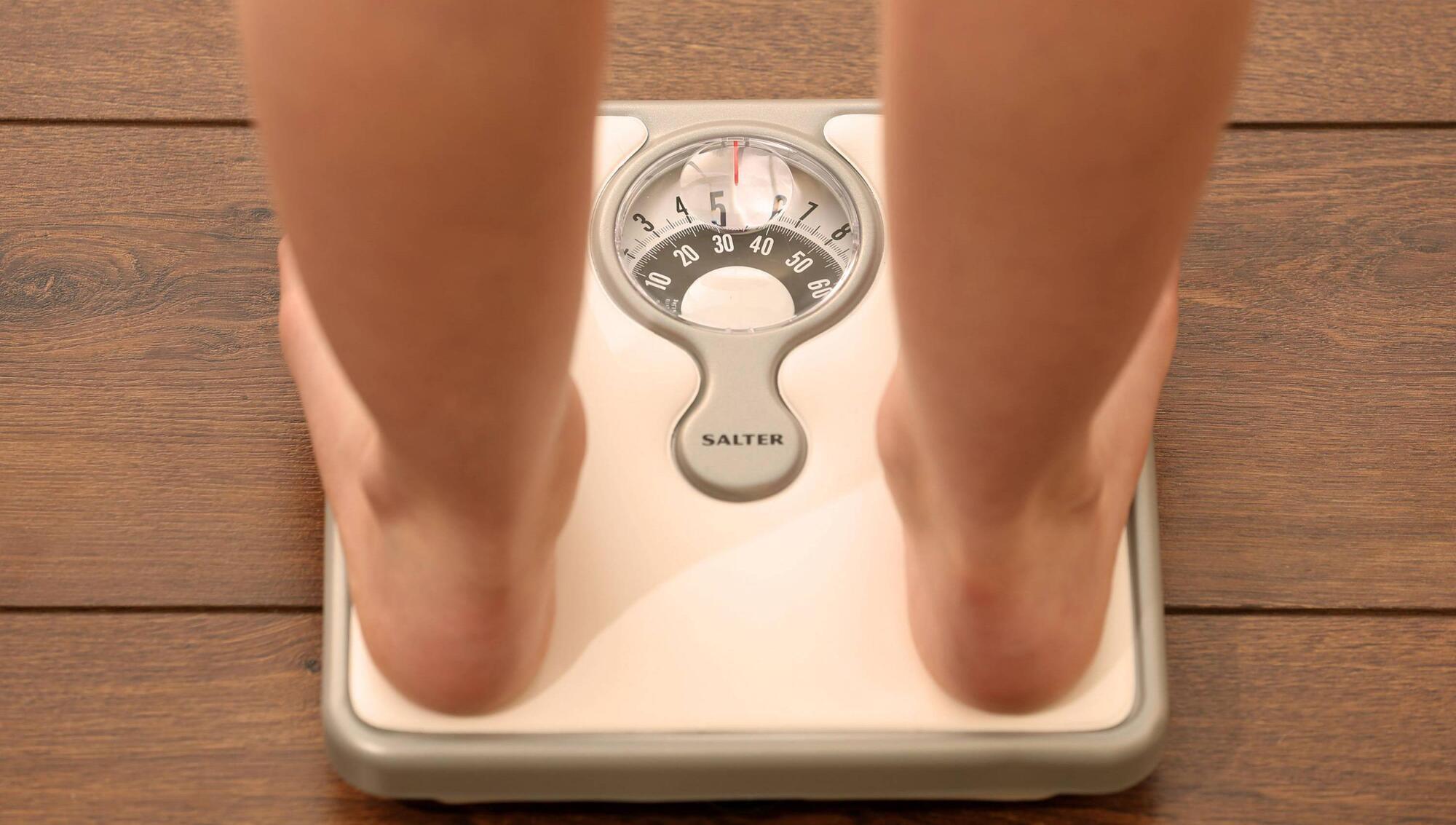
Over half of people aged 15 or over consider themselves overweight or obese. File picture: PA

Mental health difficulties take their toll on the unemployed at more than double the rate of those who work, according to a survey on the health of the nation last year.

According to data from the Central Statistics Office (CSO), some 21% of unemployed people reported some form of depression in 2019, compared to 9% of employed people.

The survey of 7,600 took place in 2019 and early 2020, before the clutches of the Covid-19 pandemic took hold. 

Unsurprisingly, there was a large discrepancy in health between those who considered themselves well-off and those who were disadvantaged.

Affluent people were more likely to feel their health status was very good or good than people who were disadvantaged, with 92% of very affluent people compared to 78% of people who were very disadvantaged reporting positively.

Correspondingly, only 1% of very affluent people reported their health as being bad or very bad, compared to 5% of very disadvantaged people.

Prevalence of hospital in-patient admissions rose with age and disadvantage level, while physical activity declined with age and relative disadvantage level, the survey found.

Young people were more likely to drink six or more units of alcohol in one sitting, while more than half of people aged 15 years and over considered themselves overweight or obese.

At a regional level, those aged 15 years and over in the south-east reported the highest positive health levels at 88%, with the midlands reporting the lowest levels at 79%.

Some 93% of those in employment reported their health as being very good or good, compared to 82% of those who were unemployed.

Just over a quarter of over 15s reported having a long-lasting condition which required supervision, observation or care. 

Disadvantaged people reported higher levels of a long-lasting condition at 29%, compared to 22% of very affluent people, the CSO said.

More than twice as many people among the very disadvantaged showed levels of diabetes than those who described themselves as affluent. 

When it came to mental health, over a fifth of the unemployed reported some form of depression, compared to less than half that for those in employment. 

Looking at the more severe forms of depression, such as moderately severe or severe, unemployed people reported higher levels than for those in employment, with 5% of unemployed people reporting such levels of depression compared to 1% of those in employment.

The pressure to attend work in low-paid jobs even when ill was stark, the data suggested.

In 2019, more than a quarter of very affluent people reported being absent from work due to a health-related problem in the 12 months prior to the survey. 

However, the rates of absence for very disadvantaged individuals were about half of the very affluent absence levels, the CSO said.

Geographical differences were also noticeable. People in Dublin reported the highest absence levels at 26% for over 15s, compared to people in the border region, who reported the lowest absence levels at 12%.

x

More in this section

Lunchtime News

Newsletter

Keep up with stories of the day with our lunchtime news wrap and important breaking news alerts.

Cookie Policy Privacy Policy Brand Safety FAQ Help Contact Us Terms and Conditions

© Examiner Echo Group Limited