Covid 19: Protest over continued restrictions in maternity care
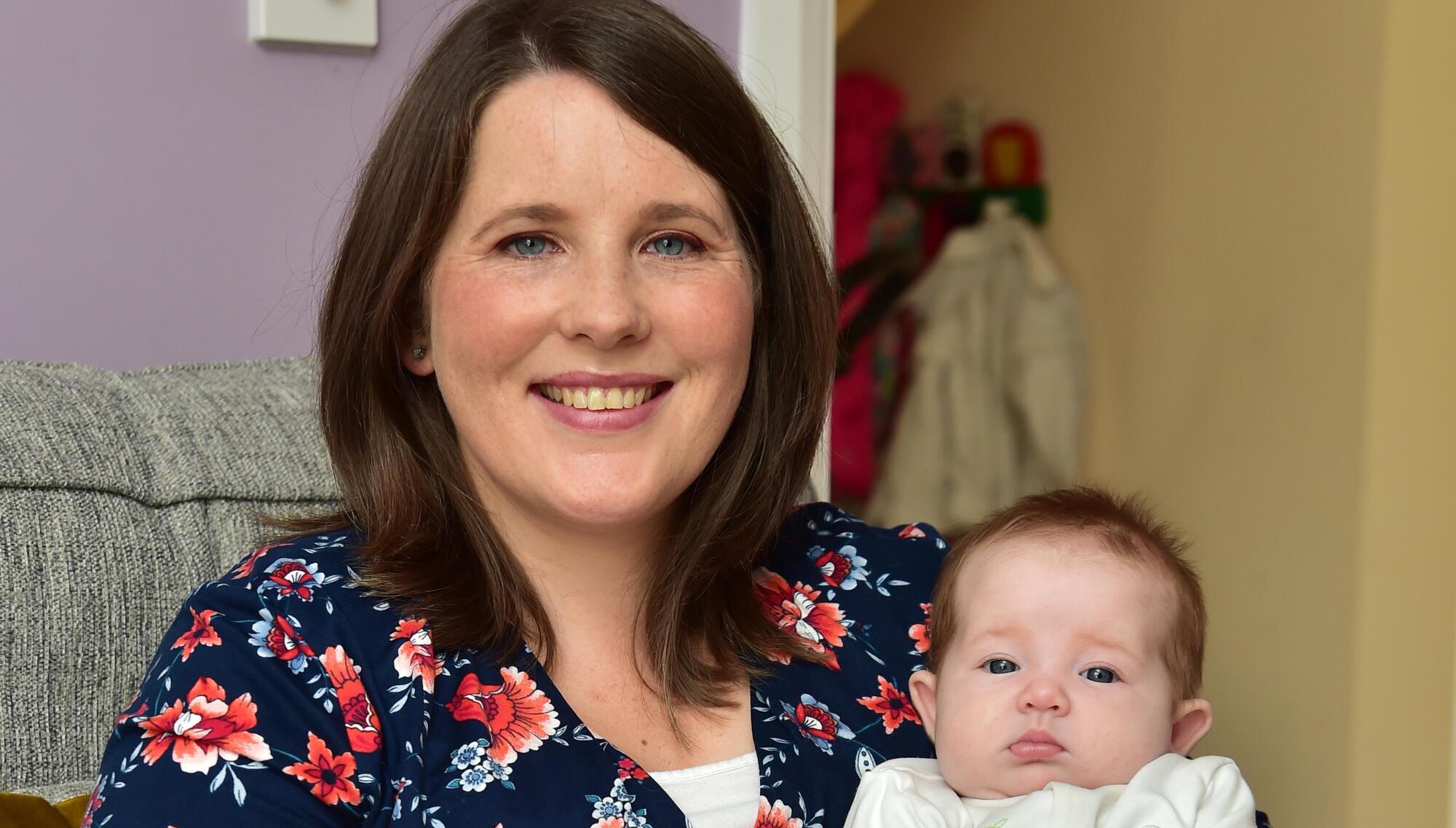
 Linda Kelly from Glanmire had a baby girl Amy-Kate in July in CUMH and her partner couldn't attend any scans. He was only there for two hours during and after the birth. Picture Dan Linehan

Linda Kelly from Glanmire had a baby girl Amy-Kate in July in CUMH and her partner couldn't attend any scans. He was only there for two hours during and after the birth. Picture Dan Linehan

A petition which has received more than 50,000 signatures is to be hand-delivered to Cork University Maternity Hospital (CUMH) on Thursday, in protest against the continued visiting restrictions in maternity services. 

Restrictions vary between hospital groups, with some hospitals allowing partners to attend scans and appointments before the birth, as well as time-staggered visits being permitted after the birth.

Others, including CUMH, do not allow women to have a companion for scans, and no visits are permitted after the birth, except in tragic circumstances.

Partners are allowed to be present during the birth and for an hour or two after.

Despite the issue being raised in the Dáil, no effort has been made to standardise the restrictions across the country, and a virtual protest will be held tomorrow at 1pm, with TDs Holly Cairns, Mary Lou McDonald, Alan Kelly, and the Lord Mayor of Dublin Hazel Chu attending.

The petition against these restrictions was started by Cork woman Caroline Cummings. 

Speaking to the Irish Examiner, one of the protest organisers, Linda Kelly from Glanmire, said the issue had been ongoing for nine months with no attempt to rectify it.

Ms Kelly gave birth in July and spoke of her harrowing experience to this paper previously.

"We are mindful of the current travel restrictions, and the petition was started by a Cork woman, so that is why we are delivering it to CUMH."

She said CUMH had some of the harshest restrictions. "It's unfair. They did reconsider their restrictions around pregnancy loss which is positive, but only after a loss becomes known. 

So, for a woman who is told she is having a miscarriage, she is on her own when she hears the news, but her partner can attend for subsequent appointments."

Ms Kelly noted that in other countries, women and their partners were advised to self-isolate for two weeks prior to the birth, and were tested for Covid. 

"Why can't women and their partners be swabbed? Why can't all hospitals and maternity units stagger visiting hours with masks, like the ones in Dublin? It's been nine months."

In response, the HSE said: "The obstetric clinical leads of each hospital group are committed to ensuring that the impact of Covid-19 on the pregnancy experience of every mother and father should be kept to an absolute minimum. 

Every restriction and deviation from normal practice is a cause of concern and regret. All maternity units now have a strict no visiting policy, the only exception to this is for partners to be present for delivery."

The HSE said partners could still be present but an individual unit may be left with "no alternative" to restrict this also.

"Such circumstances might include a high rate of illness in staff resulting in difficulty in maintaining rosters, a temporary shortage of PPE, and/or a high level of hospital activity. 

"If a decision to restrict partners' presence is made, this decision is taken at hospital level, by hospital management. Implicit in this is that any decision to restrict partners presence is reviewed frequently and reversed as soon as possible."

The HSE added that the midwifery and obstetrical community are mindful of the support provided by partners and wish to facilitate this.  

We are also aware of the challenges presented to each of the 19 maternity units, in the country, in maintaining staffing and, with high rates of staff illness, this may become increasingly difficult. 

"We have been fortunate in Ireland not to have had any maternal mortality as a result of Covid-19 and one factor that has led to this is a meticulous adherence to measures that will reduce footfall in maternity units."

The HSE said it acknowledged the anxieties and frustrations these restrictions have caused for women and their partners, "at what should be the happiest time in their lives.".

"However, hospitals must prioritise the safety of all our patients and staff, and do everything we can to ensure hospitals are protected from the ever-present threat of Covid-19."

More in this section

Lunchtime News

Newsletter

Get a lunch briefing straight to your inbox at noon daily. Also be the first to know with our occasional Breaking News emails.

Cookie Policy Privacy Policy Brand Safety FAQ Help Contact Us Terms and Conditions

© Examiner Echo Group Limited