Psychologists warn of low staff numbers and increasing stress levels
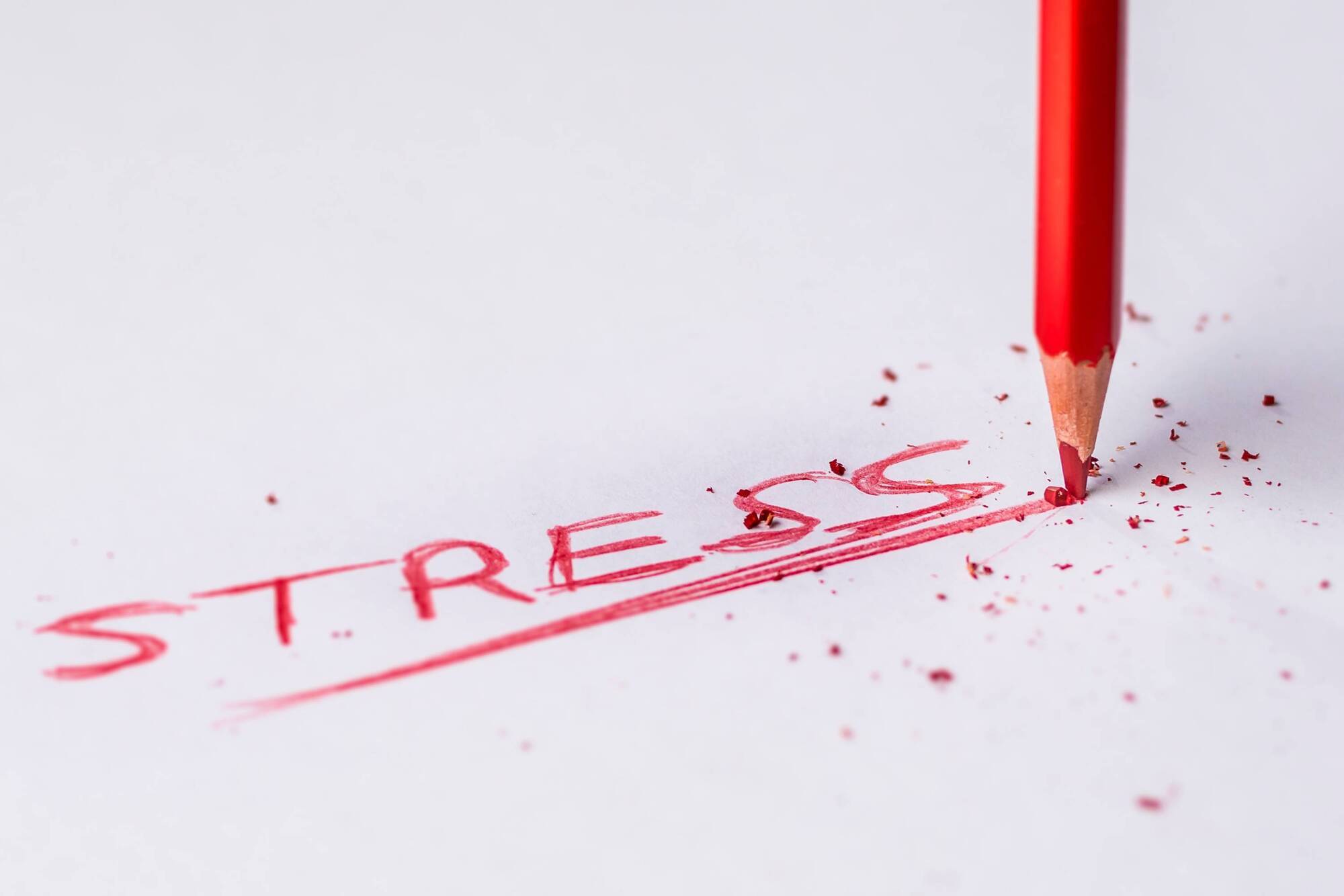
The majority of psychologists responding said there is a shortage of staff in the sector, and they reported stress and having to work longer hours too. Stock Picture: Pedro Figueras/Pexels
Vital health and social care settings are short of psychologists, according to a new survey of people working in the profession, with many believing there are not enough training places to meet demand.
The poll of psychologists, commissioned by the Psychological Society of Ireland (PSI) and carried out by Behaviour & Attitudes, found that 83% of respondents reported that there is a shortage of psychologists in Health and Social Care settings, and 74% said there was a shortage of psychologists in educational settings.
Almost two-thirds of those questioned believe that there are not enough training places to meet the demand.
The PSI said the shortage of psychologists "directly impacts on service users with long waiting lists, high demand but low availability, overstretched staff working in high-stress environments due to case load demands and treatment being briefer than it should be".
On the perceived lack of psychologists, the most common reasons given were a shortage of staff, long waiting lists for clients, and overstretched, stressed staff.
One respondent summed it up as "Fire fighting all the time, working from a low morale base as people are overworked. Clients on waiting lists or not being seen."
The pressure on psychologists was illustrated by the survey findings, with more than three-quarters of respondents saying their work takes an emotional toll on them, and more than half saying they are working longer hours than contracted.
While 90% of psychologists reported enjoying the work that they do, 60% said they feel worn out at the end of the day.
The poll also found that 29% said they often feel stressed at work and 54% said sometimes, while 30% said they often bring their work home.
Mark Smyth, PSI President, said: “We have a greater level of mental health awareness and encouragement for help seeking behaviour than at any other time that I can recall but the numbers of psychologists available continues to be chronically below what is required."
The PSI represents 3,000 members and the opinion poll got the views of 661 psychologists, 80% of whom were women.
The poll found that 78% said they found their work emotionally demanding while 29% agreed that they felt undervalued within their wider team.
Younger psychologists were most likely to report being worn out by their work, while older members were most likely to report having more flexibility with their working hours.
Those working for the HSE or for a university or college were most likely to report feeling undervalued by their team.
The survey also found that 14% said they have experienced discrimination in the workplace within the past 12 months, and of those, 55% said this was professional discrimination, a quarter discrimination relating to gender/gender identity, and almost a fifth was age discrimination.
Some referred to job panels, such as those used by the HSE, as "too slow and cumbersome".
More than half of those polled said they had moved to remote working due to Covid-19, while just over half also expressed satisfaction with the support they receive at work.
Mark Smyth said: “With the ongoing and future impact of Covid19 we need urgent investment in psychological services at levels and we need to support our psychologists more. Psychologists will be central to the successful management of the impact of Covid19. Funding, barriers to recruitment, CPD, all requested of Government in pre-budget submissions are long overdue.”
The poll also found low levels of satisfaction with the level of research opportunities and access to CPD funding, while just one-third were satisfied with their career progression. More than half said they had encountered training/education barriers in their career path to date. In answers to what was an open-ended question, 20% said the barriers were simply a lack of available jobs, while the same percentage cited access and the cost of education, including 39% of educational psychologists. Other causes referred to by respondents included a lack of respect and financial obstacles.
CONNECT WITH US TODAY



Be the first to know the latest news and updates