Hygiene fears as young GAA players keep gumshields in socks
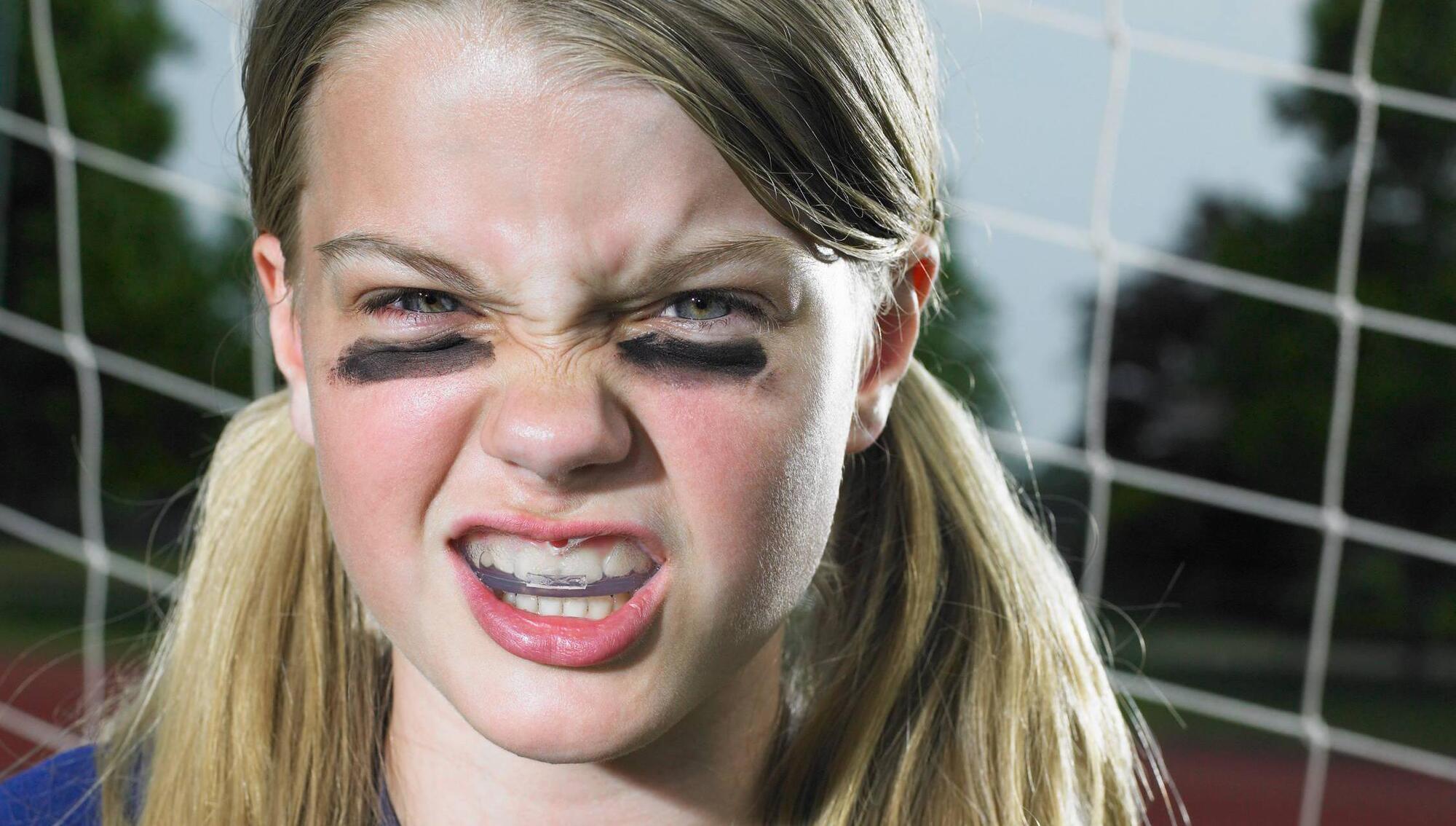
However, it said "knowledge of both parents and children regarding mouthguard hygiene was poor". File picture: iStock
Many parents might worry about their child losing a tooth while playing Gaelic games, but a new study shows the quality and fit of the majority of gumshields worn by children is poor and there are also hygiene issues, including some players keeping their mouthguard in their socks.
The research, carried out by Elaine Philippa Shore of the School of Dental Sciences in Trinity College Dublin, looked to investigate compliance with GAA mouthguard rules among children playing Gaelic football and to establish the types and quality of mouthguards being worn.
The study said up to 40% of dental injuries are sports-related and preventable through the use of mouthguards, with the GAA introducing rules requiring the use of 'properly fitted' mouthguards by players of all levels in 2014.
It used a sample of 121 boys and girls aged nine to 16-years-old and their parents, all recruited from four Gaelic football teams from across Dublin City.
While almost 100% of those involved in the study wore mouthguards for matches, just 80% did when training, with the study finding that older children are less likely to comply with mouthguard rules for training.
Almost three-quarters of children in the study reported that they liked their mouthguard, with few reporting any difficulties with wear such as breathing difficulties or it impairing their ability to speak.
However, it said "knowledge of both parents and children regarding mouthguard hygiene was poor".
While almost two-thirds of parents and 70% of children reported that the mouthguard was stored in a specific box when not in use, almost 23% of parents said the mouthguard was kept loose in the gear bag, with 17.5% of children saying the same.
However, "a similar proportion [of children] reported keeping their mouthguard in 'other' locations such as gloves or socks in between uses".
Parents were willing to pay a median price of €35 for a mouthguard, with some parents paying as much as €50 for a custom mouthguard.
Mouth-formed mouthguards were the most popular type found among children who participated in the study and just four children had custom mouthguards.
However, most mouthguards (over 80%) were found to have inadequate retention and labial extension — or not adequately covering the surface area of the tooth.
According to the study: "The quality and fit of the majority of mouthguards worn by children in this study was poor.
"There is a need for dentists to liaise with GAA clubs, players, and parents to educate them on what constitutes a properly fitted mouthguard and how to care for these devices."
- www.tara.tcd.ie/handle/2262/93992

CONNECT WITH US TODAY



Be the first to know the latest news and updates