'Embarrassing' primary class sizes hinder social distancing compliance, says OECD
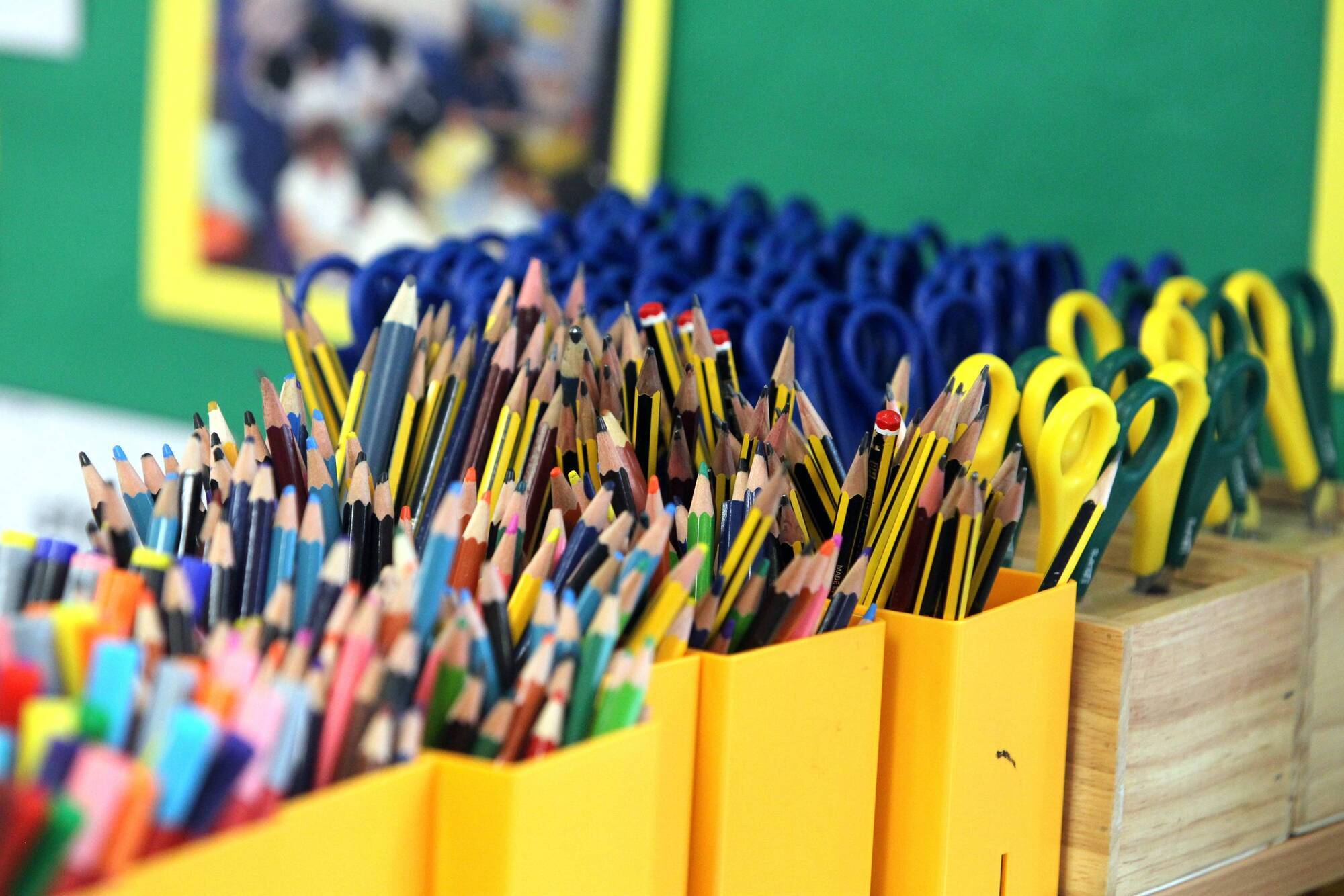
Almost one in five primary schoolchildren here are in classes of 30 students or more, according to John Boyle, the general secretary of the Irish National Teachers' Organisation (INTO). File image
Ireland's supersized primary school class sizes remain a "national embarrassment" as a new report by the OECD finds that countries with smaller classes may find it easier to comply with social distancing.
This year’s ‘Education at a Glance’ by the OECD points to class sizes as a “critical parameter” when it comes to reopening schools and complying with new Covid regulations.
The number of students per class and the physical space available are important factors in maintaining #COVID19 social distancing in the classroom 👧↔️👦
— OECD Education (@OECDEduSkills) September 8, 2020
See how your country compares in this year’s Education at a Glance 👉 https://t.co/S7UUskWEyi#OECDEAG #LessonsForEducation pic.twitter.com/NEBfU579ej
Ireland failed to submit data on class sizes for this year’s report. However, figures published last year put the average class size in primary schools here at 25 students, compared with an EU average of 20.
Almost one in five primary schoolchildren here are in classes of 30 students or more, according to John Boyle, the general secretary of the Irish National Teachers' Organisation (INTO).
"This hindered our ability to re-open and may very well be the reason our schools cannot remain fully open," he said. "We simply have to get our class sizes under control, with too many pupils learning in cramped classrooms of more than 30 pupils."
With social distancing one of the most effective measures to prevent the spread of Covid-19, in schools this means reducing contact between children and maintaining a safe distance between students and staff.
🚫🏫 Each week of #coronavirus school closure represents on average:
— OECD Education (@OECDEduSkills) September 8, 2020
22 hours of instruction time at primary level
25 hours at secondary level
More on instruction time in Education at a Glance 2020 👉 https://t.co/S7UUskF39I#OECDEAG #LessonsForEducation pic.twitter.com/tU8Xv2lLA6
“Countries with smaller class sizes may find it easier to comply with new restrictions on social distancing provided they have the space to accommodate the number of students safely,” the OECD report says.
Separately, this year’s ‘Education at a Glance’ shows low levels of investment here in education compared to international standards.
Investment in second-level education is also lower than international standards, with 1.1% of GDP invested here compared to the OECD and EU average of 1.9%. In 2017, Ireland invested 3.4% of GDP in primary, second and third-level education, compared to the OECD average of 4.9% and the EU average of 4.5%
🆕 Just released: Education at a Glance 2020
— OECD Education (@OECDEduSkills) September 8, 2020
The authoritative source of information on the state of education around the world 🧑🏫🏫🧑🎓
Read the full report 👉 https://t.co/S7UUskF39I#OECDEAG pic.twitter.com/rhhR8xQ38Y
Under-investment in schools makes them extremely vulnerable to crises, according to Ann Piggott, president of the Association of Secondary Teachers Ireland (ASTI). "Large classes, insufficient staffing, and inadequate accommodation and equipment are challenging at any time. In the context of a pandemic, these deficits make operational measures such as social distancing and remote learning highly problematic.”
At third level, the students-teaching staff ratio of 20:1 remains much higher than the European average of 14:1, and the OECD average of 15:1. "This is a clear indictment of the ongoing political failure, or refusal, to address the sector’s funding crisis," said Martin Marjoram, President of the Teachers' Union of Ireland (TUI).
Starting salaries for full-time teachers at second level are broadly in line with the OECD and European averages, he added. "It is important to note that the majority of second-level teachers in Ireland commence employment on a contract of less than full hours."


CONNECT WITH US TODAY



Be the first to know the latest news and updates