No fall in house prices, despite economic effects of the pandemic - Davy
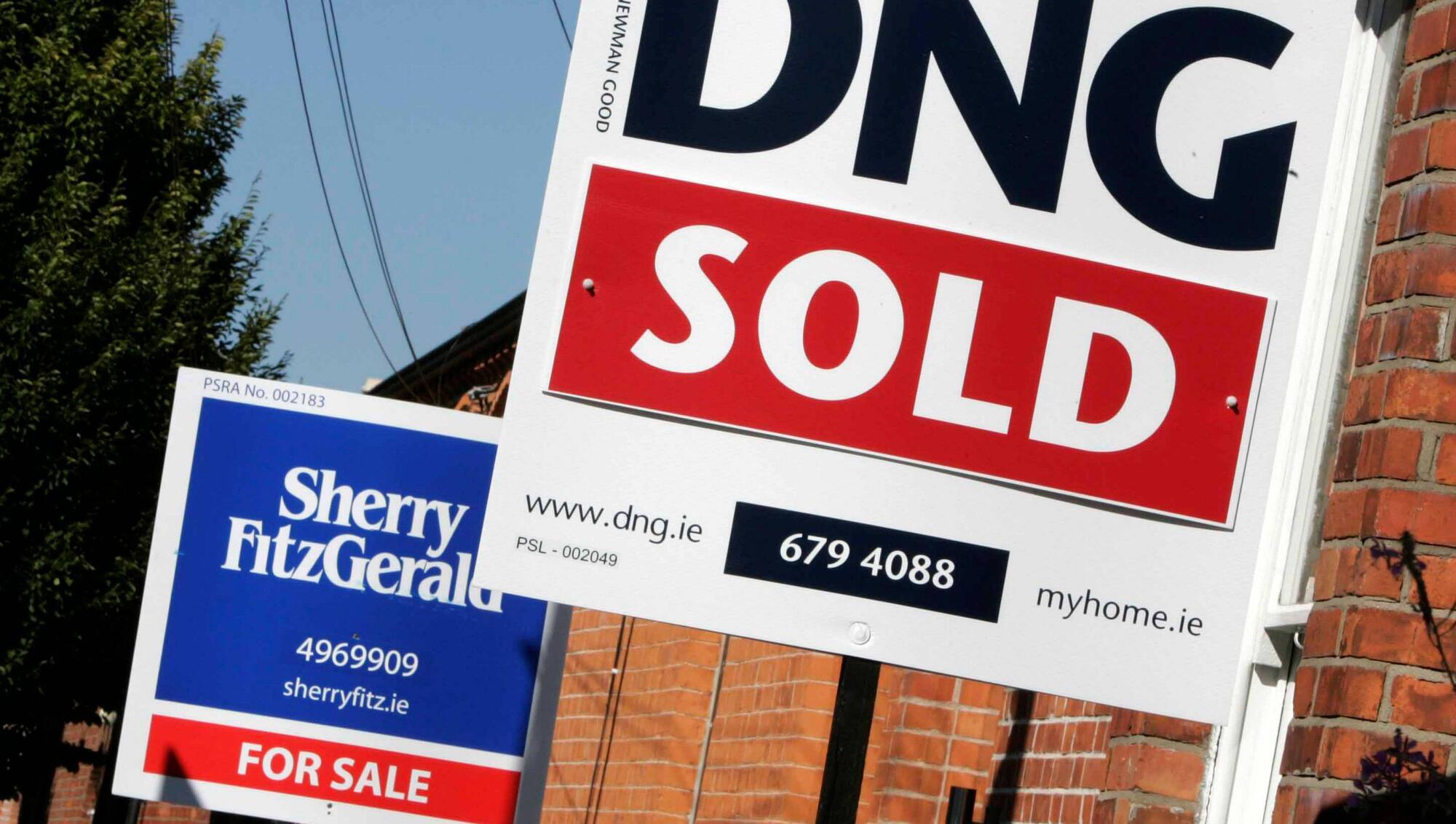
House asking prices have bounced back despite the Covid-19 pandemic, according to new analysis from MyHome.ie and Davy.
Asking price inflation increased by 1.2% nationally in August, compared to quarter two of 2019.
Dublin experienced the least inflation, with the prices only rising by 0.3% annually.
However, the rest of the country saw an overall rise of 1.5%.
The increase was even more pronounced when house prices during lockdown were compared to house prices for this month, with a 4.3% increase being observed.
House prices fell during the lockdown due to the fact that real estate and property services were halted, with very few viewings occurring.
As it stands, the mix-adjusted asking price for new sales nationally is €280,000, while the average price in Dublin is €383,000.
The average house price in Ireland, when Dublin is excluded, is €234,000.
It is believed this inflation is due to a combination of high demand from people who received mortgage approval before the pandemic, as well as the shortage of stock, which was exacerbated by the shutting down of building sites during the lockdown.
"The MyHome data shows pricing has held up during the summer months," said Conall Mac Coille, chief economist at Davy.
Mr Mac Coille added that the quarter two figures, from April to June, were weak because that was when the lockdown was on. "There were very few houses put on the market, and their prices were down 3%."
He added that since the market has reopened, it has performed far better than expected. "It has bounced back to where it was before the virus.
"Normally with a recession you see transactional prices settling below the asking price, because people are slow to adjust their prices, but we haven't seen any evidence of that either.
"This [outlook] is far better than some of the warnings that were given out, that house prices may fall by 10%."
Mr Mac Coille believes that prices will be broadly flat in 2020, or see marginal declines, but that Covid-19 could have a longer-term impact of on the housing market, as there was still so much uncertainty surrounding the virus.
The increase in asking prices was likely a combination of people who already have mortgage approval moving to secure properties, and a shortage of stock, according to Angela Keegan, managing director of MyHome.ie.
"One of the many negative effects of Covid-19 has been the decrease in construction output, which has had significant ramifications for the property market," she said.
Meanwhile, the Irish Home Builders Association has said that, based on population projections for the State, up to 36,000 new homes per year need to be built to meet housing demand over the next 21 years.
The report also revealed that the average deposit paid by first-time buyers is 14% of the property price, with many getting support from parents.
CONNECT WITH US TODAY



Be the first to know the latest news and updates