Poor school attendance an issue among teens in drug treatment
Poor school attendance an issue among teens in drug treatment
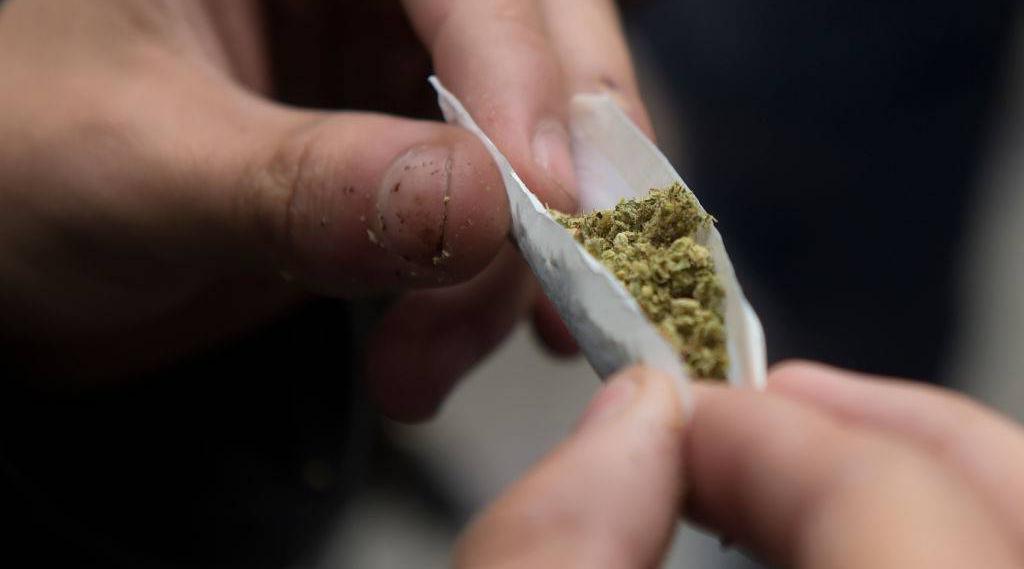
Cannabis was the main drug used by young people attending the service. File picture. 

Social workers have expressed concern about poor school attendance levels among teenagers accessing drug and alcohol addiction treatment services in west Dublin.

A report by the HSE’s Adolescent Addiction Service found that the number of young people availing of its treatment who were out of education or training was comparatively low at around 6%.

However, it said poor school attendance was “an issue that requires attention.” The facility, which is based in Cherry Orchard Hospital, provides drug and alcohol addiction treatment services to young people from west Dublin.

The service provided assistance to 49 young people aged between 13 and 18 during 2019, compared to the previous year’s figure of 43.

The average age of those attending last year was 15.3 years.

Males accounted for nine-out-of-10 receiving treatment. Figures show 12% were non-Irish nationals.

As in previous years, the most number of referrals were from young people from Clondalkin – almost a third of all referrals in 2019 – followed by Lucan, Ballyfermot, Palmerstown and Inchicore.

All those attending the service were known to a number of agencies, while 39% had availed of its treatment programmes in previous years.

The HSE said the extent to which substance misuse was a feature within the teenagers’ families was significantly lower at 37%, compared to 52% in 2018.

Rise in "eatables", cannabis and parental separation last year

Similarly, the incidence of parental separation was also lower at 47% in 2019 compared to 56% the previous year.

Cannabis remains the main substance used by those attending addiction treatment services with 96% taking the drug, while two-thirds reported misuse of alcohol.

Cocaine was used by 29%, while 22% were taking amphetamines – lower rates than in 2018.

However, the prevalence of use of benzodiazepines increased from 12% in 2018 to 28% last year, while another new trend was “deliverable eatables” such as cookies and muffins containing unknown substances which were taken by 8% of young people.

The HSE said solvents or head shop-type products did not feature among young people’s substance use last year.

“Other issues presented related to absconding, indebtedness and holding, distributing or dealing drugs,” the report stated.

The HSE’s Adolescent Addiction Service said it had submitted child protection notifications and held inter-agency meetings in relation to 10 young people last year – up from six in 2018.

The report observed: “As in previous years, most young people had established patterns of substance use prior to referral and as a consequence some struggle to maintain drug-free status but most achieve stability and several remain abstinent.” 

It claimed the challenge within communities was for parents and other adults to identify young people at risk at an early stage and to raise concerns about their welfare.

Earlier this year it emerged that the number of children under the age of 18 receiving treatment for alcohol addiction had fallen since the last recession but that the number of young people addicted to cannabis had doubled in roughly the same period.

More in this section

Lunchtime News

Newsletter

Keep up with stories of the day with our lunchtime news wrap and important breaking news alerts.

Cookie Policy Privacy Policy Brand Safety FAQ Help Contact Us Terms and Conditions

© Examiner Echo Group Limited