Migrant families given access to back-to-school Covid-19 advice in 30 languages
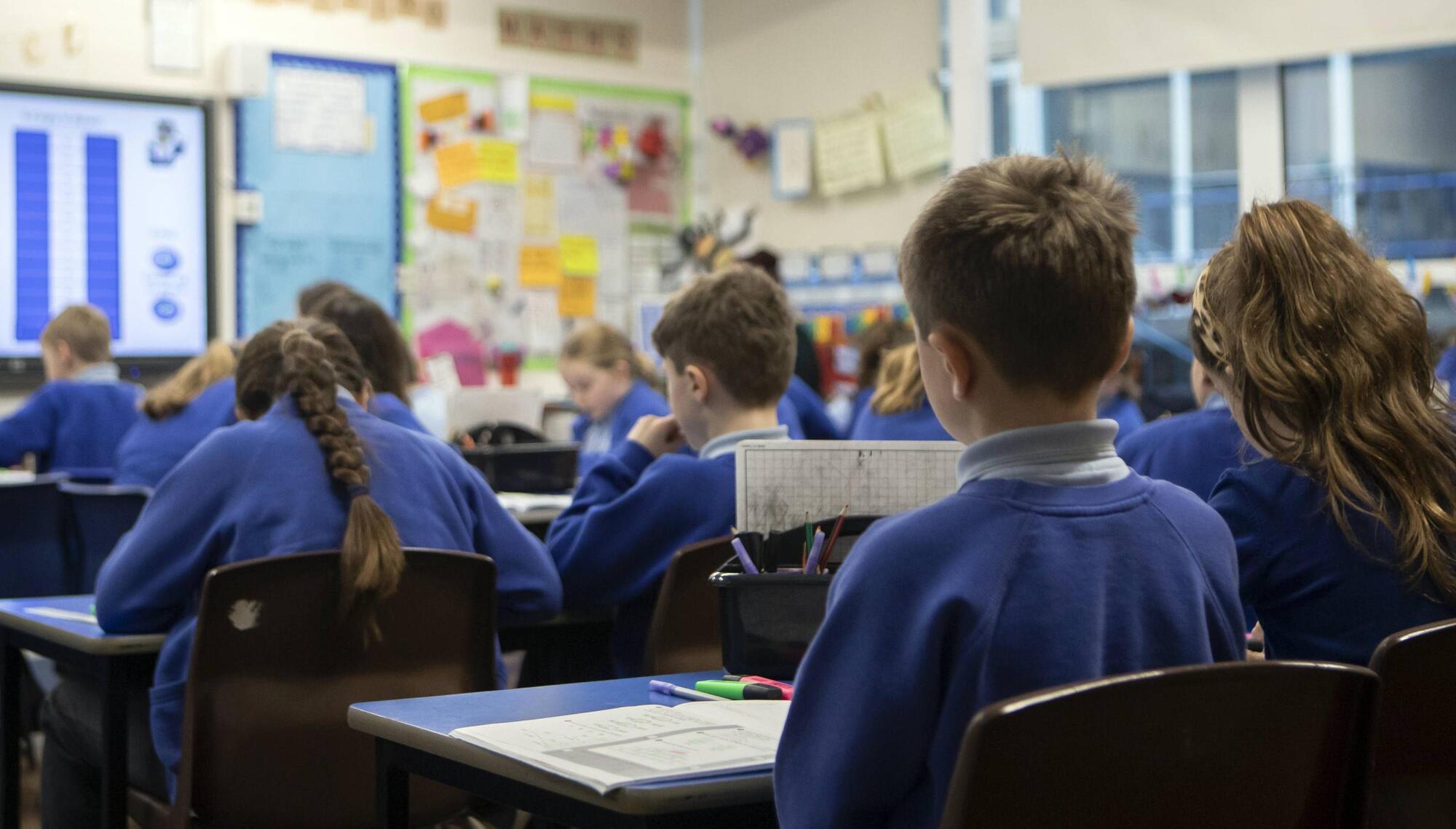
The messages explain to parents when not to send their children to school and they include guidelines for school transportation at primary and secondary level.File picture
A video message service has been launched for migrant families offering back-to-school public health advice in some 30 languages including Swahili, Polish, Romanian, Yoruba and Cantonese.
The Covid-19 World Service initiative is a collaboration between the Together Ireland Community Integration project and Nasc, the migrant and refugee centre, who have produced about 130 approved public health video messages for migrants since the peak of lockdown in May.
It is estimated that they reached 30,000 migrants here.
According to the 2016 Census, almost 90,000 migrants said they could not speak English at all or if they could, it was at a low level.
The video scripts were prepared following consultation with the Department of Education and the Irish College for General Practitioners and the messages were recorded by non-Irish teaching staff working in Ireland’s education system.
They explain to parents when not to send their children to school, they include guidelines for school transportation at primary and secondary level and how younger children will be divided into pods in the classroom.
The languages covered include Albanian, Arabic, Bengali, Bulgarian, Catalan, Cantonese, Croatian, Czech, English, Esperanto, French, Georgian, Greek, Hindi, Hungarian, Irish, Italian, Kurdish Sorani, Latvian, Lingala, Lithuanian, Macedonian, Pashto, Polish, Portuguese, Romanian, Russian, Serbian, Slovak, Spanish, Swahili, Ukrainian, Urdu, Yoruba, and Zulu.
Former Kerry GAA star Tomás Ó Sé, a primary school teacher in Fermoy, Co Cork, presents the video message in Irish.

Graham Clifford, the creator and coordinator of the Covid-19 World Service, said it’s so important that parents, for whom English is not their first language, understand fully the new rules.
“While public health information on Covid-19 in Ireland has been strong in the English language, we believe more can be done to ensure it’s reaching everyone and so that’s why we started our service,” he said.
“Many who struggle with English are confused and worried before schools reopen because of Covid-19.
“We hope these video messages will help make it clearer to them what the guidelines are for returning to school and what they can do to play their part.
Mr Clifford and his team plan to work with the HSE to make more video messages.
The videos are available to view here.

CONNECT WITH US TODAY



Be the first to know the latest news and updates